 murido
Living With Unanswered Questions After a Death

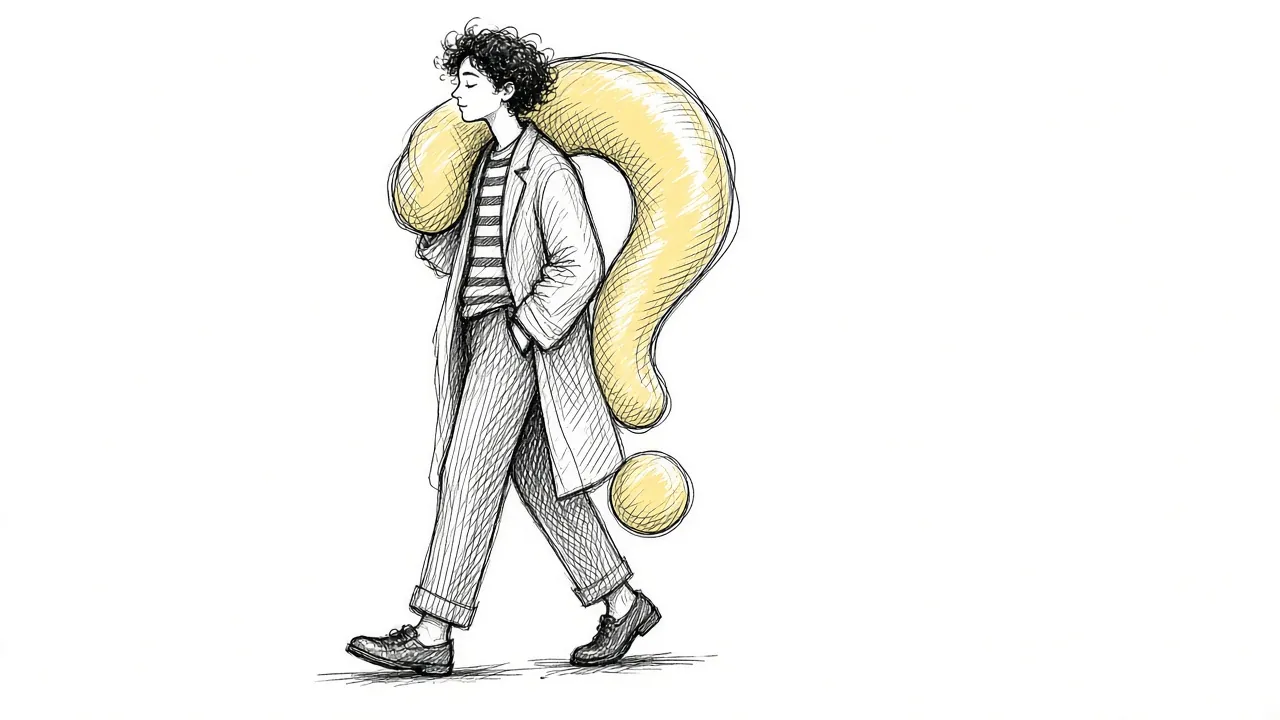
Why did this happen? Could I have stopped it? What were they thinking at the end? Did they know how much I loved them? Why them, and why now?
After a death, many people are left with questions that seem to have no answers. Some questions are about how the person died. Some are about what they felt or wanted. Some are about meaning, fairness, or what happens next. These unanswered questions can become a heavy part of grief, keeping you awake at night and pulling you back into the past.
This guide explores why unanswered questions are so hard to live with, how they can affect grief, and gentle ways to carry them when answers may never come.
Why unanswered questions hurt so much
Humans are wired to seek understanding. When something painful happens, our minds naturally try to make sense of it. Understanding gives us a sense of control and safety. If we know why something happened, we might prevent it from happening again.
When a death leaves questions unanswered, the mind may keep searching, sometimes for years. This searching can feel urgent and exhausting.
Unanswered questions can be especially painful when:
- The death was sudden or unexpected.
- The cause of death is unclear.
- The person died by suicide or overdose.
- There was no chance to say goodbye.
- The relationship had unresolved conflict.
- Medical decisions or care are in question.
Common kinds of unanswered questions
Questions about how they died
You may wonder exactly what happened, whether they suffered, or whether something could have been done differently. Sometimes medical records, autopsy reports, or conversations with doctors can provide partial answers. Sometimes they cannot.
Questions about their inner world
You may wonder what they were feeling, thinking, or wanting in their final days. Did they know they were dying? Were they afraid? Did they forgive you? These questions often have no clear answers.
Questions about your role
Could I have done something? Should I have noticed? Was it my fault? These questions often carry guilt. Our guide to guilt after a death explores this more deeply.
Questions about meaning
Why do bad things happen? What is the point? Where are they now? These questions touch on faith, purpose, and how we understand the world. Our guide to grief and meaning explores these.
Some questions are not puzzles to solve. They are wounds that need tending.
When searching helps, and when it hurts
Seeking answers can be helpful at first. Learning more about what happened can bring some relief and help you understand the loss. It may be worth:
- Asking doctors or nurses to explain what happened.
- Requesting medical records or reports.
- Talking with others who were present.
- Reading about the illness or circumstances involved.
But searching can become harmful when it turns into a loop. You may notice:
- Going over the same details again and again.
- Feeling more distressed after each search.
- Being unable to focus on anything else.
- Losing sleep because of racing questions.
This kind of repetitive thinking is called rumination. It can keep grief stuck and intensify pain.
Shifting from answers to living
When questions have no answers, it can help to gently shift your focus. Instead of asking "Why did this happen?" you might begin to ask "How do I want to live with this?"
This does not mean giving up on understanding. It means recognizing that some answers may never come, and that you can still find a way forward.
Accepting uncertainty
Accepting uncertainty is not the same as being okay with it. It means acknowledging, "I may never know this," and letting that be true without fighting it every day. This kind of acceptance can bring a quiet relief.
Making room for the question
Rather than trying to push the question away, you might let it sit alongside you. You could say, "This question is still here. I do not have an answer. I can carry it and still live my life."
Noticing the feeling underneath
Often, unanswered questions are tied to deeper feelings like guilt, fear, longing, or anger. Noticing and naming these feelings can make the questions feel less overwhelming.
Gentle practices for carrying questions
Write the questions down
Sometimes questions feel bigger when they swirl in your head. Writing them down can contain them. You might keep a notebook of questions, adding to it when new ones arise.
Write possible answers, then let them go
Some people find it helpful to write what they imagine the person might say in response. "If you could answer, what would you tell me?" This is not about finding the truth but about giving voice to your inner wisdom and love.
Set aside question time
If questions consume your day, try setting aside a specific time to think about them. When questions arise outside that time, gently remind yourself, "I will think about this later."
Talk to someone
Sharing your questions with a trusted friend, counselor, or support group can bring relief. Others may not have answers either, but being heard can make the questions feel less isolating.
Practice mindfulness
Mindfulness can help you notice when your mind is pulling you into the past and gently return to the present. Our guide to mindful grieving offers simple ways to start.
Questions after a sudden or traumatic death
When a death is sudden or traumatic, unanswered questions can be especially intense. There may be investigations, legal processes, or medical reviews that take a long time. You may feel stuck waiting for answers that never fully arrive.
In these situations, it can help to get support from people who understand. Support groups for specific kinds of loss, like suicide loss or accident loss, can be particularly helpful. Our guide to grief after suicide loss may help if that is your experience.
When to seek extra support
If unanswered questions are causing intense distress, keeping you from sleeping or functioning, or leading to thoughts of self harm, please reach out for support. A grief counselor can help you work with these questions in a way that feels safer and more manageable.
When others have different answers
Sometimes family members land on very different explanations for a death. One person blames the doctors. Another blames the person who died. Another believes it was meant to be. These differences can cause painful conflict, especially when everyone is already hurting.
It may help to remember that each person is trying to make the loss bearable in their own way. Their answer may be more about what they can live with than about what is true. You do not have to agree, and you do not have to convince them.
You might say, "I see it differently, and I know we both loved them." That sentence leaves room for everyone's grief without requiring a single shared answer. Sometimes the family bond matters more than settling the question.
Learning to live beside the unknown
Unanswered questions may never fully disappear. But many people find that, over time, the questions loosen their grip. They become quieter. They no longer demand an answer every day.
You may never know exactly why. But you know that you loved them. You know they mattered. And you can carry those truths alongside the questions, letting love take up more room than the unknown.
This article is for general information and support. It is not medical or mental health advice. If grief has become unbearable or you are thinking about harming yourself, call or text 988 right now.
Related reading

Acceptance and Remembrance: Two Ideas That Shape Healthy Grief
How acceptance and remembrance work together to help people carry grief while staying connected to the person they lost.

Coping With Grief: A Practical Guide
Practical, everyday ways to cope with grief, from the first days through the months and years that follow.

Self-Compassion in Grief
Grieving people are often harsh with themselves. How self-compassion can ease guilt and help you carry loss.