 murido
Grief After Suicide Loss

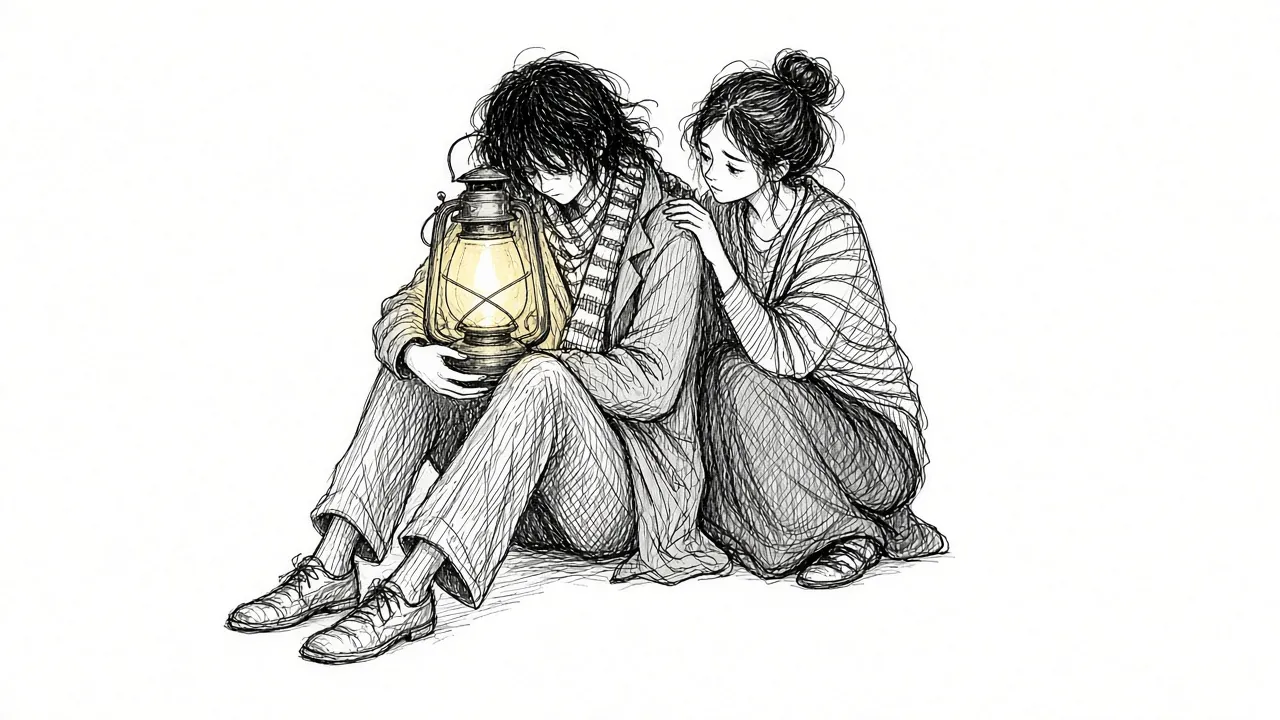
Losing someone to suicide is a loss like no other. Along with the grief, there are often waves of shock, confusion, anger, guilt, and questions that may never be answered. People bereaved by suicide sometimes describe feeling as though the ground has opened beneath them.
If you have lost someone this way, please know that you are not alone, and that what you are feeling makes sense. This guide is a gentle starting point. It covers some of what you might be experiencing, what can help, and where to find support. If you are having thoughts of suicide yourself, please reach out right now. In the United States you can call or text 988 to reach the Suicide and Crisis Lifeline.
Why this grief is different
All grief is painful. But suicide loss often carries extra layers that make it especially hard.
- Shock. The death is often sudden and unexpected, even if the person had struggled for a long time.
- Unanswered questions. Why did they do it? Why did they not tell me? What did I miss?
- Guilt. Many survivors feel they should have seen it coming or done more.
- Anger. Toward the person, toward yourself, toward others, or toward a system that did not help.
- Stigma. People may avoid talking about the cause of death, which can make you feel isolated.
- Trauma. If you found your loved one or saw the aftermath, you may have intrusive images.
Any of these can be present, and they often change from day to day.
The questions that will not stop
The question "why" may be the loudest part of your grief. It is natural to search for answers, to go back over conversations, messages, and moments. Many survivors spend months piecing together what happened.
Sometimes there are partial answers. Often there are none that feel complete. Suicide usually comes from a mix of pain, illness, and circumstance that even the person themselves may not have fully understood. It is rarely the result of one moment, one conversation, or one person.
Our guide to living with unanswered questions explores ways to carry questions that may never fully resolve.
You did not cause their pain, and you could not have carried it for them, no matter how much you loved them.
Guilt and responsibility
Almost everyone bereaved by suicide feels some level of guilt. You may replay the last time you saw them, the call you missed, the sign you did not recognize. These thoughts can feel unbearable.
It may help to remember a few things:
- People who are struggling often hide how much they are hurting, sometimes even from those closest to them.
- Warning signs are often clearer looking back than they were in the moment.
- Even trained professionals cannot always predict or prevent a suicide.
- Your loved one's death was not a judgment of your love or your worth.
If guilt feels overwhelming, our guide to guilt after a death offers gentle ways to work with it.
Anger is allowed
Many survivors feel angry at the person who died. You might feel abandoned, betrayed, or furious that they left you with this pain. Then you might feel ashamed for being angry.
Anger is a normal part of grief after suicide. It does not cancel your love. You can be angry and heartbroken at the same time. Letting yourself feel the anger, safely, can be part of healing.
Intrusive images and trauma
If you found your loved one, were there when it happened, or saw the scene afterward, you may have images that replay in your mind. These can come out of nowhere, disturb your sleep, and make it hard to focus.
This is a trauma response, and it deserves care. Some things that may help:
- Grounding yourself in the present by naming what you can see, hear, and feel.
- Not forcing yourself to push the images away, which can make them return more often.
- Talking with a therapist trained in trauma.
Our guide to intrusive memories after a death explains why pushing memories away can backfire, and what to try instead.
Talking about how they died
One of the hardest choices survivors face is how to talk about the cause of death. Some people want to be open, to fight stigma and honor the truth. Others feel more private.
There is no right answer. You might choose different levels of openness with different people. A few phrases some people use:
- "They died by suicide."
- "They lost their battle with depression."
- "I am not ready to talk about how they died, but I would love to talk about who they were."
Try to avoid the phrase "committed suicide," which can carry a sense of crime or blame. Many families prefer "died by suicide."
Supporting children and teens
If children were close to the person who died, they will need honest, age appropriate information. Children often sense when something is being hidden, and secrecy can create confusion and fear. A counselor who works with grieving children can help you find the right words.
Teens bereaved by suicide may be at higher risk themselves. Watch for changes in mood, sleep, or behavior, and do not hesitate to ask them directly how they are doing, including whether they have had thoughts of hurting themselves.
Finding others who understand
Many survivors say the most helpful thing was meeting other people who had lived through the same kind of loss. Suicide loss support groups exist in many communities and online. Being in a room with people who do not flinch when you say the word "suicide" can be a huge relief.
You can learn more about the different types of support in our guide to grief support options.
Taking care of yourself
Grief after suicide can be exhausting. Try to protect a few basics:
- Eat something, even small amounts, at regular times.
- Try to keep a rough sleep routine.
- Step outside for a few minutes each day if you can.
- Limit alcohol, which can deepen low moods.
- Let people help with practical tasks.
These are small things, but they can steady you when everything else feels out of control.
Watching your own safety
People bereaved by suicide can experience thoughts of suicide themselves. This is not rare, and it is not something to be ashamed of. If you notice thoughts of not wanting to live, or of joining the person who died, please reach out right away. Call or text 988 in the US, contact your doctor, or tell someone you trust.
Remembering their whole life
Over time, many survivors find it possible to remember the person as more than their death. They were a whole person, with humor, habits, and moments of joy. Their death is part of their story, but it is not the whole story.
Some families create memory books, hold remembrance events, or share stories about the person's life. These can help shift the focus, gently, from how they died to how they lived.
Grief that moves at its own pace
There is no timeline for this kind of grief. Some days will feel almost manageable. Others will flatten you. Both are part of the process.
You are carrying something heavy, and it is okay to need help carrying it. With time and support, many survivors find that the pain softens, the questions quiet down a little, and love for the person who died takes up more room than the way they died.
This article is for general information and support. It is not medical or mental health advice. If grief has become unbearable or you are thinking about harming yourself, call or text 988 right now.
Related reading
When Grief Shakes Your Faith
Loss can deepen faith or shatter it. How spiritual struggle shows up in grief and ways to navigate it.
Losing a Partner: Grief After the Death of a Spouse
Losing a husband, wife, or partner changes every part of life. A guide to widowhood, identity, loneliness, and loving again.

Afraid You're Forgetting Them? Grief and Fading Memories
Many grieving people fear losing the sound of a voice or details of a face. Why memories fade and how to preserve them.