 murido
Grief and Meaning: When Loss Makes You Question Everything

After a death, many people find that the questions they used to set aside become impossible to ignore. Why did this happen? What is the point of anything? Who am I now that they are gone? The loss does not only take a person. It can shake the whole frame that held your life together.
If you are asking these questions, you are not broken, and you are not overthinking. Searching for meaning is one of the most human responses to grief. This guide looks at why loss stirs up such big questions, what meaning can look like after a death, and how to live with questions that may never fully resolve.
Why grief makes you question everything
Most of us carry quiet assumptions about how the world works. Good things happen to good people. Parents die before their children. If you take care of yourself, you will be okay. These beliefs are rarely spoken, but they shape how safe and predictable life feels.
A death can break those assumptions overnight. When the world stops making sense, the mind naturally tries to rebuild it. That rebuilding can look like questioning faith, values, relationships, and plans. It can feel like being unmoored.
This is not a detour from grieving. For many people, it is the work of grieving itself.
Meaning is not the same as a reason
One of the most painful things people hear after a loss is that "everything happens for a reason." For some, that brings comfort. For many others, it feels like an insult. There may be no reason good enough to justify losing the person you loved.
It can help to separate two ideas:
- A reason explains why the death happened. Sometimes there is a medical answer. Often there is no answer that satisfies.
- Meaning is what you make of your life after the death. It does not justify the loss. It grows alongside it.
You do not have to believe the death was meaningful in order to find meaning in how you carry their love forward. Those are very different things.
Finding meaning does not mean deciding the loss was worth it. It means deciding what your love will do next.
Common questions that surface
People who are grieving often find themselves turning over the same few questions. You might recognize some of these.
Who am I without them?
If you were someone's spouse, caregiver, child, or best friend, part of your identity was built around that role. When they die, that part of you can feel empty. It is common to feel like a stranger to yourself for a while.
What matters now?
Things that used to feel urgent, like a promotion or a tidy house, may suddenly seem trivial. Other things, like time with people you love, may feel much more important. Some people make big changes. Others simply notice their priorities shifting quietly.
Was it my fault, or could it have been different?
The search for meaning often loops back to the death itself. If this is where your mind keeps going, our guide to living with unanswered questions may help.
What do I believe now?
Faith may deepen, crack, or change shape entirely. There is more on this in when grief shakes your faith.
Ways people find meaning after loss
There is no single path to meaning, and no requirement to find it on any schedule. But many grieving people describe some of the following.
- Carrying their values forward. If they were generous, you might find yourself being more generous. If they loved the outdoors, you might start walking the trails they loved.
- Telling their story. Writing down memories, sharing stories with family, or creating a memory book can keep their presence in your life.
- Deepening relationships. Loss can make people more honest and more tender with the people still here.
- Helping others. Some people volunteer, raise money for a cause, or support others going through a similar loss.
- Living more deliberately. Some people say grief taught them not to postpone the things that matter.
- Simply continuing. Sometimes the meaning is just getting up and making breakfast. Keeping going can itself be an act of love.
None of these require a grand gesture. Meaning often shows up in small, repeated acts.
The danger of rushing it
Well meaning friends may encourage you to "find the silver lining" or "turn this into something positive." When this comes too soon, it can feel like pressure to skip the pain. That pressure can push grief underground rather than help it move.
You are allowed to sit in the questions without answers for a long time. Meaning tends to grow from honest grieving, not from skipping it. If you are being pushed to be grateful or inspired before you are ready, it is okay to say, "I am not there yet."
Meaning and the bond you still have
Many people assume that finding meaning means letting go. In fact, research and lived experience both suggest that many grieving people keep a relationship with the person who died. They talk to them, think about what they would say, and let them shape decisions. This is often called continuing bonds.
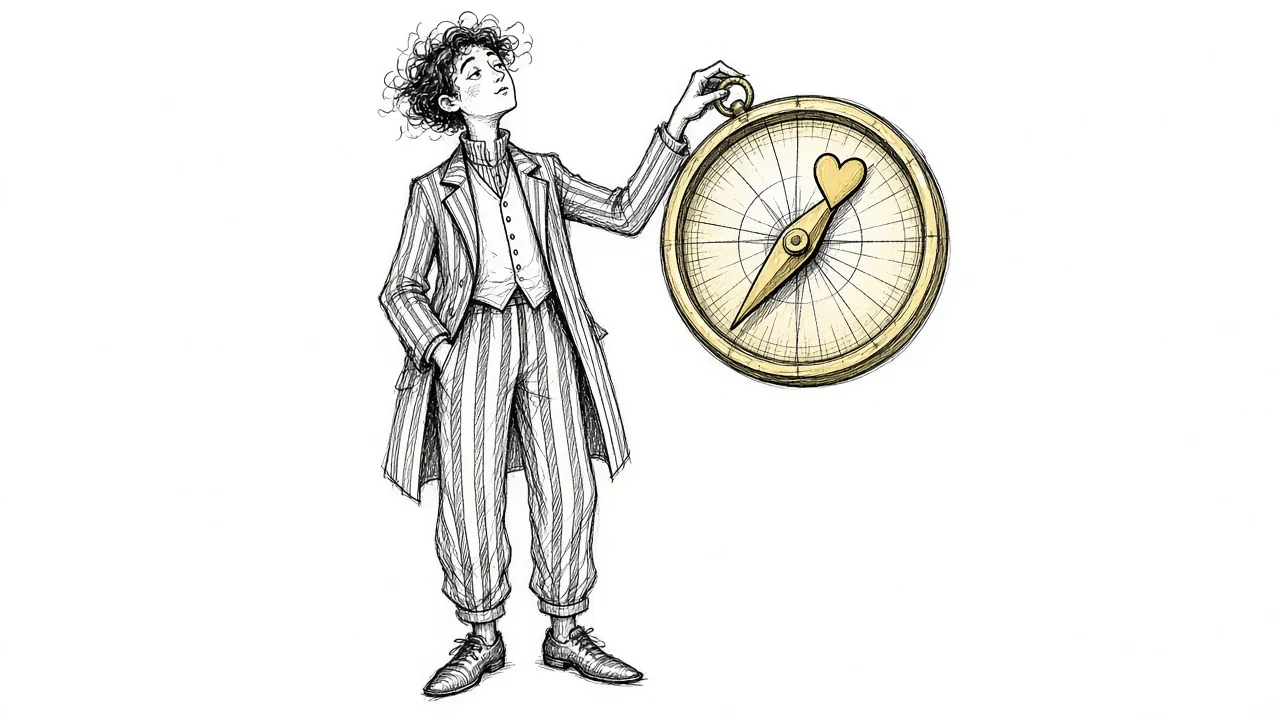
For many, meaning lives inside that ongoing bond. You might ask, "What would they want me to do with this day?" or "How can I honor them this year?" The answers can become a quiet compass.
A simple reflection to try
If you would like a gentle place to start, try writing short answers to these prompts. There is no right answer, and you can come back to them as often as you like.
- One thing they taught me without meaning to was...
- Something I see differently since they died is...
- A part of them I want to keep alive in me is...
- A question I still carry is...
- One small thing I could do this week in their honor is...
Some people find it easier to write a letter directly to the person. Others prefer a list. Either is fine. The point is not to produce something polished. It is to give the questions somewhere to go.
When the questions feel too heavy
For some people, questions of meaning slide into hopelessness. If you find yourself feeling that nothing will ever matter again, that life is not worth living, or that you would rather not be here, please reach out for support right away. These feelings can come with grief, and they deserve care, not silence.
A grief counselor or therapist can help you explore big questions safely. Our guide to grief counseling explains what that support can look like.
Living with an open question
Some questions will never get a full answer. Why them? Why then? What if? For many people, the goal slowly shifts from answering the question to learning to live beside it.
That might sound unsatisfying. But many grieving people describe a moment, often much later, when the question stops demanding an answer every day. It is still there. It just no longer takes up the whole room.
Meaning after loss is rarely a single discovery. It is more like a path you notice only when you look back. You keep loving them. You keep living. And slowly, those two things start to fit together in a way you can carry.
This article is for general information and support. It is not medical or mental health advice. If grief has become unbearable or you are thinking about harming yourself, call or text 988 right now.
Related reading
When Grief Shakes Your Faith
Loss can deepen faith or shatter it. How spiritual struggle shows up in grief and ways to navigate it.
Losing a Partner: Grief After the Death of a Spouse
Losing a husband, wife, or partner changes every part of life. A guide to widowhood, identity, loneliness, and loving again.

Afraid You're Forgetting Them? Grief and Fading Memories
Many grieving people fear losing the sound of a voice or details of a face. Why memories fade and how to preserve them.