 murido
Guilt After a Death: When Your Mind Puts You on Trial

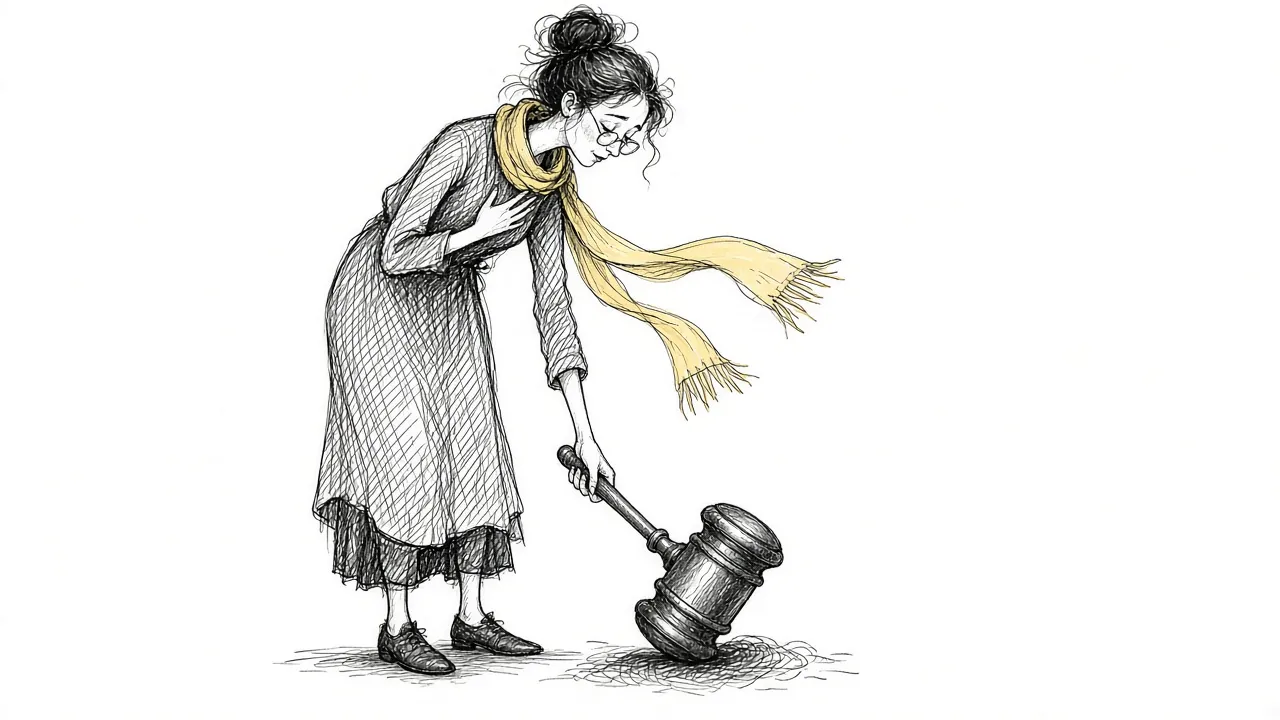
"I should have called that night." "I should have pushed the doctors harder." "I should have noticed." After someone dies, many people find their mind turning into a courtroom. Every decision is cross examined. Every missed moment becomes evidence. And the verdict is always the same: it was your fault.
Guilt is one of the most common and most painful parts of grief. It can show up even when, by any fair measure, you did nothing wrong. This guide explains why guilt is so common after a death, the different forms it can take, and how to loosen its grip without pretending it is not there.
Why the mind puts you on trial
Guilt after a death often has less to do with what you did and more to do with how the mind handles helplessness. When someone we love dies, we are faced with how little control we really have. That is a terrifying thought.
Guilt offers a strange kind of comfort. If it was your fault, then it could have been prevented. If it could have been prevented, then the world is not completely random. Blaming yourself can feel easier than accepting that some things simply cannot be stopped.
This does not make the guilt less painful. But understanding it can help you see it as a reaction to loss, not as a verdict about who you are.
Common forms of grief guilt
Guilt wears many disguises. You might recognize one or several of these.
- "If only" guilt. If only I had taken them to the hospital sooner. If only I had been there.
- Relationship guilt. Regret over arguments, harsh words, or distance in the relationship.
- Caregiver guilt. Feeling you did not do enough, or feeling relief when their suffering ended.
- Survivor guilt. Why them and not me? Why do I get to keep living?
- Moving on guilt. Feeling bad when you laugh, enjoy something, or go a day without crying.
- Guilt about the goodbye. Missing the last moments, or feeling the final conversation was not enough.
If the last moments are what haunt you, our guide to grieving an imperfect goodbye may help.
Hindsight is not the same as foresight
One of the hardest things about grief guilt is that you now know how the story ended. Looking back, the signs may seem obvious. But at the time, you did not have that knowledge. You were making decisions with the information you had, while living a normal life, often while tired, busy, or hoping for the best.
It is not fair to judge your past self with information that only arrived later. A useful question to ask is: "Knowing only what I knew then, was my choice a reasonable one?" Most of the time, the honest answer is yes.
You are judging your past self with knowledge you did not have at the time.
Guilt versus regret
It can help to separate guilt from regret.
- Guilt says, "I did something wrong."
- Regret says, "I wish things had been different."
Many people feel guilt when what they are really feeling is regret. You might wish you had visited more often, even though you visited as often as you reasonably could. You might wish you had said "I love you" one more time, even though you said it many times before.
Regret is a natural part of loving someone. It does not mean you failed them.
When there is something real to feel guilty about
Sometimes guilt points to something real. Perhaps there was a falling out that never got repaired. Perhaps you made a choice you would make differently now. Every relationship has rough edges, and death can freeze them in place.
If this is your situation, the guilt deserves attention, not dismissal. A few things may help:
- Name it honestly. Write down exactly what you feel guilty about, as plainly as possible.
- Put it in context. What else was happening at the time? What pressures were you under?
- Consider what they would say. Many people find their loved one would be far more forgiving than they are being with themselves.
- Make amends in another form. Write a letter, apologize out loud, or do something that honors them.
- Let it change you. Sometimes the best response to a real regret is to live differently going forward.
Writing a letter to the person who died is something many people find powerful. There is no need to send it anywhere. The act of saying it can be enough.
When the guilt loops
For some people, guilt becomes a loop that plays over and over, especially at night. The mind replays the same scene, looking for a different ending. This is a form of rumination, and it can keep you stuck.
Trying to argue yourself out of the guilt often makes it louder. A gentler approach can be to notice it, name it, and let it be there without obeying it.
A short practice for guilty thoughts
When a guilty thought shows up, try this:
- Notice the thought. "There is the thought that I should have called."
- Name it as a thought, not a fact. "My mind is telling me a story about blame."
- Make room for the feeling underneath, which is often sadness or longing.
- Gently return your attention to something in front of you, such as your breath or the room around you.
This does not make guilt disappear. But it can reduce the hold it has on you. There is more about this approach in our guide to self compassion in grief.
Guilt and relief can coexist
If the person you lost was ill for a long time, you may have felt relief when they died. Relief that their pain ended. Relief that the caregiving ended. And then guilt about feeling relieved.
Relief does not mean you did not love them. It often means you loved them enough to be exhausted by watching them suffer. Our guide to anticipatory grief and caregiving explores this in more depth.
Talking about guilt
Guilt tends to grow in secret. Saying it out loud to someone you trust can be a relief, especially if they respond with understanding rather than quick reassurance. You might say, "I keep thinking I should have done something different, and I need to say it to someone."
If you do not feel able to tell friends or family, a grief counselor can be a safe place to explore these feelings. Many counselors have heard countless versions of "I should have," and they can help you see your story more clearly.
When guilt becomes dangerous
If guilt is so intense that you feel you do not deserve to live, or you are thinking of harming yourself, please reach out for support immediately. These feelings are a sign of deep pain, not a sign that you are guilty. You deserve help carrying them.
Learning to put the case down
Guilt after a death rarely disappears all at once. More often, it softens slowly. You may find that the courtroom in your head becomes quieter, that the trial comes up less often, and that when it does, you can respond with more kindness.
You loved them. You did your best with what you knew. And the fact that you are still asking these questions shows how much they mattered. That love is real, and it is far more true about you than any verdict your guilt hands down.
This article is for general information and support. It is not medical or mental health advice. If grief has become unbearable or you are thinking about harming yourself, call or text 988 right now.
Related reading
When Grief Shakes Your Faith
Loss can deepen faith or shatter it. How spiritual struggle shows up in grief and ways to navigate it.
Losing a Partner: Grief After the Death of a Spouse
Losing a husband, wife, or partner changes every part of life. A guide to widowhood, identity, loneliness, and loving again.

Afraid You're Forgetting Them? Grief and Fading Memories
Many grieving people fear losing the sound of a voice or details of a face. Why memories fade and how to preserve them.