 murido
Losing a Partner: Grief After the Death of a Spouse

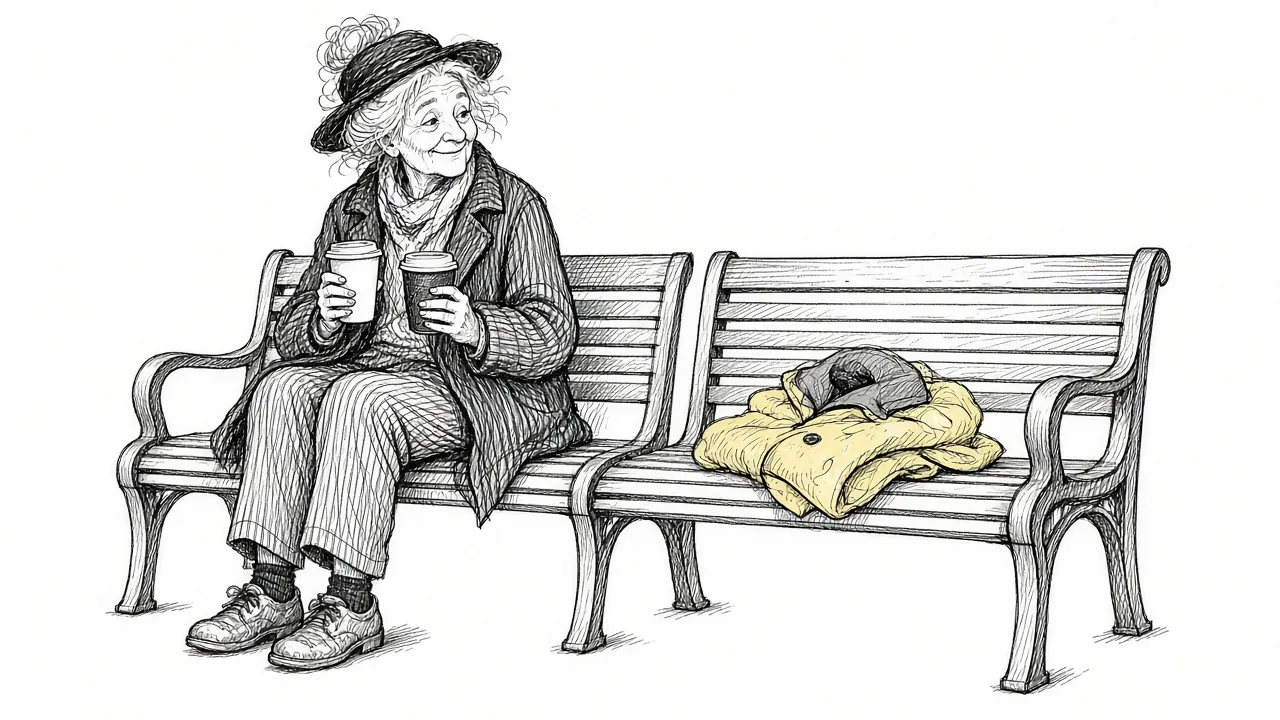
When your partner dies, you lose more than a person. You lose the one who knew your daily life best. The one you texted about small things. The one whose side of the bed is now empty. You may also lose your plans, your routines, your financial stability, your social circle, and the person you were when you were with them.
Losing a spouse or long term partner is one of the most disorienting losses a person can face. This guide covers what you might be going through, the practical and emotional challenges that often come up, and gentle ways to start building a life that still holds them.
A loss that touches everything
A partner is woven into almost every part of daily life. That is why this grief can feel so total. You may notice the absence everywhere:
- At meals, when there is only one plate.
- At night, when the house is too quiet.
- In decisions, when there is no one to talk things through with.
- In small moments, like hearing a song and turning to share it.
- In your body, which may miss their touch and closeness.
Many widowed people say the hardest part is not the big moments but the thousands of small ones. The first time you take out the trash alone. The first time no one asks how your day went.
You did not just lose a person. You lost the life you were living together.
Common feelings after losing a partner
There is no right way to grieve a spouse. Many people describe a mix of feelings that shift over time.
- Deep loneliness, even when surrounded by people.
- Disbelief, sometimes for months, as if they might walk through the door.
- Fear about the future, money, or being alone.
- Anger, at the situation, at them for leaving, or at couples who still have each other.
- Guilt, about things said or unsaid, or about moments of feeling okay.
- Relief, especially after a long illness, followed by guilt about the relief.
- Identity confusion, as you wonder who you are without them.
All of these are part of grief. If you are struggling with guilt, our guide to guilt after a death may help.
The practical side of losing a partner
Alongside the emotional weight, many widowed people face a mountain of practical tasks. There may be paperwork, finances, legal matters, and household jobs that your partner used to handle.
Take it one task at a time
It can help to make a list and work through it slowly. Some tasks are urgent, like notifying certain institutions. Many others can wait. Our guide to making decisions after a loss can help you sort what needs to happen now from what can wait.
Ask for help with what you do not know
If your partner managed the money, the car, or the house, you may need to learn new skills quickly. This can feel overwhelming. It is okay to ask friends, family, or professionals for help. Many people find it useful to work with a trusted financial advisor or attorney.
Avoid big decisions early on
Many grief counselors suggest waiting before making major changes, like selling the house or moving across the country, unless they are truly necessary. Grief can cloud judgment, and what feels right in the first months may feel different later.
The empty side of the bed
Nights are often the hardest time for widowed people. The house is quiet. The bed feels too big. Thoughts get louder.
Some things people find helpful:
- Sleeping with something of theirs, like a pillow or shirt.
- Changing the bedroom slightly, such as rearranging furniture or sleeping on their side.
- Keeping a gentle evening routine.
- Listening to quiet audio, like an audiobook or calming music.
- Keeping a notebook by the bed to write down racing thoughts.
If sleep problems persist for weeks or months, it may help to talk with your doctor.
Friends, family, and changing relationships
After the death of a partner, relationships can shift in surprising ways. Some friends may show up more than you expected. Others may disappear. Couples you socialized with may not know how to include you anymore.
This can add another layer of loss. Try to be honest with the people you want to keep close. You might say, "I still want to be invited, even if it is just me now." Our guide to supporting a grieving loved one may also be helpful to share with family and friends.
Grieving with children
If you have children, you may be grieving your partner while also helping them grieve a parent. This is incredibly hard. You may feel you have to hold it together for them.
Children benefit from honesty and seeing that grief is allowed. You do not have to hide all your tears. You might say, "I am sad because I miss Dad. It is okay to feel sad. We will be okay together." Keeping routines steady, talking about the parent who died, and getting support for yourself all help children cope.
Keeping their memory alive
Many widowed people find comfort in keeping a connection with their partner. This might look like:
- Talking to them out loud or in your head.
- Keeping their photos around the home.
- Continuing traditions you shared.
- Wearing their ring or a piece of their clothing.
- Writing them letters on important days.
These are ways of continuing a bond, which can be a healthy part of grief. You do not have to let go of them to move forward.
Facing anniversaries and firsts
The first wedding anniversary, their birthday, holidays, and the anniversary of their death can be especially painful. Other firsts may hurt too: the first vacation alone, the first time filling out a form that asks for marital status.
Planning ahead can help. You might decide whether you want to be with people or alone, whether to keep traditions or start new ones. Our guide to the first time without them explores this in more detail.
Thinking about the future
At some point, you may wonder what your life will look like now. Will you always feel this way? Will you ever be happy again? Could you ever love someone else?
There is no right answer or timeline. Some people never want another partner. Others find new love years later, or sooner. Neither choice is a betrayal of the person who died. Many people find their capacity to love grows rather than shrinks with loss.
For now, it may be enough to think about small steps. Getting through today. Finding one thing that brings a little comfort. Reaching out to one person.
When to seek support
Losing a partner raises the risk of depression and loneliness, especially for people who were married for a long time. Please reach out to a doctor or counselor if:
- You feel hopeless most days.
- You are not eating, sleeping, or taking care of your basic needs.
- You are drinking more to cope.
- You have thoughts of not wanting to live, or of joining your partner.
Support groups specifically for widowed people can be especially helpful. Being with others who understand can ease the loneliness in a way that friends sometimes cannot.
Carrying them with you
Losing a partner changes your life in ways that are hard to put into words. Over time, many widowed people find that the sharpest pain softens. They still miss their partner deeply. But they begin to build a life that holds both the loss and new moments of meaning.
You are still their person, even now. The love you shared does not end. It simply finds new ways to live in you.
This article is for general information and support. It is not medical or mental health advice. If grief has become unbearable or you are thinking about harming yourself, call or text 988 right now.
Related reading
When Grief Shakes Your Faith
Loss can deepen faith or shatter it. How spiritual struggle shows up in grief and ways to navigate it.

Afraid You're Forgetting Them? Grief and Fading Memories
Many grieving people fear losing the sound of a voice or details of a face. Why memories fade and how to preserve them.
Grief After a Long Illness: Anticipatory Grief and Caregiving
Caring for someone through a long illness brings grief before and after death. A guide for caregivers on anticipatory grief and what comes next.