 murido
When Nothing Feels Right: Grieving an Imperfect Goodbye


Many of us carry a picture of how a goodbye should go. The family gathered around the bed. Hands held. Final words of love spoken and heard. A peaceful last breath.
For many people, that is not what happens. The death comes suddenly, or in the middle of the night, or during the five minutes you stepped out for coffee. The last conversation was about groceries. You were fighting. You were stuck in traffic. You were not allowed into the hospital. Or you were there, and it was frightening and messy and nothing like the movies.
If your goodbye did not feel right, this guide is for you. It explores why imperfect goodbyes hurt so much, what you might be carrying, and how to find some peace with an ending you would not have chosen.
Why the goodbye matters so much
Endings carry a lot of weight in how we remember things. A hard final scene can feel like it colors the whole relationship. You might find that, instead of remembering years of love, your mind keeps returning to the last day.
There is also the feeling of unfinished business. Words you meant to say. An apology you never offered. A thank you that stayed in your throat. When the goodbye is cut short, all of that can feel stuck.
One hard ending does not erase a lifetime of love. It just sits at the front of the memory for a while.
Common kinds of imperfect goodbyes
Every story is different, but some patterns show up again and again.
- Not being there. You were traveling, at work, asleep, or simply out of the room.
- A sudden death. There was no chance to say anything at all.
- A last conversation that went wrong. An argument, a short reply, or a moment of impatience.
- Restrictions or distance. Hospital rules, a pandemic, or geography kept you away.
- A frightening death. The final moments involved pain, confusion, or medical chaos.
- A goodbye you could not understand. Your loved one was unconscious or not themselves due to illness.
- A relationship that was strained. The death came before you could repair things.
You might recognize one of these, or your story might be something else entirely.
What people often feel
People who grieve an imperfect goodbye often describe:
- Guilt for not being present, or for how they behaved.
- Regret about words left unsaid.
- Replaying the last moments over and over.
- Anger at circumstances, staff, family members, or themselves.
- A sense of being robbed of a moment they had always expected to have.
These feelings are natural responses to a painful ending. If guilt is especially loud, our guide to guilt after a death may help.
Why you might not have been there
Many people miss the moment of death even after keeping a long vigil. Hospice workers and nurses often notice that people sometimes die just after a loved one steps out. Nobody knows exactly why. Some families find comfort in the idea that their loved one may have found it easier to let go in a quiet moment.
Whatever the reason, missing the moment does not mean you abandoned them. You were there in every other way that mattered: in the visits, the calls, the years of love.
When the last words were hard
If your final conversation was an argument or a careless remark, it can feel unbearable. You may think, "That is the last thing they heard from me."
But relationships are not judged by one sentence. If you loved each other, that love was built across thousands of moments. Your loved one almost certainly knew who you were beyond a single bad day. Most of us, if we imagine our own loved ones arguing with us on our last day, would not want them to carry that forever.
When the death itself was hard to witness
If you saw your loved one in pain or distress, or saw a medical emergency unfold, those images can return unbidden. They might come at night, or when something reminds you of the hospital.
This is a form of trauma, and it is common after difficult deaths. Our guide to intrusive memories after a death and why your brain replays their last days explores why these images stick, and why pushing them away often makes them stronger.
Saying what was left unsaid
The goodbye may have passed, but you can still say what you need to say. Many grieving people find comfort in finishing the conversation in another way.
Write a letter
Write directly to the person. Tell them what you wish you had said. Apologize if you need to. Thank them. Describe what they meant to you. You do not need to share it with anyone.
Speak out loud
Some people find it helpful to visit the grave, a special place, or simply a quiet room and speak to the person directly. It can feel strange at first. Many people are surprised by how much it helps.
Create a ritual
You might light a candle, play their favorite song, or hold a small ceremony with family, even long after the funeral. A deliberate act of goodbye can bring some sense of completion.
Imagine their response
Some people find it healing to write a reply from their loved one. What would they say if they could hear you now? Often the imagined response is far more forgiving than our own inner voice.
Letting the ending be one part of the story
Over time, many people find that the goodbye takes up less space in their memory. It becomes one chapter among many, rather than the whole book.
You can help this along by deliberately calling up other memories. Look at photos from good times. Tell stories about them. Write down moments that capture who they really were. Our guide to continuing bonds explores ways to stay connected to the whole person.
When to look for extra help
If the goodbye continues to haunt you, especially if you are having flashbacks, nightmares, or intense guilt that does not ease, it may help to talk with a grief counselor or therapist. Trauma focused therapies can be especially helpful when the death itself was distressing. You can learn more in grief counseling: what to expect.
A small exercise: the goodbye you would have wanted
Some people find comfort in imagining the goodbye they wish they had. Sit somewhere quiet and picture it in detail. Where would you be? What would you say? What would they say back? How would you hold their hand?
You might write this scene down. It will not change what happened. But it can give your heart a chance to say what it needed to say, and to feel the love that was always there. Many people find that, after doing this, the real goodbye loosens its hold a little. The imagined one becomes another way of honoring the relationship.
A gentler way to hold it
There is rarely such a thing as a perfect goodbye. Even when everyone is gathered and every word is said, there is often something left unfinished. Love tends to want more time, more words, more chances.
That longing is not a sign you failed. It is a sign of how much you cared. With time, many people come to see their imperfect goodbye not as the end of the relationship, but as one painful moment inside a love that is still going.
This article is for general information and support. It is not medical or mental health advice. If grief has become unbearable or you are thinking about harming yourself, call or text 988 right now.
Related reading
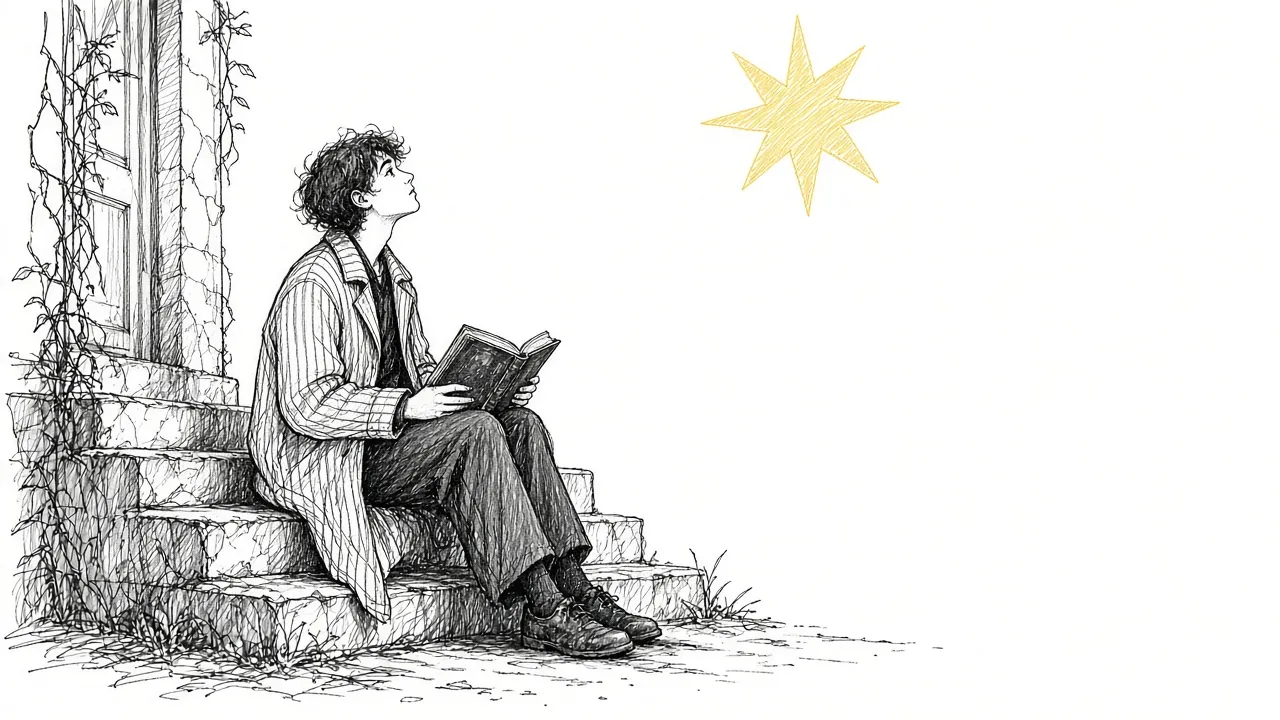
When Grief Shakes Your Faith
Loss can deepen faith or shatter it. How spiritual struggle shows up in grief and ways to navigate it.
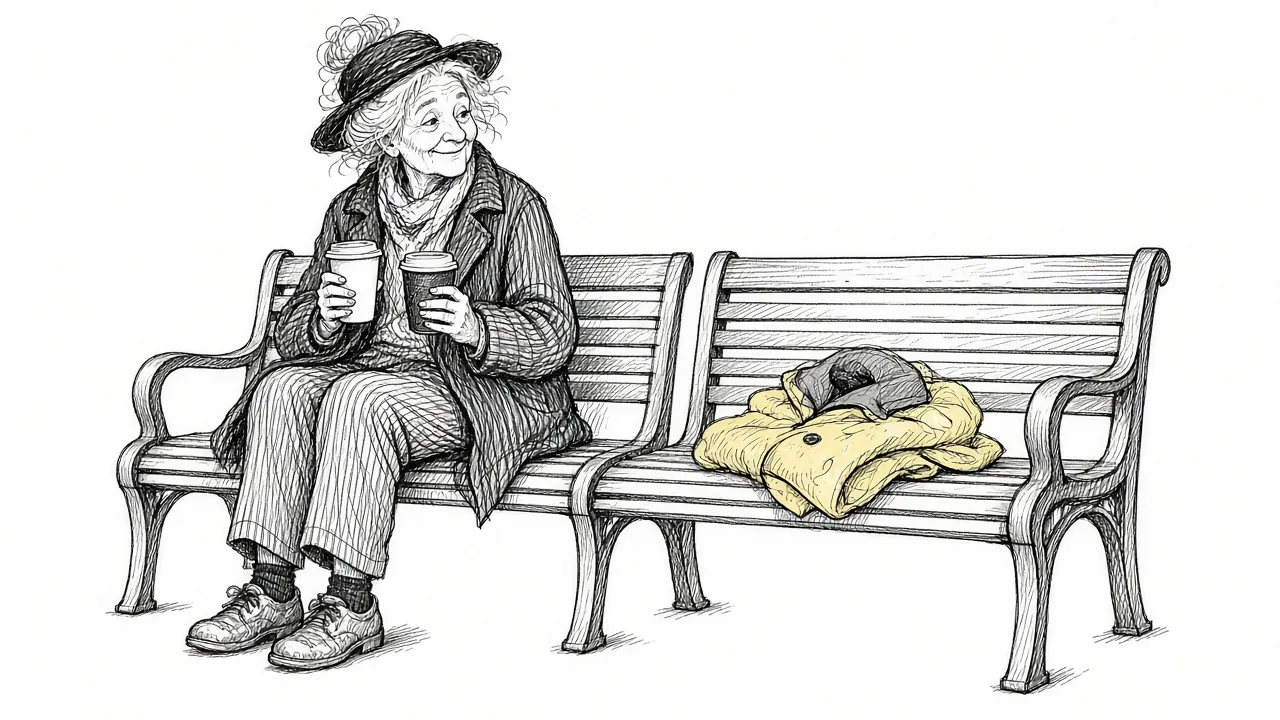
Losing a Partner: Grief After the Death of a Spouse
Losing a husband, wife, or partner changes every part of life. A guide to widowhood, identity, loneliness, and loving again.
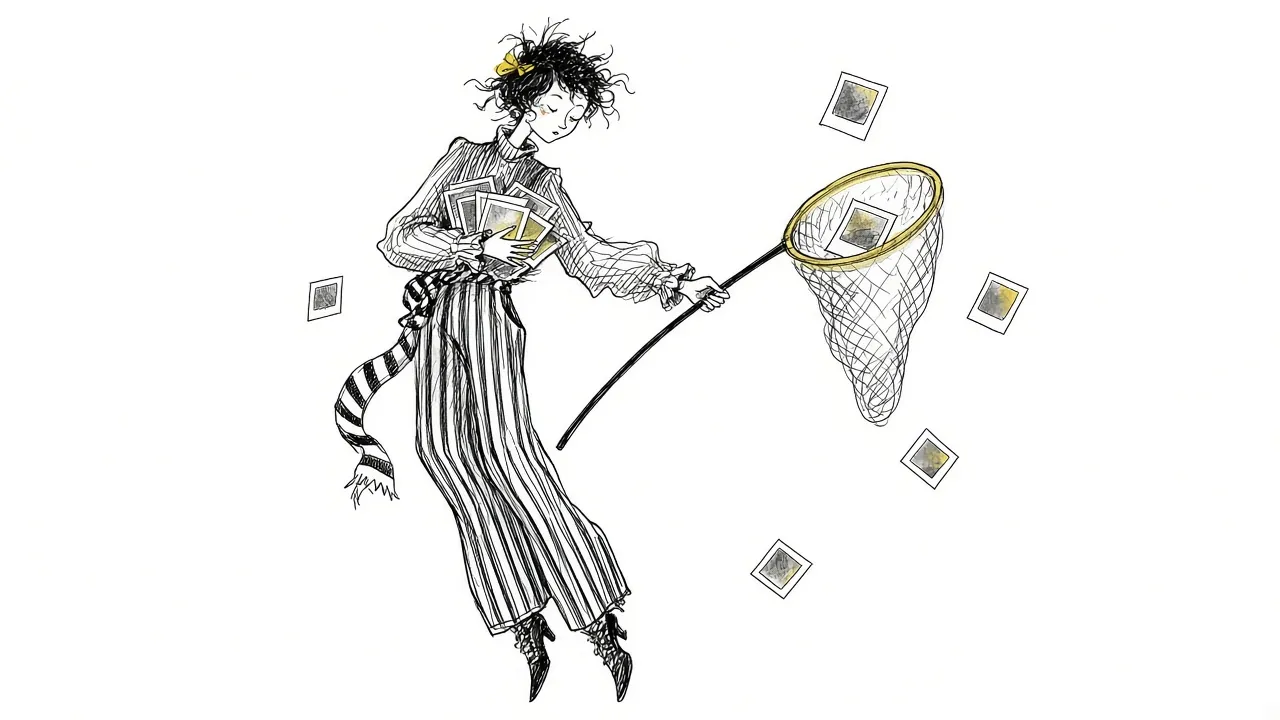
Afraid You're Forgetting Them? Grief and Fading Memories
Many grieving people fear losing the sound of a voice or details of a face. Why memories fade and how to preserve them.