 murido
Common Types of Grief and the Fears That Come With Them

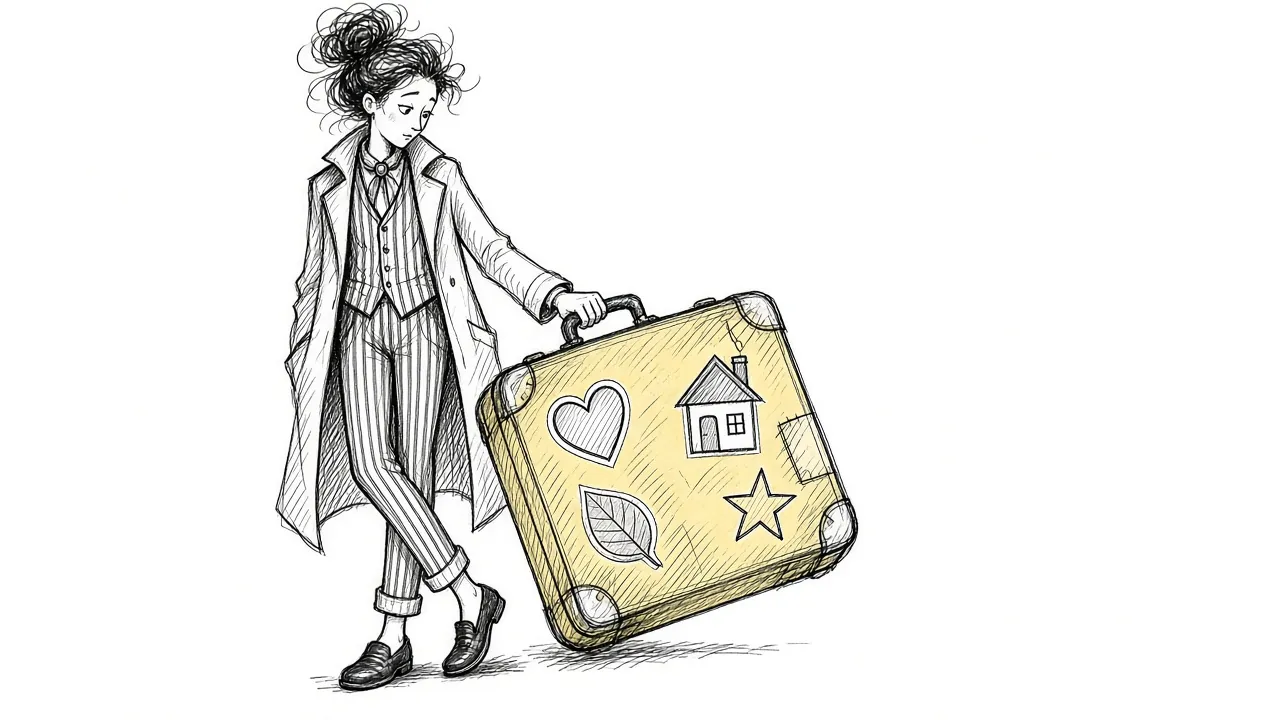
Grief is rarely just sadness. It often comes with fear: fear of forgetting, fear of losing someone else, fear that you are grieving wrong, fear that the pain will never end. These fears can be as hard to carry as the grief itself, and they often go unspoken.
This guide looks at some common kinds of loss, the fears that tend to travel with them, and gentle ways to respond. You may see yourself in more than one section. That is normal. Grief and fear often weave together in ways that are unique to each person.
Why fear and grief go together
Loss changes your sense of how the world works. Before, you might have assumed the people you love would be there tomorrow. After a death, that assumption is broken. Your mind may start scanning for other dangers, trying to protect you from another blow.
Fear can also come from uncertainty. Grief is unfamiliar territory for many people, and not knowing what to expect can be frightening.
Fear in grief is often love trying to protect what is left.
Losing a parent
Common fears
- Fear of being alone, or of being the oldest generation now
- Fear of forgetting their voice, face, or stories
- Fear about your own health, especially if they died of an illness
- Fear about how to support a surviving parent
Gentle responses
Gathering stories from relatives, keeping recordings or letters, and talking with a doctor about any health concerns can ease some of these fears. Building new traditions with siblings or family can help with the sense of being unmoored.
Losing a partner
Common fears
- Fear of being alone for the rest of your life
- Fear of managing finances, home, or children alone
- Fear of losing your identity as part of a couple
- Fear that new relationships will feel like betrayal
Gentle responses
Taking practical matters one step at a time, asking for help, and remembering that there is no timeline for future relationships can help. See Losing a Partner.
Losing a child
Common fears
- Fear that the pain will never be bearable
- Fear for the safety of surviving children
- Fear that others will forget your child
- Fear that your relationship with your partner will not survive
Gentle responses
Finding other bereaved parents, speaking your child's name, and creating lasting rituals can help. Couples often grieve differently, and counseling can help partners understand each other.
Losing a sibling
Common fears
- Fear that your grief is overlooked because attention goes to your parents or their family
- Fear of losing your shared history
- Fear of your own mortality, especially if they were close in age
Gentle responses
Acknowledging that sibling grief is real and deep, and finding others who understand it, can help. See Disenfranchised Grief.
Losing a friend
Common fears
- Fear that your grief does not count because you were not family
- Fear of losing the part of you that only they knew
Gentle responses
Friendship grief is real. Connecting with others who loved them and creating your own rituals can help you honor the bond.
Losing a pet
Common fears
- Fear of being judged for grieving so deeply
- Fear of the empty routines at home
Gentle responses
Pet grief can be profound. It is okay to mourn openly, keep reminders, and take time before deciding about another pet.
Loss to suicide
Common fears
- Fear that you should have seen it coming
- Fear of judgment from others
- Fear for other loved ones who may be struggling
Gentle responses
Suicide loss often benefits from specialized support. Groups for survivors of suicide loss can help. See Grief After Suicide Loss.
Pregnancy and infant loss
Common fears
- Fear that others do not see the loss as real
- Fear about future pregnancies
- Fear of forgetting the baby
Gentle responses
Naming the baby, keeping mementos, and finding communities of parents who have experienced similar losses can help. See Pregnancy and Infant Loss.
Fears that cross every kind of loss
Some fears seem to show up no matter who you lost.
1. Fear of forgetting
Many grieving people worry they will lose memories of the person. Writing down stories, keeping photos, and recording memories can help. See Afraid You're Forgetting Them?.
2. Fear of losing someone else
After one loss, it is common to fear more losses. This can lead to anxiety, overprotectiveness, or avoiding closeness. See Protective Grief.
3. Fear of grieving wrong
People often worry their grief is too much, too little, or too long. There is no right way to grieve.
4. Fear of moving forward
Some people fear that feeling better means letting go. Continuing bonds can allow you to move forward while staying connected.
5. Fear of the pain never ending
Early grief can feel endless. For many people, it does soften over time, though not in a straight line.
Losing a grandparent
Common fears
- Fear that your grief seems smaller because they were older
- Fear of losing the family gatherings and traditions they held together
- Fear of watching your parent grieve
Gentle responses
Grandparent grief can be deep, especially if they helped raise you or were a steady presence. Asking relatives for stories, keeping one tradition going, and checking in on your parent can help you feel less alone in it.
Loss after a long illness
Common fears
- Fear that you did not do enough as a caregiver
- Fear of the empty days now that caregiving is over
- Fear that feeling relief makes you a bad person
Gentle responses
Relief after a long illness is common and does not cancel love. Giving yourself time to rest, and talking with others who have been caregivers, can ease the guilt. See Grief After a Long Illness.
Working with fear gently
When fear shows up, you might try:
- Naming it. "This is my fear of losing someone else."
- Getting curious. What is this fear trying to protect?
- Grounding. Feel your feet, notice your breath, look around the room.
- Checking reality. What is actually happening right now?
- Reaching out. Share the fear with someone who will listen.
Fear does not need to be eliminated. It needs to be understood and held with kindness.
When fear becomes overwhelming
If fear is constant, intense, and interfering with daily life, it may help to talk with a counselor. Anxiety can sometimes grow out of grief and benefit from its own care. See Grief Alongside Depression and Anxiety.
If fear or grief brings thoughts of ending your life, please call or text 988 to reach the Suicide and Crisis Lifeline any time.
Carrying both
Grief and fear often arrive together, and they can make each other heavier. But they also both come from love: love for the person who died, and love for what remains. Understanding the fears that travel with your grief can make them a little less frightening, and make room for the love underneath.
This article is for general information and support. It is not medical or mental health advice. If grief has become unbearable or you are thinking about harming yourself, call or text 988 right now.
Related reading
When Grief Shakes Your Faith
Loss can deepen faith or shatter it. How spiritual struggle shows up in grief and ways to navigate it.
Losing a Partner: Grief After the Death of a Spouse
Losing a husband, wife, or partner changes every part of life. A guide to widowhood, identity, loneliness, and loving again.
Afraid You're Forgetting Them? Grief and Fading Memories
Many grieving people fear losing the sound of a voice or details of a face. Why memories fade and how to preserve them.