 murido
Pregnancy and Infant Loss: Grieving a Baby

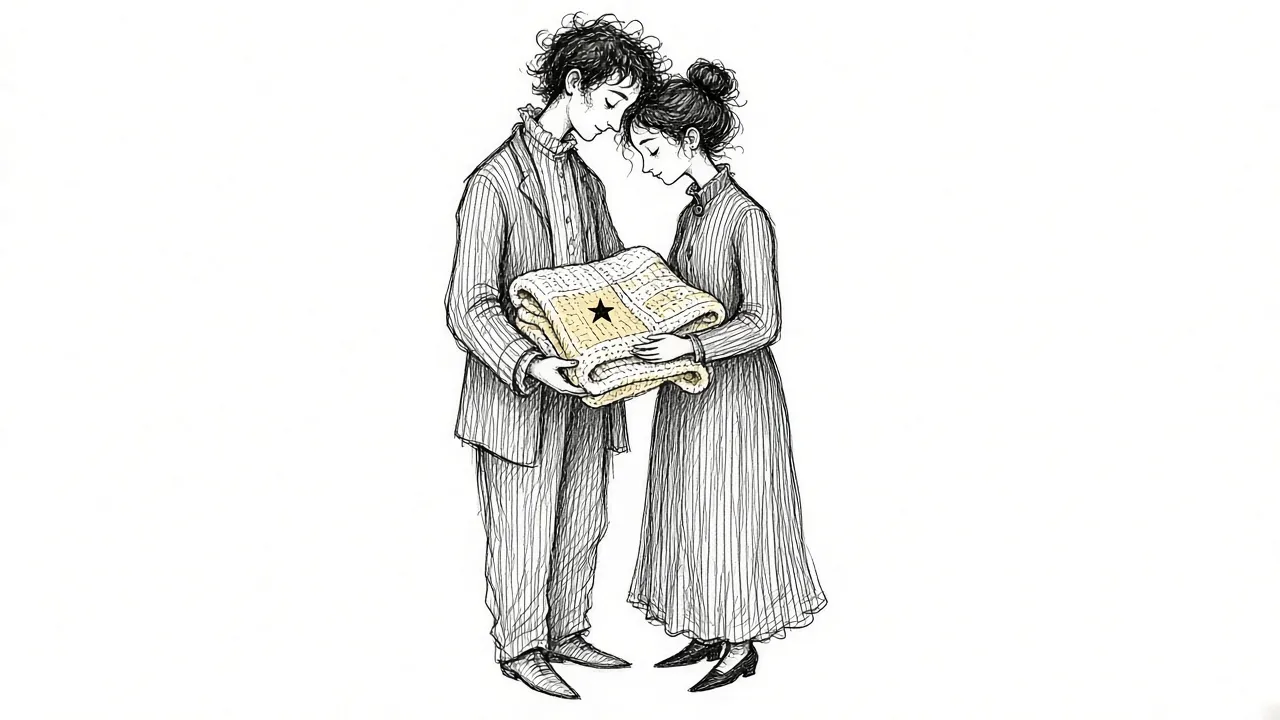
When a pregnancy ends or a baby dies, the world often does not know what to do with your grief. There may have been no funeral. Some people never met your baby. Coworkers may not have known you were expecting. And yet you lost a person you had already started to love, along with a whole future you had begun to picture in detail.
This guide is for parents grieving a miscarriage, a stillbirth, a loss after a diagnosis, or the death of an infant. It is also for the partners, grandparents, and friends who loved that baby too. Your grief is real, whatever week it happened, and it deserves room.
Why this loss can feel so lonely
Most grief is shared with people who knew the person who died. They tell stories at the funeral. They remember the way the person laughed. With pregnancy and infant loss, the memories are often held by one or two people. You may be the only ones who felt the kicks, heard the heartbeat, or held that small, perfect hand.
That can make the loss feel invisible. Friends may say nothing because they are afraid of saying the wrong thing. Family may move on quickly because, to them, the baby was an idea. To you, the baby was already part of the family.
This is a form of disenfranchised grief: grief that is not fully recognized by the people around you. It is no smaller for being unseen. If anything, it can be heavier, because you carry it with less help.
What you might be feeling
There is no correct set of feelings after losing a baby. Many parents describe a mix that changes from hour to hour.
- Deep longing for the baby, and for the life you had imagined together.
- Emptiness in the body, especially after a later loss, when your body may still act as if a baby is coming.
- Guilt and searching, replaying every meal, every symptom, every decision.
- Anger, at your body, at doctors, at people who are pregnant, at the unfairness of it.
- Jealousy toward friends with babies, followed by shame about feeling jealous.
- Numbness, especially in the first days, when the loss has not yet landed.
- Fear about trying again, or about anything ever going right.
All of this is common. None of it means you are handling grief badly.
Guilt is common, and usually unfair
Many parents become convinced they caused the loss. They wonder if it was the coffee, the stress, the long flight, the workout. In most cases, pregnancy loss happens for reasons that no one could have seen or stopped. But knowing that in your head does not always quiet the feeling.
If guilt is loud, it can help to read about guilt after a death and how the mind tries to make sense of things that cannot be controlled. You can also ask your doctor directly whether anything you did could have changed the outcome. Many parents find relief in hearing the answer out loud.
You do not need a certain number of weeks, or a birth certificate, to have lost someone you love.
Your body grieves too
After a loss later in pregnancy or after birth, your body may produce milk. Hormones shift sharply. You may bleed, ache, and feel exhausted while also trying to cope with the shock. This physical reality can make grief feel constant, because your body keeps reminding you.
Be gentle with yourself here. Rest when you can. Ask your care provider about what to expect physically and what support exists for milk supply. Some parents choose to donate milk in their baby's memory. Others need it to stop as quickly as possible. Both choices are valid. The physical side of grief is real for everyone, and for bereaved parents it can be especially intense.
Partners grieve differently, not less
Couples often grieve the same loss in very different ways. One parent may want to talk constantly. The other may go quiet, throw themselves into work, or focus on practical tasks. The non-birthing partner may feel they have to be the strong one, and their grief can go unnoticed by everyone, sometimes even themselves.
Different styles are not a sign that one of you cares less. A few things can help:
- Agree that each of you is allowed to grieve your own way.
- Set aside a short, regular time to check in, even ten minutes.
- Say what you need plainly, because your partner cannot guess.
- Let each of you have other sources of support, so one person does not have to carry it all.
Making memories when time was short
One of the hardest parts of this loss is how few memories there may be. Some parents worry they will forget, or that there was not enough to remember in the first place. But memory can be built after a loss, and many families find comfort in doing so.
Some ideas families have found meaningful:
- Keeping the ultrasound images, hospital bracelet, or a blanket in a special box.
- Choosing a name, if you have not already, and using it.
- Writing a letter to your baby about who you hoped they would be.
- Planting something that blooms around the due date or birth date.
- Lighting a candle on hard days, or joining a remembrance event.
- Asking close family to write down what the baby meant to them.
These are not ways of holding on too tightly. They are ways of continuing a bond, which is a healthy part of grief for many people.
Hard days you might not expect
Some days will be hard for obvious reasons, like the due date or the anniversary of the loss. Others catch you off guard.
Dates and milestones
The due date can hit hard, especially if the loss happened early. Later, you may find yourself counting how old your baby would be now. You may picture first steps or a first day of school. These moments are part of grieving a future, not only a past.
Other people's pregnancies
Baby showers, birth announcements, and pregnancy news can be painful. It is okay to skip events, mute social media accounts, or send a card instead of going in person. Protecting yourself is not selfish. You can tell close friends, "I am so happy for you, and I also need a little distance right now."
Questions from strangers
"Do you have kids?" can be a hard question to answer. There is no right response. Some parents say yes and name their baby. Some say no, to protect themselves in that moment. You get to choose what feels right each time, and the answer can change.
What helps from others
If you are supporting someone through this loss, a few gentle things go a long way.
- Say the baby's name, if they have one.
- Say "I am so sorry," and stop there. You do not need to explain or fix.
- Avoid phrases like "at least it was early" or "you can try again." These shrink the loss.
- Remember the due date and the anniversary. A short message can mean a great deal.
- Offer specific help, such as dropping off a meal or covering a shift.
There is more in our guide to supporting a grieving loved one.
Trying again, or not
Some parents want to try again quickly. Others cannot imagine it. Some cannot try again at all. Any of these paths can be full of grief. A new pregnancy does not replace the baby who died, and many parents describe feeling joy and fear and grief all at once.
If you do become pregnant again, it is common to feel guarded and anxious, especially around the point when the previous loss happened. Let your care team know about your history. Many will offer extra check ins or reassurance visits.
When to look for more support
Grief after pregnancy or infant loss can be overwhelming, and it can overlap with depression or anxiety, especially with the hormonal changes after birth. Consider reaching out to a doctor, a counselor who works with perinatal loss, or a support group for bereaved parents if:
- You cannot sleep or eat for days at a time.
- You feel hopeless, or that life is not worth living.
- Panic or fear makes it hard to leave the house.
- The grief feels just as raw months later and is getting heavier, not lighter.
Many hospitals have bereavement coordinators who can connect you with local groups. You do not have to wait until things are unbearable to ask.
Carrying your baby with you
Your baby was here, even if only for a short time, and they changed you. Many parents find that, over time, the grief softens into something they can carry. It does not disappear. But it often makes room for love to sit alongside it.
There is no timeline for this. Some days you will feel you are moving forward. Other days a small sock in a drawer will undo you. Both are part of loving someone you had to let go of too soon.
This article is for general information and support. It is not medical or mental health advice. If grief has become unbearable or you are thinking about harming yourself, call or text 988 right now.
Related reading
When Grief Shakes Your Faith
Loss can deepen faith or shatter it. How spiritual struggle shows up in grief and ways to navigate it.
Losing a Partner: Grief After the Death of a Spouse
Losing a husband, wife, or partner changes every part of life. A guide to widowhood, identity, loneliness, and loving again.

Afraid You're Forgetting Them? Grief and Fading Memories
Many grieving people fear losing the sound of a voice or details of a face. Why memories fade and how to preserve them.