 murido
Protective Grief: When You Become Afraid of Losing Anyone Else

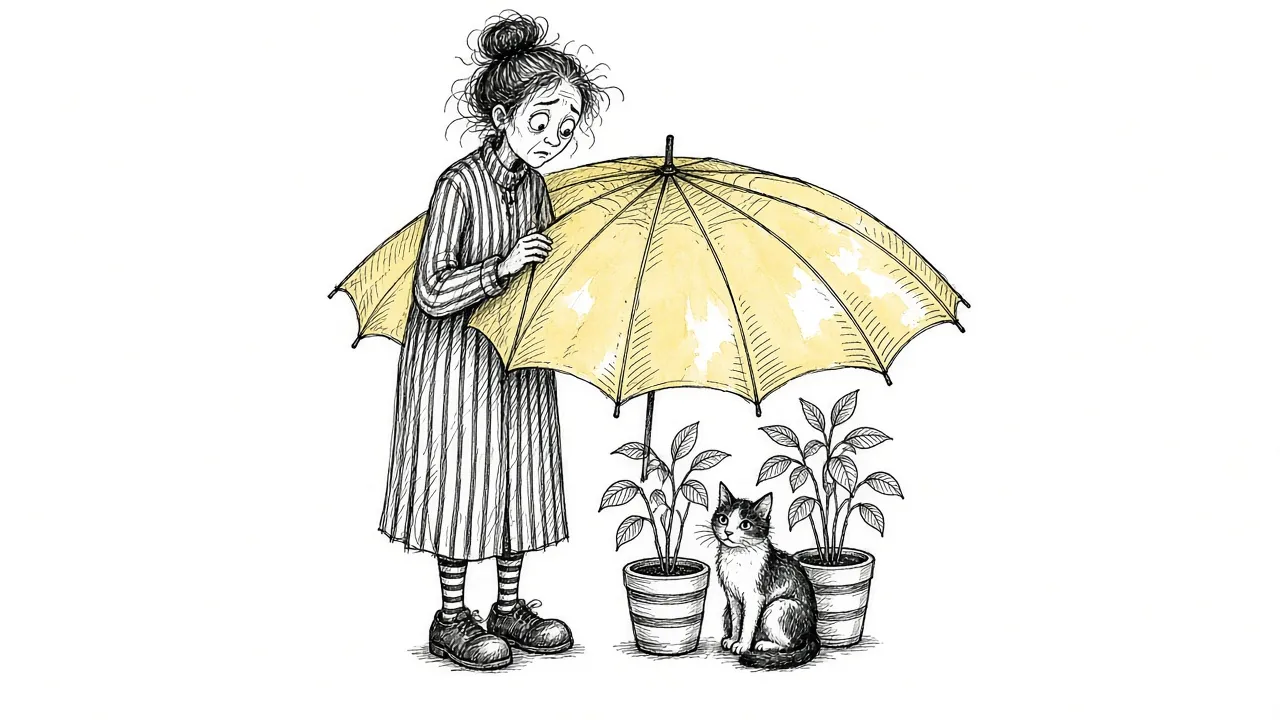
After someone you love dies, you may find yourself suddenly terrified of losing anyone else. You check on your kids at night to make sure they are breathing. You panic when your partner is late coming home. A cough from a parent sends your mind straight to the worst outcome.
This fear is so common after a loss that it deserves a name. We call it protective grief. It is grief reaching forward, trying to stop the next loss before it happens. This guide explains why it shows up, what it can look like, and how to care for yourself and the people you love without being run by fear.
Why loss makes you afraid of more loss
Before a death, most of us live with a quiet sense that the people we love will be around for a long time. We know, in theory, that anyone could die. But we do not feel it.
A death changes that. Suddenly the possibility of loss is not theoretical. It has happened. Your brain, which is designed to protect you, takes that lesson very seriously. It starts scanning for danger everywhere, trying to keep you from being blindsided again.
In a sense, protective grief is love on high alert.
Your fear is not a sign that something bad will happen. It is a sign that something bad already did.
What protective grief can look like
Protective grief shows up differently in different people. You might notice:
- Constant checking. Calling, texting, or tracking loved ones to make sure they are safe.
- Catastrophic thinking. Jumping to the worst explanation for any delay or symptom.
- Health worries. Anxiety about your own health or that of people you love.
- Avoidance. Steering clear of driving, travel, hospitals, or anything linked to the death.
- Overprotecting. Limiting what children or partners do, out of fear.
- Trouble sleeping, especially lying awake picturing what could go wrong.
- Pulling back from closeness, as if loving someone less would hurt less if they died.
You might recognize yourself in just one of these or in several.
When it makes sense, and when it starts to cost you
Some amount of heightened caution after a loss is natural. It often eases on its own as your nervous system settles. But for some people, protective fear grows instead of fading. It can start to shape daily life in ways that cost more than they protect.
Signs that protective grief may be taking up too much room:
- You spend large parts of the day worrying about losing someone.
- Your loved ones feel restricted or watched.
- You avoid activities you used to enjoy because of fear.
- You feel unable to relax unless you know everyone is safe.
- Reassurance helps for a moment, then the worry comes right back.
That last point is important. Reassurance can feel like relief, but it often feeds the cycle. The more you check, the more your brain learns that checking is necessary.
The trap of checking
When fear says "call them right now," calling feels like the obvious answer. And sometimes it is. But when checking becomes a constant habit, it can make anxiety stronger over time.
Here is how the loop usually works:
- A worry shows up. "What if something happened to them?"
- Anxiety rises.
- You check. They are fine.
- Anxiety drops, briefly.
- Your brain learns that checking is what made them safe.
- The next worry arrives sooner and feels more urgent.
Breaking the loop does not mean never checking. It means slowly checking less, and allowing yourself to sit with the discomfort of not knowing for a little while. Our guide to breaking the avoidance cycle explores a similar pattern.
Gentle ways to work with protective fear
Name it when it shows up
When a fearful thought arrives, try labeling it: "This is protective grief talking." Naming it can create a little distance. It reminds you that the thought comes from your loss, not from a real, current threat.
Make room for the fear without obeying it
You do not have to argue with the fear or make it disappear. You can let it be there, notice the tight chest or racing heart, and still choose what to do next. This is the heart of willingness rather than willpower.
Delay the check
If you feel the urge to call or text, try waiting five minutes. Then ten. Notice what happens to the anxiety as you wait. Often it rises and then falls on its own. Over time, this teaches your brain that you can tolerate not knowing.
Look underneath the fear
Underneath protective grief there is usually sorrow. Fear can be a way of not feeling the full weight of the loss you have already had. Sometimes letting yourself grieve the person who died, directly, reduces the urge to guard against the next loss.
Talk with the people you love
It can help to tell close family what is going on. You might say, "Since Dad died, I get scared when I cannot reach you. I am working on it. A quick text when you land would help me." Clear, limited requests are easier on everyone than constant checking.
Protective grief in children
Children who lose a parent, sibling, or grandparent often develop fears about losing someone else. They may become clingy, struggle with separation at school, or ask repeated questions about whether you will die.
Children need honest, simple reassurance. You might say, "I am healthy and I plan to be around for a very long time. And there are lots of people who love you and would take care of you." Keeping routines steady helps too. If fears are severe or lasting, a child grief counselor can help.
When protective grief overlaps with anxiety
Sometimes protective grief opens the door to a broader anxiety problem, such as panic attacks or health anxiety. If your fear is affecting your sleep, work, relationships, or ability to leave the house, it may help to speak with a doctor or therapist. Our guide to grief alongside depression and anxiety explains the overlap.
Loving fully again
One of the quiet risks of protective grief is pulling back from love. Some people decide, consciously or not, that it is safer not to get too close to anyone. Others hold themselves at a distance from their own children or partners.
This is understandable, but it often makes life smaller without making loss any less likely. Love always comes with the risk of loss. That is part of what makes it precious.
Many grieving people find, over time, that they can hold both truths at once. Yes, I could lose them. And yes, I am going to love them as fully as I can while they are here.
Moving forward with care
Protective grief usually softens with time, especially when you meet it with understanding instead of panic. You may always be a little more aware of how fragile life is. Many people say this awareness, once it settles, makes them more present and grateful with the people they love.
Be patient with yourself. Your fear is your love trying to keep everyone close. You can thank it for trying, and then, gently, take back the wheel.
This article is for general information and support. It is not medical or mental health advice. If grief has become unbearable or you are thinking about harming yourself, call or text 988 right now.
Related reading
When Grief Shakes Your Faith
Loss can deepen faith or shatter it. How spiritual struggle shows up in grief and ways to navigate it.
Losing a Partner: Grief After the Death of a Spouse
Losing a husband, wife, or partner changes every part of life. A guide to widowhood, identity, loneliness, and loving again.

Afraid You're Forgetting Them? Grief and Fading Memories
Many grieving people fear losing the sound of a voice or details of a face. Why memories fade and how to preserve them.