 murido
When Grief Shakes Your Faith

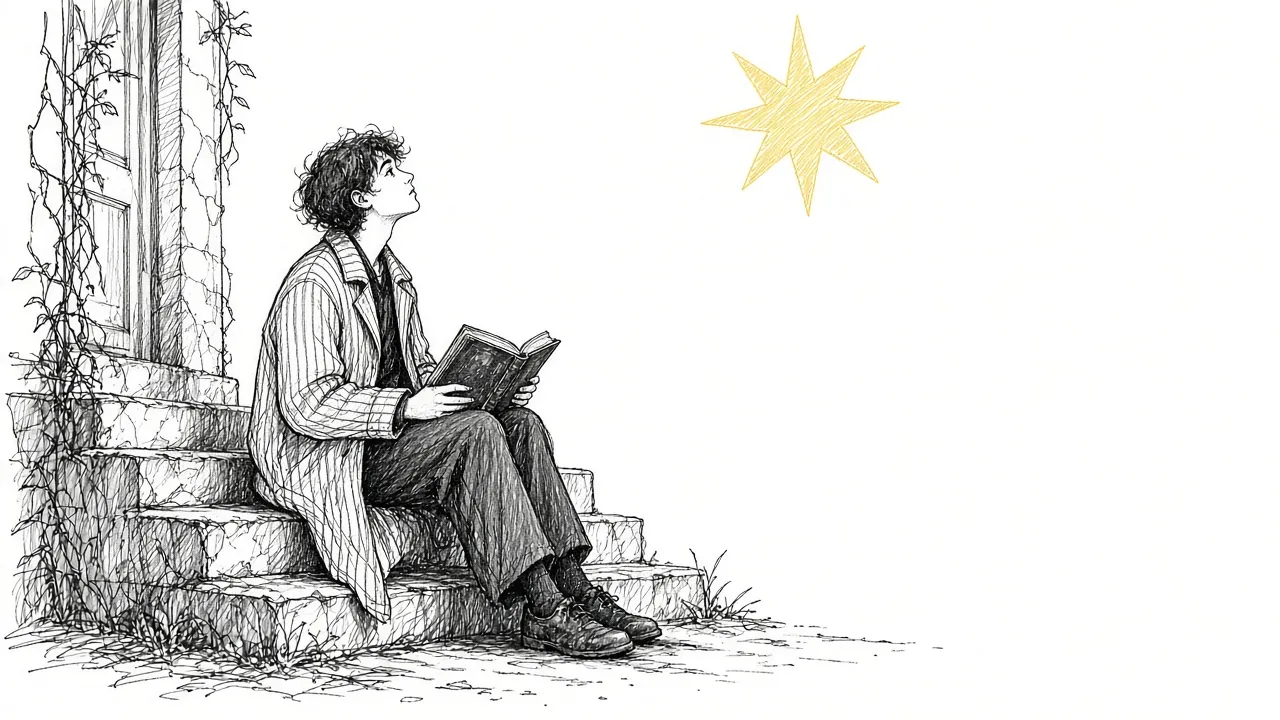
For many people, faith is a source of comfort in hard times. But when someone you love dies, faith can also become a source of confusion, anger, or pain. You may find yourself asking questions you never asked before. Where was God? Why did my prayers not work? What do I believe now?
If grief has shaken your faith, you are far from alone. Many deeply spiritual people go through seasons of doubt after a loss. Others find their faith grows stronger, or changes shape entirely. This guide explores what it can feel like when grief and faith collide, and how to hold both with honesty and care.
This guide is written for people of any faith tradition, or none. It does not promote any particular belief. It simply aims to make room for whatever you are feeling.
Why loss can unsettle belief
Faith often offers a sense of order and meaning. It can promise protection, purpose, and a reason behind events. When a death feels senseless, unfair, or unbearably painful, those promises can feel broken.
You might struggle with questions like:
- Why would a loving God allow this?
- Did I not pray hard enough?
- Is my loved one at peace?
- Why do I feel so far from God now?
- What if none of it is true?
These questions are not a sign of weak faith. Many religious traditions have long histories of people wrestling with grief and doubt. Questioning can be part of a faithful life.
Doubt is not the opposite of faith. Sometimes it is faith being honest about how much it hurts.
Different ways faith can respond to grief
People's spiritual responses to loss vary widely.
- Faith deepens. Some people find strength and comfort in their beliefs and community.
- Faith is questioned. Others find themselves doubting long held beliefs.
- Faith is lost. Some people step away from faith altogether, at least for a time.
- Faith changes shape. Beliefs may shift in ways that feel more personal or less certain.
- Faith is found. Some people who were not spiritual before discover spiritual meaning after a loss.
All of these responses are valid. None of them is a measure of how much you loved the person who died.
Anger at God
Many grieving people feel angry at God, or at the universe, for allowing the death. This anger can feel frightening or shameful, especially if you were raised to believe that anger toward God is wrong.
Yet many sacred texts contain cries of anger and lament. People in those stories rage, question, and demand answers. Expressing anger can be a way of staying in relationship rather than walking away.
If you feel angry, you might try:
- Writing your anger in a letter or prayer.
- Saying it out loud in a private place.
- Talking with a faith leader who welcomes hard questions.
When your community does not help
Faith communities can offer enormous support after a loss. They may bring meals, pray with you, hold memorial services, and check in for months. But sometimes, faith communities can also be a source of pain.
People may say things like:
- "Everything happens for a reason."
- "They are in a better place."
- "God needed another angel."
- "God never gives you more than you can handle."
These phrases are usually meant kindly, but they can feel dismissive or even hurtful. They may suggest that you should not feel as sad as you do. If this happens, it is okay to set boundaries. You might say, "I know you mean well, but right now I just need someone to sit with me in the sadness."
Feeling distant from God
Some people describe feeling that God has gone silent after their loss. Prayer feels empty. Worship feels hollow. You might go through the motions without feeling anything.
This experience is common enough that many traditions have names and teachings about it. Spiritual dryness can be a natural part of grief, especially when you are exhausted and numb. It often lifts with time. You do not have to force feelings that are not there.
Questions about the afterlife
Many people find themselves thinking deeply about what happens after death. You may wonder where your loved one is now, whether they are at peace, or whether you will see them again.
For some, beliefs about the afterlife bring great comfort. For others, the uncertainty can be painful. You may find it helpful to talk with a faith leader, read writings from your tradition, or explore these questions with a counselor. There is no need to have it all figured out.
Spiritual practices that may help
Whether your faith feels strong or shaky, certain practices may bring some comfort.
Ritual
Lighting candles, saying prayers, visiting sacred places, or observing remembrance days can help you feel connected to your loved one and to something larger. Our guide to grief rituals shares more ideas.
Quiet reflection
Some people find comfort in quiet sitting, meditation, or prayer without words. Simply being still with your grief can be a spiritual act. Our guide to mindful grieving explores this gently.
Community
Even if you feel unsure about your beliefs, being with others in a place of worship or a spiritual group can offer comfort. You do not need to have answers to show up.
Reading and learning
Many traditions have texts, poems, or stories about loss. Reading how others have wrestled with grief can make you feel less alone.
Making meaning without certainty
For some, grief leads to a faith that feels less about having answers and more about living with mystery. You may find that you can hold both belief and doubt, both hope and fear. This kind of faith can feel less tidy, but more honest.
Others find meaning in other places, such as relationships, nature, or carrying their loved one's values forward. Our guide to grief and meaning explores this further.
When to talk to someone
If questions of faith are causing deep distress, you might consider talking to:
- A faith leader you trust.
- A chaplain, especially one who works with grieving people.
- A counselor who respects spiritual concerns.
You can also look for grief support groups based in your faith tradition, or groups that welcome all beliefs. If you are feeling hopeless or having thoughts of not wanting to live, please reach out right away.
A prayer or reflection for doubt
If you are unsure how to pray or reflect while doubting, you might try very simple words. Something like: "I do not understand. I am hurting. I miss them. Please stay with me in this." If prayer does not fit your beliefs, you might write the same words in a journal or say them quietly to yourself.
There is no need for polished language. Many people find that honest, simple words feel more true than anything formal. They allow you to stay connected to your spiritual life without pretending to feel more certain than you do.
A faith that can hold your grief
Grief can shake faith to its core. It can also, over time, lead to a deeper, more honest relationship with your beliefs, whatever they become.
You do not have to resolve your questions quickly. You do not have to choose between grief and faith. You can bring your grief, your anger, and your doubt into whatever spiritual life you have. Many people find that, eventually, their faith learns to make room for it all.
This article is for general information and support. It is not medical or mental health advice. If grief has become unbearable or you are thinking about harming yourself, call or text 988 right now.
Related reading
Losing a Partner: Grief After the Death of a Spouse
Losing a husband, wife, or partner changes every part of life. A guide to widowhood, identity, loneliness, and loving again.

Afraid You're Forgetting Them? Grief and Fading Memories
Many grieving people fear losing the sound of a voice or details of a face. Why memories fade and how to preserve them.

Grief After a Long Illness: Anticipatory Grief and Caregiving
Caring for someone through a long illness brings grief before and after death. A guide for caregivers on anticipatory grief and what comes next.