 murido
Grief Rituals: How Small Acts of Remembrance Change Things

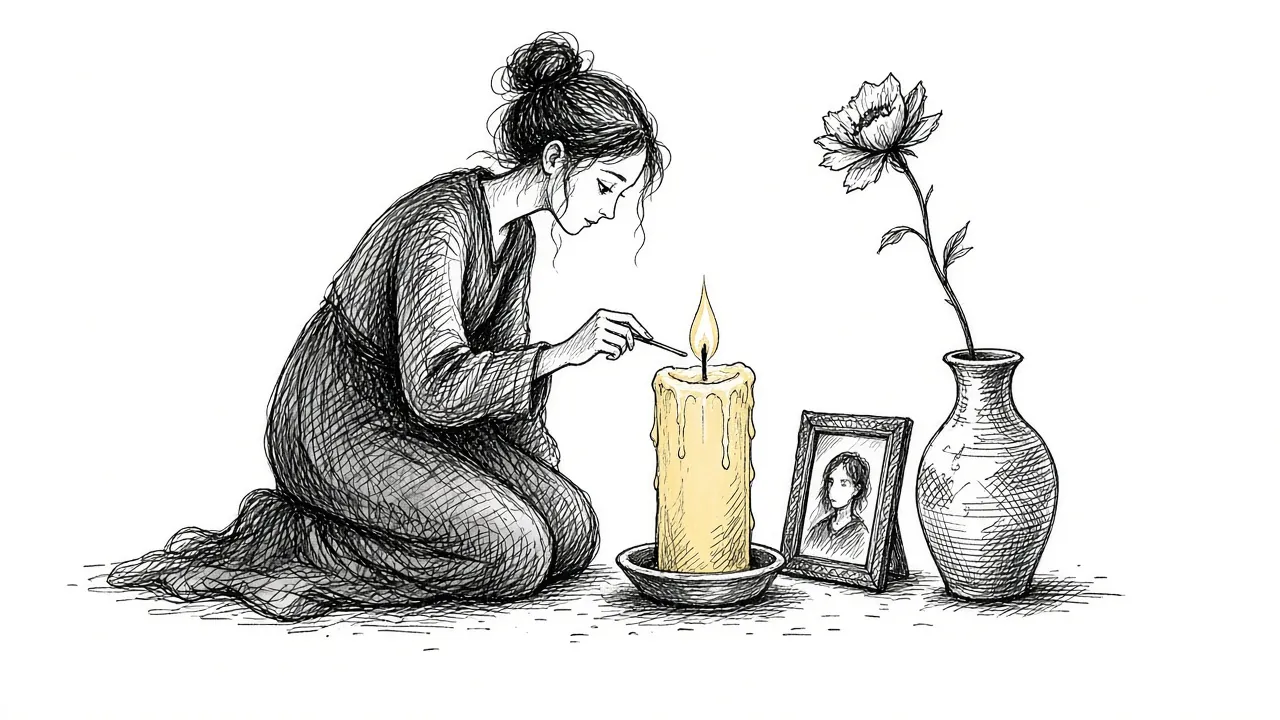
Humans have always marked loss with ritual. Candles lit in windows. Stones placed on graves. Songs sung at gatherings. Meals shared in memory. These acts give shape to something that often feels shapeless. They offer a way to say, "This person mattered, and I still remember them."
You do not need a formal tradition to benefit from ritual. Small, personal acts of remembrance can bring comfort, connection, and a sense of meaning. This guide explores why rituals help, different kinds you might try, and how to create rituals that fit your life and your loss.
Why rituals help
Rituals do something that words alone often cannot. They give grief a place to go. When you light a candle or visit a grave, you are taking a feeling and turning it into an action.
Rituals can help in many ways:
- They create structure in a time that can feel chaotic.
- They honor the person who died in a tangible way.
- They give permission to grieve, especially when daily life leaves little room.
- They connect you with others who are grieving the same person.
- They mark time, helping you move through anniversaries and milestones.
- They maintain connection, offering a way to keep the bond alive.
Many people find that rituals help them feel less helpless. There is something to do, a way to show love, even when the person is gone.
A ritual turns longing into something you can hold in your hands.
Kinds of grief rituals
Rituals can be big or small, public or private, traditional or entirely your own. Here are some categories that may spark ideas.
Everyday rituals
These are small acts woven into daily or weekly life.
- Lighting a candle each evening.
- Saying good morning to their photo.
- Wearing a piece of their jewelry.
- Drinking from their favorite mug.
- Taking a walk on the route you used to share.
Anniversary rituals
These mark meaningful dates, like birthdays, anniversaries, or the day they died.
- Cooking their favorite meal.
- Visiting the grave or a special place.
- Writing them a letter.
- Gathering friends and family to share stories.
- Doing something they loved, like going to the beach or watching a game.
Seasonal and holiday rituals
Holidays can be especially hard. Rituals can help acknowledge the empty chair.
- Hanging a special ornament in their honor.
- Setting a place at the table or saying their name in a toast.
- Donating to a cause they cared about.
- Sharing a favorite memory before a meal.
Creative rituals
These involve making something.
- Creating a memory book or scrapbook.
- Planting a tree or garden.
- Making art inspired by them.
- Writing poetry or songs.
- Turning their clothing into a quilt or pillow.
Community rituals
These involve others beyond your immediate circle.
- Participating in remembrance walks or events.
- Volunteering in their name.
- Holding a memorial gathering long after the funeral.
- Sharing a memory publicly, such as on social media or in a newsletter.
Creating your own ritual
The most meaningful rituals are often personal. Here are a few questions to help you create one.
- What did they love? Their hobbies, foods, music, places, and values can inspire rituals.
- What do you need? Comfort, connection, expression, or quiet reflection?
- When is it hardest? Morning, evening, holidays, or certain days of the week?
- Who do you want to include? Just you, close family, or a wider community?
- How much time and energy do you have? Rituals can be as simple as a single breath or as elaborate as a yearly event.
Start small. You can always change or add to a ritual over time.
Rituals for hard moments
Some rituals are especially helpful when grief feels overwhelming.
- A comfort object. Holding something of theirs during difficult moments.
- A grounding phrase. Repeating something like "I miss you, and I am still here."
- A grief box. A box with letters, photos, and keepsakes you open when you need to feel close.
- A writing practice. Writing to them whenever a wave hits.
If waves of grief feel frequent or intense, our guide to when grief feels overwhelming may help.
Rituals and continuing bonds
Many rituals are ways of maintaining a relationship with the person who died. This idea, known as continuing bonds, suggests that staying connected can be a healthy part of grief.
Rituals let you include your loved one in your life in a new way. They become part of your routines, celebrations, and memories, rather than disappearing entirely.
When rituals feel uncomfortable
Not everyone feels drawn to rituals. Some people feel awkward, self conscious, or unsure what to do. Others find that certain rituals bring up too much pain.
It is okay to try something and decide it is not for you. It is also okay if a ritual brings tears. That does not mean it is not working. Rituals often make space for grief to be felt.
If you feel unsure, you might start with something very simple, like saying their name out loud or lighting a candle for a few minutes. See how it feels.
Rituals across cultures and faiths
Many cultures and religions have rich traditions for honoring the dead. You may find comfort in practices from your own background, such as annual remembrance days, prayers, or offerings. You might also adapt traditions to fit your personal beliefs.
If your faith has been shaken by grief, rituals can still offer comfort, even if they feel different than before. Our guide to when grief shakes your faith explores this.
Rituals with children
Children often benefit from rituals because they offer a concrete way to express feelings. You might:
- Let them choose a song to play on the person's birthday.
- Create a memory jar where they can add notes.
- Plant flowers together.
- Make cards or drawings for the person.
Rituals can help children feel included in grieving and keep memories alive.
Letting rituals change
Your rituals may change over time. What feels essential in the first year may feel less needed later. New rituals may emerge as your life changes. This is natural.
Some people keep certain rituals for the rest of their lives. Others let them fade gently. Neither is wrong. What matters is that rituals continue to serve you.
A ritual for the hardest day of the week
Many grieving people notice that one day of the week is harder than the rest. Often it is the day you used to spend together, or the day they died, or simply Sunday evening, when the week ahead feels empty.
You might create a small ritual just for that day. It could be a walk at the same time each week, a phone call with someone who also misses them, or making a cup of their favorite tea and sitting for ten minutes with a photo. The ritual gives the hard day a shape and a purpose.
Over time, many people find the day feels less like something to dread and more like a regular appointment with the person they love.
Small acts, lasting love
Grief rituals do not need to be grand or perfect. A single candle, a quiet word, or a shared story can carry enormous meaning. These small acts of remembrance remind you that love continues, even after loss.
You can begin today, with something as simple as saying their name. Over time, these moments can become a steady thread connecting you to the person you miss.
This article is for general information and support. It is not medical or mental health advice. If grief has become unbearable or you are thinking about harming yourself, call or text 988 right now.
Related reading

Acceptance and Remembrance: Two Ideas That Shape Healthy Grief
How acceptance and remembrance work together to help people carry grief while staying connected to the person they lost.
Coping With Grief: A Practical Guide
Practical, everyday ways to cope with grief, from the first days through the months and years that follow.
Self-Compassion in Grief
Grieving people are often harsh with themselves. How self-compassion can ease guilt and help you carry loss.