 murido
What Actually Helps With Grief: Approaches That Work

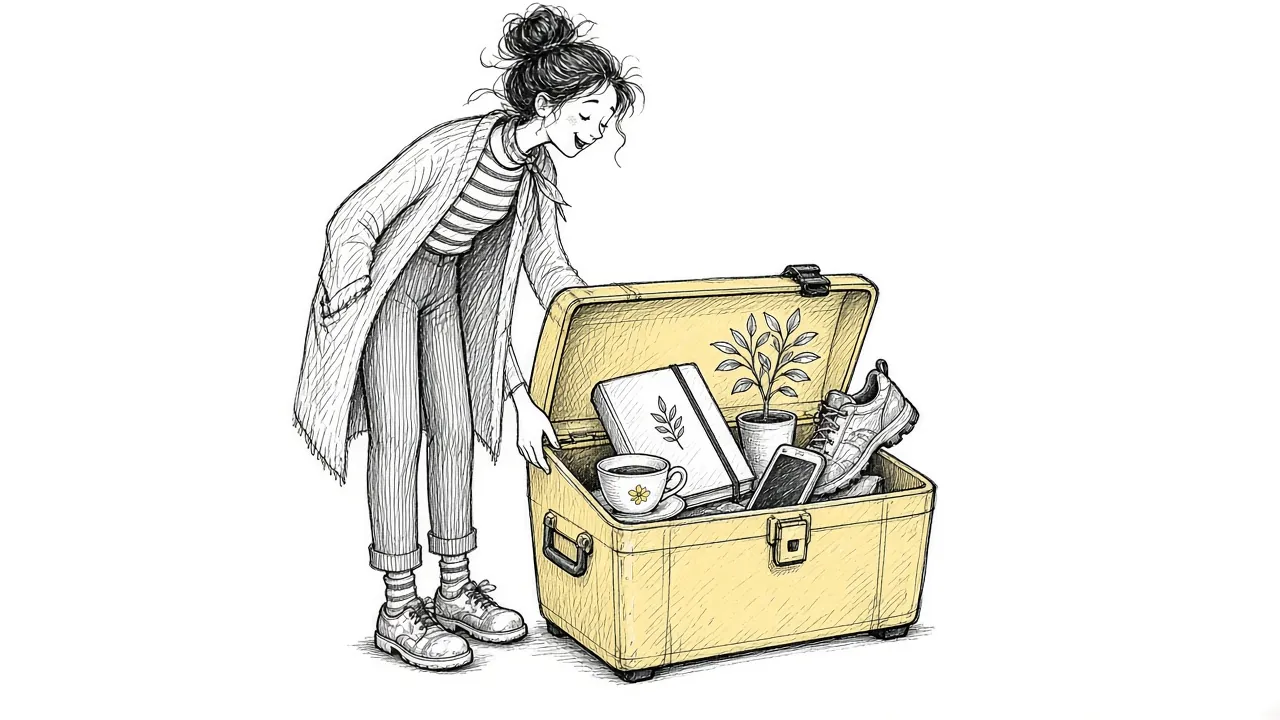
When you are grieving, everyone seems to have advice. Keep busy. Take a trip. Get a pet. Go back to work. Try therapy. Pray. Exercise. It can be overwhelming, and much of it may not fit you at all.
So what actually helps? There is no single answer that works for everyone. But there are some approaches that many grieving people, counselors, and researchers find genuinely useful. This guide gathers them together, with honest notes about what each one offers and what it does not.
First, what grief needs
Before looking at specific approaches, it can help to think about what grief needs in general. Most helpful approaches do some combination of the following:
- Make room for feelings instead of pushing them away.
- Stay connected to the person who died in a way that feels meaningful.
- Support the body, which often carries grief physically.
- Reduce isolation, so you are not carrying grief alone.
- Rebuild daily life, gradually, around the loss.
Approaches that do these things tend to help more than those that try to make grief disappear.
What helps most is rarely what makes grief go away. It is what makes grief easier to carry.
Approaches that often help
Letting yourself grieve
It might sound obvious, but one of the most helpful things is simply allowing yourself to grieve. That means crying when you need to, talking about the person, and not forcing yourself to be strong all the time.
Many people find that grief that is allowed tends to move more naturally than grief that is held back. Our guide to beyond fighting grief explains why leaning in can help.
Talking with people who understand
Connection is one of the most powerful supports in grief. This might be friends, family, a support group, or a counselor. What matters is feeling heard without being rushed or judged.
Support groups can be especially helpful because members have lived through similar losses. Many people say they feel understood in a group in a way they do not elsewhere.
Grief counseling or therapy
For many people, talking with a trained counselor helps. This is especially true if the death was traumatic, if grief feels stuck, or if it overlaps with depression or anxiety. Our guide to grief counseling explains what to expect.
Acceptance based approaches
Approaches that focus on acceptance and values can be particularly helpful for grief. Instead of trying to eliminate painful feelings, they help you make room for them while still living a life that matters to you. You learn to notice thoughts without being ruled by them, and to take small steps toward what you care about.
Continuing bonds
Many people find comfort in staying connected to the person who died. This might mean talking to them, keeping their belongings, writing letters, or carrying their values forward. Rather than "letting go," you find a new kind of relationship. Our guide to continuing bonds explores this.
Rituals
Small, intentional acts of remembrance can be grounding. Lighting a candle, visiting a grave, cooking their favorite meal, or holding a yearly gathering can help you honor the person and give grief a place to go. Our guide to grief rituals has many ideas.
Writing and reflection
Journaling, letter writing, or simply jotting down memories can help untangle thoughts and feelings. Writing can also preserve memories you are afraid of losing.
Taking care of your body
Grief affects sleep, appetite, energy, and immunity. Basic care can make a real difference:
- Eat regular meals, even if small.
- Move your body gently each day.
- Try to keep a steady sleep routine.
- Spend some time outdoors.
- Limit alcohol.
Our guide to the physical side of grief explains why.
Mindfulness
Mindfulness practices can help you stay present with grief without being swept away. Even a few minutes of slow breathing or a mindful walk can help. Our guide to mindful grieving offers simple practices.
Approaches that help some people
Some approaches help certain people a great deal and others very little. It can be worth experimenting.
- Creative expression, such as art, music, or crafts.
- Spiritual practices, such as prayer, meditation, or attending services.
- Volunteering, especially for causes connected to the person who died.
- Time in nature, like hiking, gardening, or sitting by water.
- Physical activity, from yoga to running.
- Animal companionship, which can provide comfort and routine.
What often does not help much
Some common approaches can backfire, especially when used as the main way of coping.
Constant busyness
Staying busy can provide a break. But when busyness becomes a way of never feeling anything, grief can build up underneath.
Avoiding all reminders
Avoiding everything connected to the person may feel safer in the short term, but it can make life smaller and grief more intense over time. Our guide to breaking the avoidance cycle explains why.
Numbing with substances
Alcohol or other substances may dull pain temporarily but tend to deepen low moods and disrupt sleep.
Making big decisions too quickly
Selling the house, moving cities, or making major life changes very early can lead to regret. Many counselors suggest waiting, unless the change is necessary.
Forcing yourself to be "over it"
Pressure to move on, from yourself or others, often makes grief harder.
When medication can help
Grief itself is not an illness, and medication does not treat grief directly. But if grief overlaps with depression, severe anxiety, or sleep problems, medication may help some people. This is a decision to make with a doctor. Our guide to grief alongside depression and anxiety explains the overlap.
Finding what works for you
Everyone grieves differently. What helps your sibling or friend may not help you. It can be useful to approach grief support with curiosity:
- Try something for a few weeks.
- Notice whether it helps you feel more connected, more grounded, or less alone.
- Keep what helps. Let go of what does not.
- Come back to things later. Something that did not help in the first month may help in the second year.
Getting help when you need it
If grief is making it very hard to function, if you are having thoughts of not wanting to live, or if you feel stuck in intense pain for a long time, please reach out for professional support.
Trying one thing for two weeks
With so many options, it can be hard to know where to start. One approach is to pick a single thing from this guide and try it for two weeks. Maybe a ten minute walk each morning, a weekly support group, or writing one memory each night.
At the end of two weeks, ask yourself honestly: do I feel even slightly more steady, connected, or understood? If yes, keep it and consider adding something else. If no, let it go without guilt and choose something different. This small, patient testing can help you build your own set of supports, one piece at a time, instead of trying to do everything at once.
Grief that has room to breathe
There is no perfect formula for grief. But many people find that what helps most is a mix of allowing feelings, staying connected, caring for the body, and leaning on others. These are not quick fixes. They are ways of making room for grief in a life that continues.
You do not have to find all the answers at once. Even one small helpful thing today is enough.
This article is for general information and support. It is not medical or mental health advice. If grief has become unbearable or you are thinking about harming yourself, call or text 988 right now.
Related reading

Acceptance and Remembrance: Two Ideas That Shape Healthy Grief
How acceptance and remembrance work together to help people carry grief while staying connected to the person they lost.

Coping With Grief: A Practical Guide
Practical, everyday ways to cope with grief, from the first days through the months and years that follow.

Self-Compassion in Grief
Grieving people are often harsh with themselves. How self-compassion can ease guilt and help you carry loss.