 murido
Breaking the Avoidance Cycle in Grief

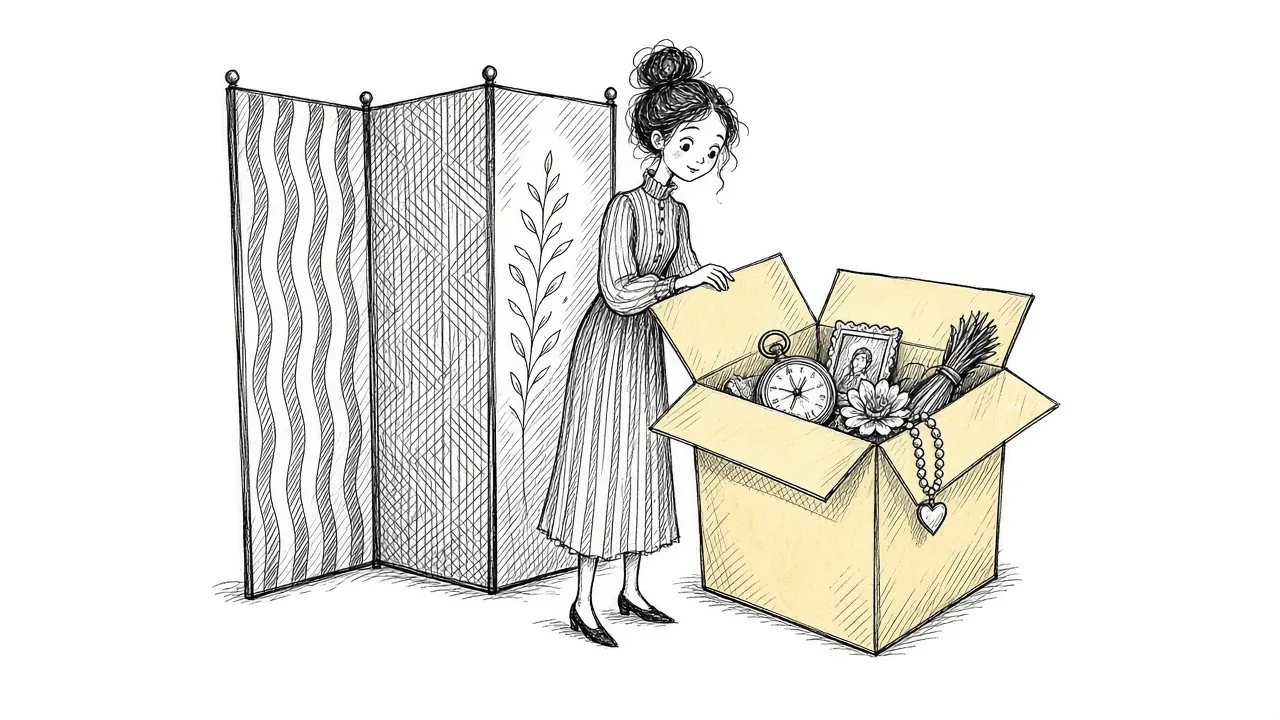
After a loss, it is natural to steer away from things that hurt. You might skip the street where they lived, put their photos in a drawer, change the radio station when their song comes on, or say "I am fine" when someone asks how you are doing. In the short term, this can feel like relief.
But avoidance has a way of quietly growing. What starts as skipping one place can become skipping many. What begins as not talking about them can become not feeling anything at all. Over time, avoidance can keep grief stuck in place. This guide explains how the avoidance cycle works and offers gentle ways to step out of it.
What avoidance looks like in grief
Avoidance can show up in obvious and subtle ways. You might recognize some of these:
- Avoiding places, like their home, the hospital, or favorite spots.
- Avoiding reminders, like photos, belongings, music, or smells.
- Avoiding conversations about the person or the death.
- Avoiding feelings, by staying busy, scrolling, drinking, or working long hours.
- Avoiding thoughts, by pushing memories away whenever they arise.
- Avoiding people, especially those connected to the person who died.
- Avoiding dates, like birthdays or anniversaries, by pretending they are ordinary days.
None of these are wrong in themselves. Taking breaks from grief is healthy. Avoidance becomes a problem when it is the main way of coping and starts to shape your life.
How the cycle works
Avoidance follows a fairly predictable pattern.
- A reminder appears. You see their photo, pass their street, or a memory pops into your head.
- Pain rises. Sadness, longing, guilt, or fear show up.
- You avoid. You look away, change the subject, leave the room, or distract yourself.
- Relief comes. The pain fades quickly, and you feel better for a moment.
- Your brain learns. Avoiding made the pain go away, so it must be the right thing to do.
- The next reminder feels bigger. Because you have not faced it, the reminder feels even more threatening next time.
Over time, the list of things you avoid grows longer, and the feelings attached to them grow stronger.
Avoidance brings quick relief, but it often charges interest.
Why avoidance keeps grief stuck
Grief needs some room to move. When feelings are allowed, they tend to rise and fall like waves. When feelings are avoided, they can build up and stay raw.
Avoidance can also prevent you from learning that you can handle hard feelings. Each time you avoid, you miss the chance to discover that the wave would have passed. This can make grief feel more frightening over time.
In some cases, strong and persistent avoidance is linked with grief that stays intense for a long time. Our guide to prolonged grief explains more.
Breaking the cycle gently
Stepping out of avoidance does not mean throwing yourself into the most painful situations all at once. It means slowly and kindly turning toward what you have been avoiding, at a pace that feels manageable.
Notice what you avoid
Start by simply noticing. For a week, jot down moments when you steer away from something connected to your loss. You might be surprised how often it happens, or by patterns you had not noticed.
Make a ladder
Write down the things you have been avoiding and rank them from easiest to hardest. For example:
- Looking at one photo for a minute.
- Listening to a song you used to share.
- Saying their name out loud.
- Visiting a favorite café.
- Opening their closet.
- Visiting the cemetery.
- Going back to the hospital.
Start with something near the bottom of the ladder.
Take a small step
Choose one item and try it. Stay with the feelings that come up. Notice them, name them, and breathe. You do not need to make the feelings go away. When the moment passes, notice that you got through it.
Repeat
Doing the same step more than once often makes it easier. What felt overwhelming the first time may feel more bearable the third time. Then you can move up the ladder.
Be kind to yourself
Stepping out of avoidance is hard. Praise yourself for trying, even if it did not go perfectly. Our guide to self compassion in grief has gentle ways to support yourself.
Willingness as an alternative
A helpful idea for breaking avoidance is willingness. Instead of asking "How do I stop feeling this?" you ask "Am I willing to feel this, so that I can do what matters to me?"
For example, you might be willing to feel sadness so that you can attend your grandchild's birthday party at the park where you used to walk with your spouse. The sadness is still there. But you are not letting it decide where you can go.
Our guide to willingness versus willpower in grief explores this more deeply.
Avoiding thoughts and memories
Avoidance does not only apply to places and objects. Many grieving people try hard not to think about their loved one or the death. But pushing thoughts away often makes them come back stronger.
Instead of fighting memories, you might try:
- Allowing the memory to be there for a few moments.
- Noticing where you feel it in your body.
- Saying to yourself, "This is a memory. I can let it be here."
- Gently returning your attention to the present when you are ready.
If memories feel intrusive or distressing, our guide to intrusive memories after a death may help.
When avoidance protects you
Sometimes avoidance is necessary. If you are in early grief and feeling overwhelmed, it is okay to take breaks. If facing a reminder would put you in danger, for example by triggering intense panic while driving, it makes sense to wait.
The aim is not to eliminate all avoidance. It is to notice when avoidance is limiting your life, and to slowly choose different responses when you are ready.
When to get help
If avoidance has grown to the point where you cannot leave the house, cannot work, or cannot be around people, it may help to talk with a counselor or therapist. Approaches that gently help people face difficult feelings and reminders can be very effective. Our guide to grief counseling explains what support can look like.
Inviting someone along
Stepping toward avoided things can be easier with company. Choose one item on your ladder and invite a trusted person to join you. Tell them ahead of time what you are doing and what you might need, such as quiet, a hand to hold, or help leaving if it gets too much.
Having someone beside you can make the step feel safer. It also gives you someone to talk with afterward about how it went. Many people find that sharing these moments brings them closer to the people who also miss the person who died.
Stepping back into your life
Breaking the avoidance cycle is not about forcing yourself to hurt. It is about reclaiming parts of your life that grief has taken. Each small step toward what you have been avoiding is a step toward a life that holds both your loss and your love.
You do not need to do it all at once. You only need to take the next small step when you are ready. Over time, many people find that the things they avoided become places of connection rather than fear.
This article is for general information and support. It is not medical or mental health advice. If grief has become unbearable or you are thinking about harming yourself, call or text 988 right now.
Related reading

Acceptance and Remembrance: Two Ideas That Shape Healthy Grief
How acceptance and remembrance work together to help people carry grief while staying connected to the person they lost.
Coping With Grief: A Practical Guide
Practical, everyday ways to cope with grief, from the first days through the months and years that follow.
Self-Compassion in Grief
Grieving people are often harsh with themselves. How self-compassion can ease guilt and help you carry loss.