 murido
Continuing Bonds: Why Staying Connected Transforms Grief

For a long time, much of the advice given to grieving people centered on letting go. Say goodbye. Move on. Find closure. The idea was that healthy grief meant gradually detaching from the person who died so you could invest your energy elsewhere.
Many grieving people quietly found that this did not match their experience. They still talked to their mother. They still wore their husband's watch. They still asked themselves what their best friend would say. And they were not falling apart. Often, these connections were what helped them keep going.
Grief researchers took notice, and the idea of continuing bonds emerged. This guide explains what continuing bonds are, why they can be healthy, and how to find a connection that fits your life.
What continuing bonds means
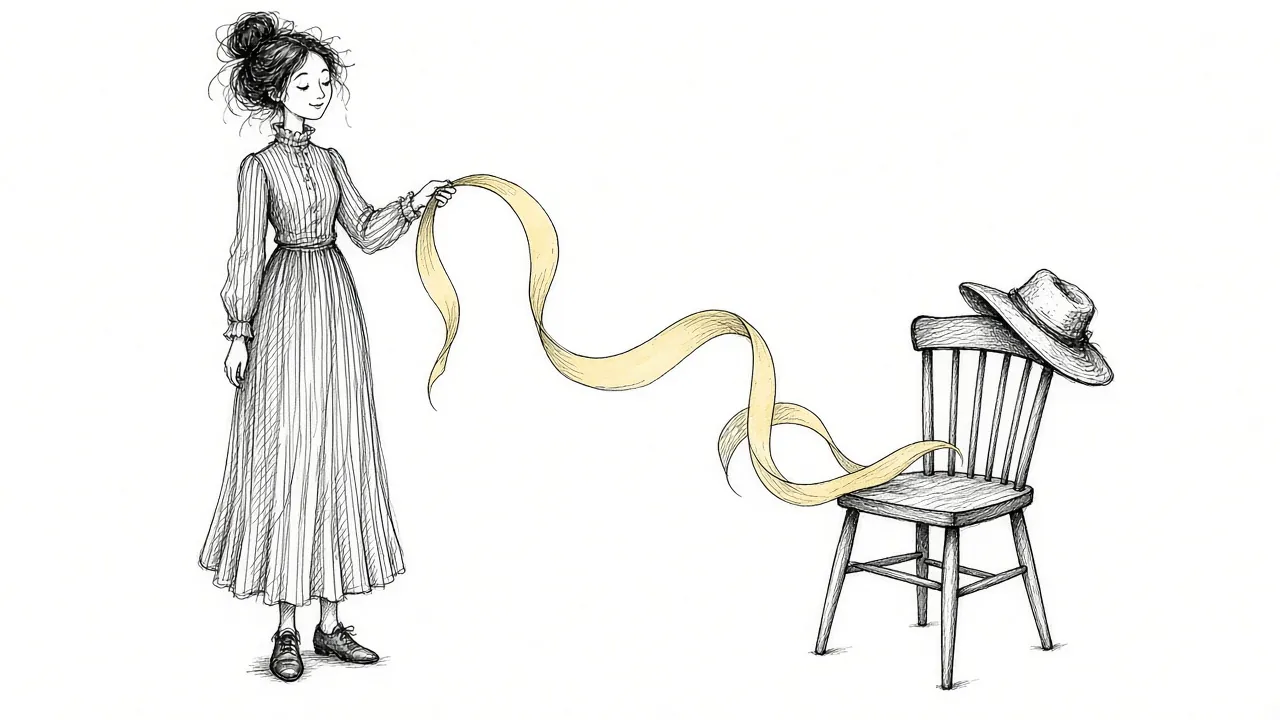
Continuing bonds is the idea that the relationship with someone who has died does not have to end. It changes form. Instead of a relationship with a living person, it becomes a relationship with their memory, their influence, their values, and their place in your story.
This is not about denying the death. People with healthy continuing bonds know the person is gone. They simply carry them forward in ways that feel meaningful.
Love does not need the other person to be in the room. It can keep going, in a new form, for the rest of your life.
Why it can help
Continuing bonds can bring:
- Comfort. Feeling connected can ease the sense of total loss.
- Identity. The person who died shaped who you are. Keeping that alive keeps part of you intact.
- Meaning. Living out their values, or doing things they loved, can give the loss some purpose.
- Continuity. Your life story does not have to break in two. They can stay a part of it.
For many people, the pressure to let go adds a second layer of pain. Knowing that staying connected is normal and healthy can be a relief.
Ways people stay connected
There is no right way to keep a bond. Here are some of the many ways people do it.
Talking to them
Many people speak to their loved one, out loud, in their head, at the grave, or in the car. Some ask for advice. Some share news. Some simply say good morning.
Writing to them
Letters, journals, and notes can be a way to say what was left unsaid or to keep them updated on life. Writing can also help sort through complicated feelings. We go deeper on unfinished endings in Grieving an Imperfect Goodbye.
Keeping their things
A sweater, a mug, a recipe card in their handwriting. Objects can hold a sense of presence. Some people keep many things. Some keep one. Both are fine.
Carrying on their traditions
Cooking their signature dish at the holidays, visiting their favorite place, or keeping a ritual they started can keep them woven into family life. Our guide to grief rituals has more ideas.
Living their values
Some people honor a loved one by taking on something they cared about: volunteering, being generous in the way they were, or finishing a project they started.
Telling their stories
Sharing memories with others keeps the person present in conversation. It also lets you learn new things about them from people who knew different sides of them.
Sensing their presence
Many grieving people report moments of feeling their loved one near, through a dream, a sign, or a sudden sense of closeness. These experiences are common and often comforting.
Bonds that change over time
A continuing bond is not fixed. In the first months, it may look like talking to them every day or keeping their phone charged. Years later, it might be quieter: a thought on their birthday, a phrase of theirs that slips into your speech, a choice you make because you know they would have liked it.
That shift is not the bond fading. It is the bond settling into your life in a way that leaves room for everything else. Many people find that the connection becomes less painful and more woven in, the way a scar becomes part of the skin. If the bond looks different than it did a year ago, it is probably still there. It has simply grown up alongside you.
Bonds when others grieve differently
Families often disagree about how to stay connected. One sibling wants the house kept as it was. Another wants to sell. One parent talks about the child who died every day, while the other cannot say their name. These differences can cause real friction. It may help to remember that there is no single right bond. Each person is finding their own way to keep loving the same person, and there is usually room for more than one way at once.
When a bond feels unhealthy
Continuing bonds are generally healthy, but a connection can sometimes become a way of avoiding the reality of the loss. A few signs that a bond might be keeping you stuck rather than supporting you:
- You believe, deep down, that they are not really gone.
- You cannot make any changes to their room or belongings, even after a long time, and the thought causes intense panic.
- The bond keeps you from forming or keeping relationships with the living.
- You feel you must do certain things to keep them close, and great fear if you do not.
If any of these sound familiar, it does not mean you are doing something wrong. It may mean that grief has gotten stuck in a way that a counselor could help with. See Is It Grief or Something More? for more.
Continuing bonds in complicated relationships
Not every relationship was warm. If the person who died was difficult, hurtful, or distant, continuing bonds might look different. You might keep only certain parts of them, like a skill they taught you or a funny side you appreciated. You might use writing to say things you never could. Or you might choose a lighter bond, or none at all. You get to decide.
Helping children keep a bond
Children often benefit from being invited to stay connected. Ideas include:
- Making a memory box with photos and keepsakes
- Drawing pictures or writing letters to the person
- Sharing stories at bedtime
- Marking birthdays with a favorite meal or activity
This teaches children that love lasts and that it is okay to keep remembering.
Building your own bond
If you are not sure where to start, consider a few gentle questions:
- What did they love that I could keep doing?
- What would I want to tell them today?
- Which object of theirs makes me feel closest to them?
- What did they teach me that I want to carry forward?
Your answers can point toward a bond that fits you.
A note on safety
Sometimes the longing to be with someone who has died can turn into thoughts of not wanting to be alive. If that happens, please reach out right away. Call or text 988 in the US to talk with someone at any hour.
Love that keeps going
You do not have to choose between grieving and staying connected. For many people, staying connected is how they grieve. The relationship changes, but it does not have to end. The person you lost can remain part of your story, your choices, and your heart for as long as you live.
This article is for general information and support. It is not medical or mental health advice. If grief has become unbearable or you are thinking about harming yourself, call or text 988 right now.
Related reading

Acceptance and Remembrance: Two Ideas That Shape Healthy Grief
How acceptance and remembrance work together to help people carry grief while staying connected to the person they lost.
Coping With Grief: A Practical Guide
Practical, everyday ways to cope with grief, from the first days through the months and years that follow.
Self-Compassion in Grief
Grieving people are often harsh with themselves. How self-compassion can ease guilt and help you carry loss.