 murido
Why Grief Hurts So Much: The Science of Attachment and Loss
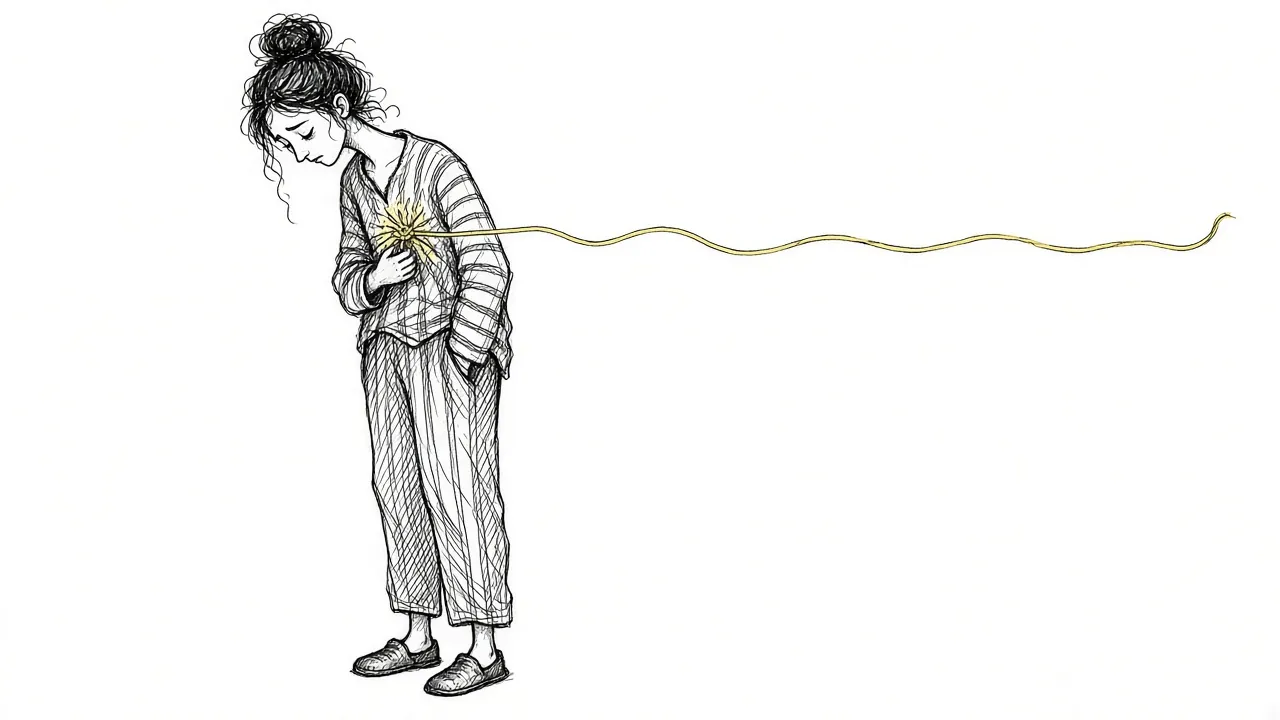
Grief can hurt in a way that almost nothing else does. People describe it as a physical ache, a hollowness, a heaviness that makes it hard to breathe. Some say it feels like a part of them has been torn away. If you have been surprised by how much grief hurts, there are good reasons for that.
This guide looks at why grief is so painful, drawing on what is understood about attachment, the brain, and the body. Understanding the why will not make the pain go away. But it can make it feel less frightening, and it can help you be gentler with yourself.
We are wired to bond
From the first days of life, humans form attachments. Babies bond with caregivers because their survival depends on it. That need for connection does not disappear as we grow up. It shapes our relationships with partners, children, parents, close friends, and even pets.
These bonds are not just emotional. They are built into our nervous systems. When someone we are attached to is near, our bodies tend to feel safer and calmer. Our routines, expectations, and sense of who we are become organized partly around them.
Loss breaks something the brain expects
When someone we love dies, the attachment does not end with them. The brain still expects them to be there. It still reaches for them in habits and thoughts. Every time that reaching meets absence, it hurts.
Researchers have suggested that the brain holds two conflicting pieces of information after a death. One part knows the person has died. Another part, built over years of relationship, still expects them to come back, to call, to walk through the door. The tension between these two pieces of knowledge is part of what makes grief so disorienting and painful.
The pain of grief is, in part, your brain trying to find someone it was built to find.
Grief activates the body's alarm systems
When an attachment is broken, the body can respond as if something is deeply wrong. Stress hormones rise. Sleep becomes disrupted. Appetite changes. Some people feel a constant sense of alarm or restlessness.
This is similar to how young children react when separated from a caregiver. They cry, search, and protest, because separation signals danger. Adults have more ways to understand what is happening, but the underlying system can react in similar ways.
That is why grief can feel so physical: tight chest, aching body, exhaustion, and a nervous system that feels on edge. See The Physical Side of Grief for more.
Why it hurts more for some losses
The intensity of grief often reflects the depth and nature of the bond. Losses that tend to hurt especially deeply include:
- A partner or spouse. Your daily life, identity, and future were intertwined. See Losing a Partner.
- A child. The loss can feel like it breaks the natural order of life.
- A parent. Especially early in life, or when the relationship was close or complicated.
- Sudden or traumatic deaths. There is no time to prepare, and shock adds to the pain.
- Losses others do not recognize. When grief is not acknowledged, it can feel lonelier and heavier.
There is no ranking of grief, though. Any loss can hurt deeply if the bond was meaningful to you.
Grief also hurts because of what comes with it
The death itself is the central loss, but grief often includes many other losses at the same time:
- The future you planned together
- Your role, such as caregiver, partner, or child
- Daily routines and rituals
- A sense of safety or fairness in the world
- Financial stability or a home
- Friendships that change after the death
Each of these secondary losses adds weight. Many people are surprised to find themselves grieving the life they had, not just the person.
Why the pain comes in waves
Grief rarely stays at a constant level. It often comes in waves, sometimes triggered by reminders and sometimes out of nowhere. One reason is that the brain keeps encountering reminders that the person is gone. Each one is a small moment of re-learning.
Over time, as the brain updates its expectations, the waves often become less frequent or less intense. That process is slow and uneven, but for many people it does happen. Our guide to Grief Waves explores this further.
Pain is not the same as harm
It is important to say: the pain of grief, as intense as it is, is usually not a sign that something has gone wrong with you. It is a sign that something precious has been lost. Pain in grief is a reflection of love.
That does not mean you should simply endure it. There are ways to care for yourself that can make the pain easier to carry.
What can ease the pain
1. Allowing it
Fighting grief tends to add more suffering. Letting yourself feel it, in manageable doses, can help it move through.
2. Comfort for the body
Since grief is physical, physical comfort can help. Warm baths, a weighted blanket, gentle movement, being outside, and rest can soothe an overworked nervous system.
3. Connection
Because grief is about a broken bond, other bonds can help. Being with people who care, even quietly, can ease the sense of alarm.
4. Staying connected to the person
Keeping a bond with the person who died, through memories, rituals, or conversations, can soften the feeling of being torn away.
5. Self-compassion
Treating yourself with kindness, rather than judgment, can lower the intensity of pain. Grief is hard enough without adding criticism.
Why it can hurt more at night
Many grieving people find that the pain is worst late in the evening or in the early hours of the morning. There are fewer distractions, the house is quiet, and the routines that once included the person, like saying goodnight or talking over the day, leave an obvious gap. Fatigue also lowers our ability to cope with strong feelings.
If nights are hard, small adjustments can help. Keep a light on in another room. Play quiet music or a familiar podcast. Keep a notebook by the bed for the thoughts that circle. Arrange a text with a friend you can send at night without expecting an answer right away. None of this removes the ache, but it can make the hours feel less empty.
When the pain feels unbearable
Sometimes grief hurts so much that people wonder how they will survive it. If you feel that way, please reach out to someone. A friend, a doctor, or a counselor can help you carry it.
If you are having thoughts of ending your life, call or text 988 to reach the Suicide and Crisis Lifeline. Someone is available any time.
Hurting because you loved
The reason grief hurts so much is the same reason the relationship mattered so much. You were bonded to someone. Your body, your mind, and your life were shaped by them. When they died, all of that had to change.
The pain is real, and it deserves care. It is also, in its own way, a measure of love. Over time, many people find that the sharpest pain softens, and what remains is a quieter ache, mixed with gratitude for having known them at all.
This article is for general information and support. It is not medical or mental health advice. If grief has become unbearable or you are thinking about harming yourself, call or text 988 right now.
Related reading
Grief Alongside Depression and Anxiety
Grief often arrives alongside other mental health challenges. How to recognize overlap and get support for all of it.
Why Your Brain Keeps Replaying Their Last Days
Memories of the final days or moments can loop relentlessly. Here is why that happens and how to let the rest of their life back in.
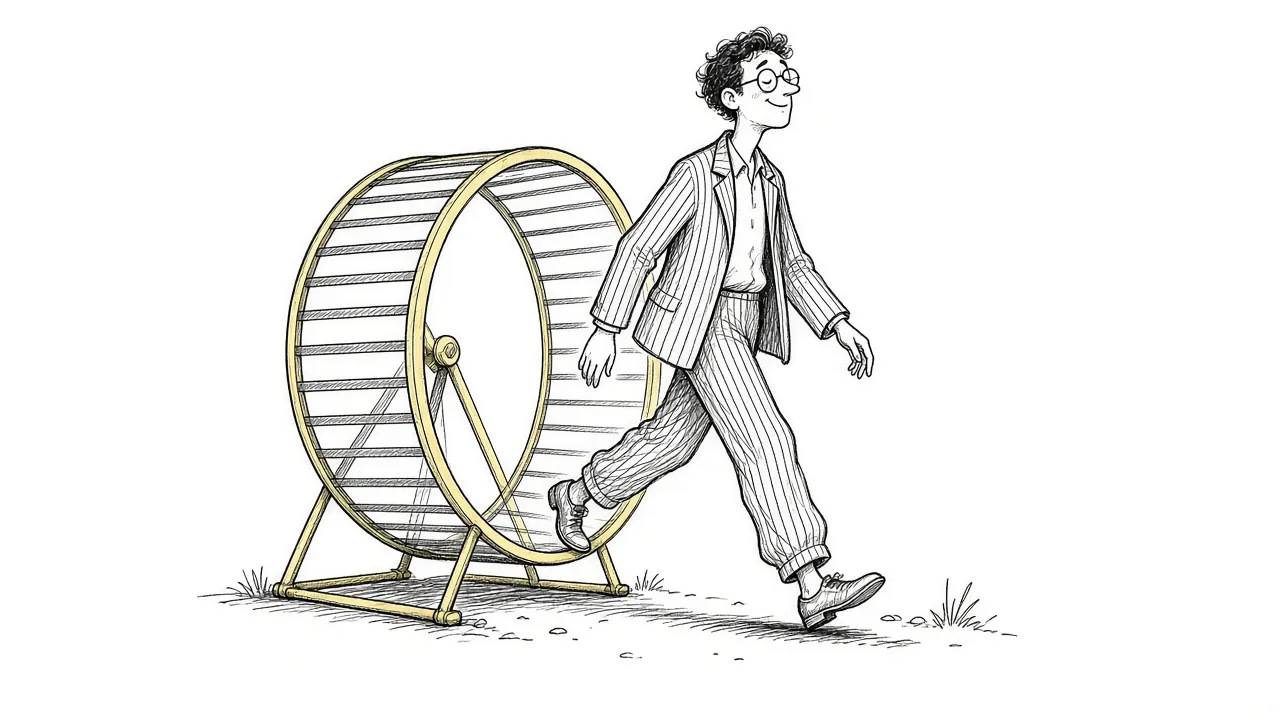
Rumination in Grief: Getting Off the "What If" Wheel
Endless what-ifs and if-onlys can trap grieving people. Learn why rumination happens and gentle ways to step off the wheel.