 murido
Checking Their Phone, Keeping Their Voicemail: Grief Habits and What They Mean

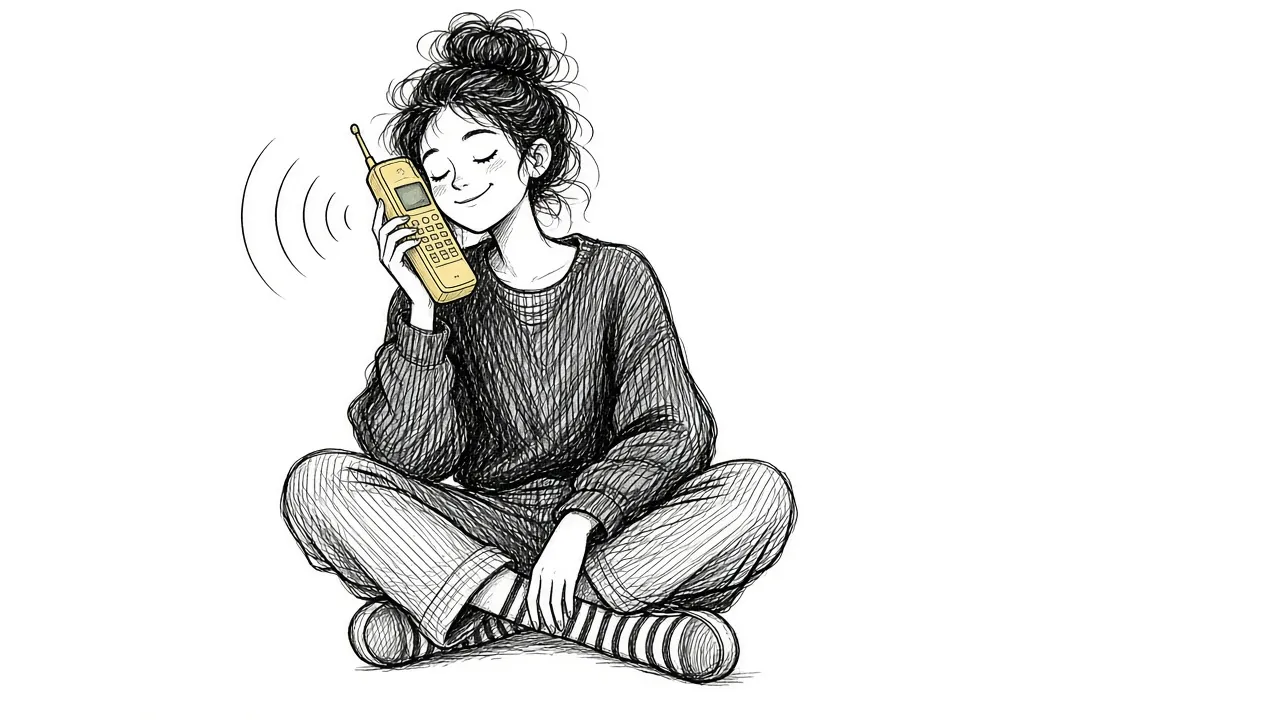
You still call their phone just to hear the voicemail. You keep their contact in your favorites. You set out two coffee mugs before you remember. You sleep on their side of the bed. You keep their toothbrush in the holder. You text them good night, even though you know no one will answer.
If you have habits like these, you may wonder whether they are normal, or whether they mean you are not coping well. This guide explores common grief habits, what they often mean, and how to tell when a habit is comforting you and when it might be keeping you stuck.
Common grief habits
Grieving people develop all kinds of small habits that help them feel connected to the person who died. Some of the most common include:
- Keeping their voicemail and listening to it often.
- Texting or messaging them with updates or feelings.
- Checking their social media profiles.
- Wearing their clothes or jewelry.
- Keeping their belongings in place, like shoes by the door or a coat on the hook.
- Talking to them out loud or in your head.
- Visiting their grave regularly.
- Setting a place for them at meals.
- Keeping their phone or contact active.
- Using their things, like their mug, pillow, or car.
If you recognize yourself in this list, you are in very good company.
Small habits like these are often love looking for somewhere to go.
Why these habits develop
Grief habits usually grow out of a deep need to stay connected. When someone dies, the relationship does not simply end in your mind and heart. You still love them, still miss them, and still want to share your life with them.
These habits can serve many purposes:
- Comfort. Hearing their voice or smelling their clothes can bring a sense of closeness.
- Connection. Talking or texting them can feel like the relationship continues.
- Memory. Keeping their things helps preserve details you are afraid of forgetting.
- Routine. Habits can provide structure during a chaotic time.
- Processing. Some habits help your mind slowly absorb the reality of the loss.
Our guide to continuing bonds explores how staying connected to the person who died can be a healthy part of grief.
When habits are helpful
Many grief habits are healthy and comforting. Signs that a habit is helping you might include:
- It brings a sense of warmth or closeness, even if it also brings tears.
- You can choose when to do it, rather than feeling compelled.
- It fits into your life without stopping you from doing other things.
- It helps you feel connected to them while still living your life.
For example, listening to their voicemail on their birthday, wearing their sweater on a hard day, or talking to their photo before bed may all be meaningful ways of keeping them close.
When habits might be keeping you stuck
Sometimes grief habits can shift from comforting to limiting. This does not mean you are doing anything wrong. It may simply mean the habit is no longer serving you in the way it once did.
Signs a habit might be getting in the way:
- You feel unable to stop, even when you want to.
- It causes significant distress each time, without any comfort.
- It takes up large amounts of time and crowds out other parts of life.
- It prevents you from accepting the reality of the death over a long period.
- Others in your life are worried or affected.
For example, checking their phone dozens of times a day, refusing to let anyone touch their belongings years later, or feeling panic when you cannot visit the grave every day may be signs that grief needs more support.
Habits and checking
Some grief habits are connected to anxiety rather than comfort. You might find yourself checking their phone for messages, rereading old texts repeatedly, or scrolling their social media in a way that feels driven rather than chosen.
These kinds of habits can work like the checking loop described in our guide to protective grief. They bring short term relief but can strengthen anxiety over time.
If this sounds familiar, you might try:
- Noticing the urge without acting on it right away.
- Delaying the habit for a few minutes.
- Choosing specific times for the habit rather than doing it whenever the urge strikes.
- Asking what feeling is underneath the urge.
Deciding what to keep
At some point, you may need to make practical decisions about things like their phone plan, social media accounts, or belongings. These choices can feel very hard, especially if they are tied to habits that bring comfort.
Some gentle approaches:
- Save voicemails and messages before closing accounts. Many phones let you export audio or screenshots.
- Memorialize social media profiles where possible, so they remain accessible.
- Keep a few special items in a dedicated place, like a memory box.
- Take photos of belongings before letting them go.
Our guide to making decisions after a loss can help you approach these choices.
Habits that change over time
Many people notice that their grief habits naturally shift. In the early months, you might listen to their voicemail every day. Later, you might save it for special occasions. You might eventually stop texting them but continue talking to them in your mind.
These changes are not signs that you are forgetting them or loving them less. They are signs that grief is finding a new shape. Our guide to why grief keeps changing shape explores this.
Talking about your habits
Many grieving people keep their habits private, worried others will think they are strange. But sharing them can be a relief. You may discover that friends or family members do similar things.
If someone you love is grieving, you might gently ask, "Do you have any little ways of feeling close to them?" This can open meaningful conversations.
When to reach out for support
If grief habits are causing you significant distress, taking over your life, or feel impossible to control, it may help to talk with a grief counselor. They can help you understand what the habits mean for you and find ways to stay connected that feel more balanced. You can read more in our guide to grief counseling.
Sharing habits across a family
In families, people often develop different grief habits. One person visits the grave every week. Another never goes. One keeps every text. Another deletes them. These differences can create quiet tension, as if one way of grieving is more loving than another.
It can help to talk openly about it. You might say, "Listening to his voicemail helps me. What helps you?" Hearing each other's habits can bring understanding and sometimes even new ideas. There is no single right way to stay close to someone who died. Each habit is one person's way of saying the same thing: I still love you.
Love in small actions
Grief habits are often quiet expressions of love. The voicemail you keep, the mug you use, the good night you whisper are all ways of saying "You still matter to me."
For many people, these habits are part of how they carry the person forward. There is no need to rush to give them up. The question is simply whether each habit is helping you live with your loss, and if it is, you can hold onto it for as long as you need.
This article is for general information and support. It is not medical or mental health advice. If grief has become unbearable or you are thinking about harming yourself, call or text 988 right now.
Related reading

Acceptance and Remembrance: Two Ideas That Shape Healthy Grief
How acceptance and remembrance work together to help people carry grief while staying connected to the person they lost.

Coping With Grief: A Practical Guide
Practical, everyday ways to cope with grief, from the first days through the months and years that follow.

Self-Compassion in Grief
Grieving people are often harsh with themselves. How self-compassion can ease guilt and help you carry loss.