 murido
Grief Alongside Depression and Anxiety


Grief is hard enough on its own. For many people, it does not arrive alone. It may come alongside depression that was already there, anxiety that flares after the loss, or new mental health challenges that seem to grow out of the grief itself.
When these overlap, it can be difficult to know what you are feeling, and even harder to know what will help. This guide explores how grief, depression, and anxiety can intertwine, how to recognize when more than grief is going on, and what kinds of support can make the weight more manageable.
Why they often show up together
There are several reasons grief, depression, and anxiety often appear together.
- Loss is a major stressor. Big stressors can trigger or worsen mental health conditions.
- Existing vulnerability. People with a history of depression or anxiety may find these return or intensify after a loss.
- Life changes. Losing a person can mean losing income, routines, support, and a sense of safety, all of which affect mental health.
- Physical strain. Disrupted sleep, poor appetite, and exhaustion can feed both depression and anxiety.
- Isolation. Grief can pull people away from others, which can deepen low mood and worry.
None of this means you are weak. It means you are carrying a lot at once.
When grief brings company, it is not a sign that you are grieving wrong. It is a sign that you may need more support than grief alone requires.
How grief and depression interact
Grief and depression share many symptoms: sadness, fatigue, sleep problems, and withdrawal. When both are present, it can feel like the darkness is everywhere.
Some signs that depression may be present alongside grief:
- A persistent low mood that rarely lifts, even with good memories or support
- Losing interest in almost everything, not just activities that remind you of the person
- Feelings of worthlessness that go beyond specific regrets
- Hopelessness about life in general
- Thoughts of death unrelated to wanting to be with the person
See Grief vs. Depression for a closer look at the differences.
How grief and anxiety interact
Loss can shake your sense of safety. It is common to feel anxious after a death, especially if it was sudden or traumatic. Anxiety in grief can look like:
- Fear that others you love will die
- Constant worry about your own health
- Panic attacks or sudden waves of dread
- Feeling on edge, jumpy, or unable to relax
- Avoiding places or activities that feel risky
- Racing thoughts, especially at night
Some anxiety after a loss is normal. It becomes a concern when it is intense, persistent, and interferes with daily life. Our guide on Protective Grief explores the fear of losing others.
When it is hard to tell them apart
Grief, depression, and anxiety can feel tangled together. You do not need to sort them out perfectly on your own. A few questions can help you notice what is going on:
- Is my pain focused on missing the person, or does everything feel dark?
- Are there moments of warmth or lightness, even brief ones?
- Am I mostly sad, mostly afraid, or both?
- Are my worries focused on realistic concerns, or have they spread to many areas of life?
- Have these feelings stayed the same for weeks without any easing?
Your answers can be useful to share with a doctor or counselor.
What tends to help
1. Talking with a professional
When depression or anxiety are present, professional support can make a big difference. A doctor, therapist, or grief counselor can help you understand what is happening and recommend options. See Grief Counseling: What It Is and What to Expect.
2. Therapy approaches that address more than grief
Some therapy approaches work well when grief is mixed with depression or anxiety:
- Cognitive behavioral therapy can help with patterns of thinking that keep you stuck.
- Acceptance and commitment therapy can help you make room for painful feelings while moving toward what matters.
- Trauma-focused therapy may help if the death was traumatic.
- Grief-specific therapy can address longing and adjustment directly.
3. Considering medication
For some people, medication can help with depression or anxiety, making grief more bearable. Medication does not erase grief or the love behind it. This is a decision to make with a doctor who knows your history.
4. Supporting your body
Sleep, food, and gentle movement matter even more when depression or anxiety are present. Small steps, like a short walk each day or a regular bedtime, can help.
5. Staying connected
Isolation tends to make all three worse. Even small contact, like a text or a short visit, can help. Support groups can offer understanding from people who have been there.
6. Being gentle with yourself
Carrying grief plus depression or anxiety is a lot. Lower your expectations. Celebrate small wins. Rest when you can.
Small daily anchors
When everything feels heavy, it can help to have a few small anchors in each day:
- Get outside, even for five minutes
- Eat one real meal
- Send one message to someone you trust
- Do one thing that brings a sliver of comfort
- Take three slow breaths when anxiety rises
These will not fix everything. But they can give each day a little structure and a few moments of steadiness.
When things feel urgent
Please seek help right away if:
- You are having thoughts of ending your life or harming yourself
- You feel unable to keep yourself safe
- You are having panic attacks that make it hard to function
- You cannot eat, sleep, or care for yourself for an extended time
If you are thinking about suicide, call or text 988 to reach the Suicide and Crisis Lifeline any time, day or night. You do not have to be in immediate danger to call.
If you already had depression or anxiety
If you were managing depression or anxiety before the loss, grief can feel like it knocks you off a hard-won footing. Old symptoms may return, or familiar coping strategies may stop working for a while. This is not a sign that you have undone all your progress. Let your existing doctor or therapist know about the loss. Treatment plans can be adjusted for a season, and the skills you built before may come back more quickly than you expect.
Small steps when everything feels heavy
When grief and depression or anxiety overlap, even simple tasks can feel enormous. It may help to break the day into very small steps. Instead of "get ready," try "sit up," then "put feet on the floor," then "drink some water."
Each small step counts. Write them down if that helps, and notice each one you finish. This is not about being productive. It is about giving your nervous system small signals of safety and movement. Over time, these small steps can make it easier to reach out for the larger support you may need.
You deserve full support
Grief alone is a heavy load. When depression or anxiety join it, the load becomes heavier, and it is not something you have to carry by yourself. Getting help is not giving up on your grief or loving the person any less. It is making space so that you can grieve them in a way that is safer and more sustainable. You deserve care for every part of what you are feeling.
This article is for general information and support. It is not medical or mental health advice. If grief has become unbearable or you are thinking about harming yourself, call or text 988 right now.
Related reading

Why Your Brain Keeps Replaying Their Last Days
Memories of the final days or moments can loop relentlessly. Here is why that happens and how to let the rest of their life back in.
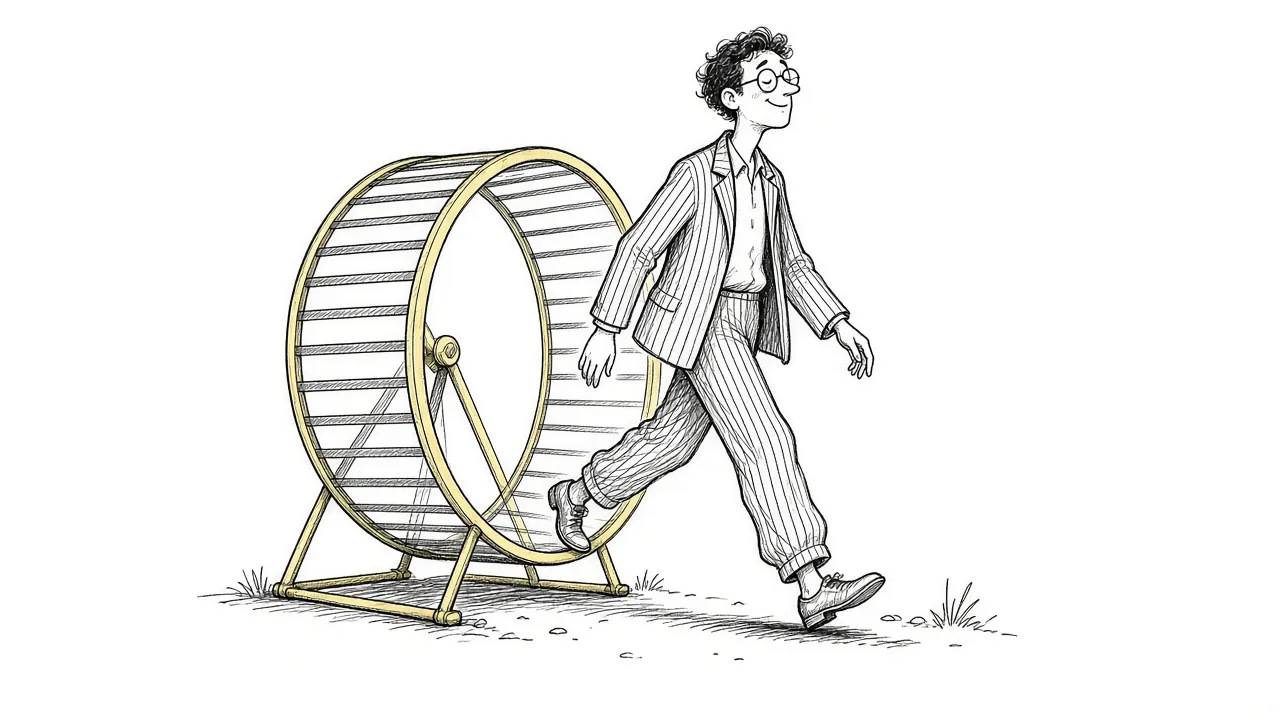
Rumination in Grief: Getting Off the "What If" Wheel
Endless what-ifs and if-onlys can trap grieving people. Learn why rumination happens and gentle ways to step off the wheel.
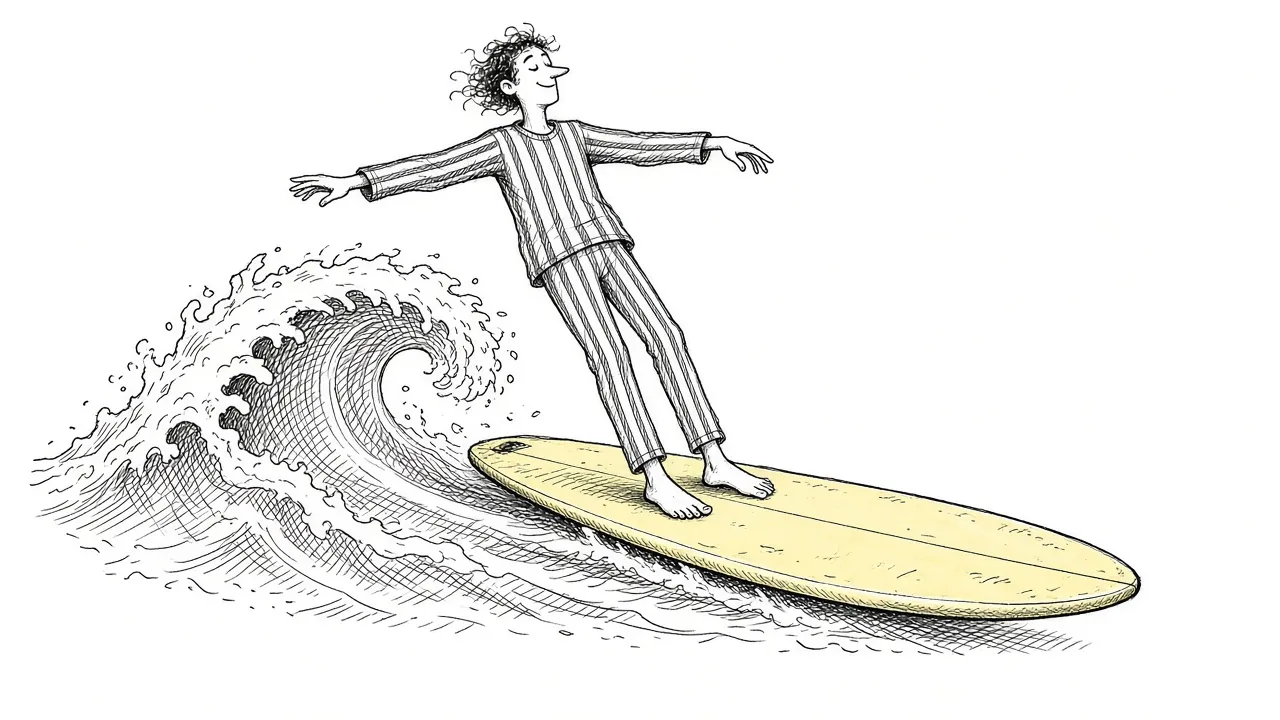
Grief Waves: Why It Comes Back and How to Ride It Out
Just when things feel steadier, a wave of grief hits. Why grief comes in waves and practical ways to get through them.