 murido
Why the First Time Doing Anything Without Them Feels Impossible

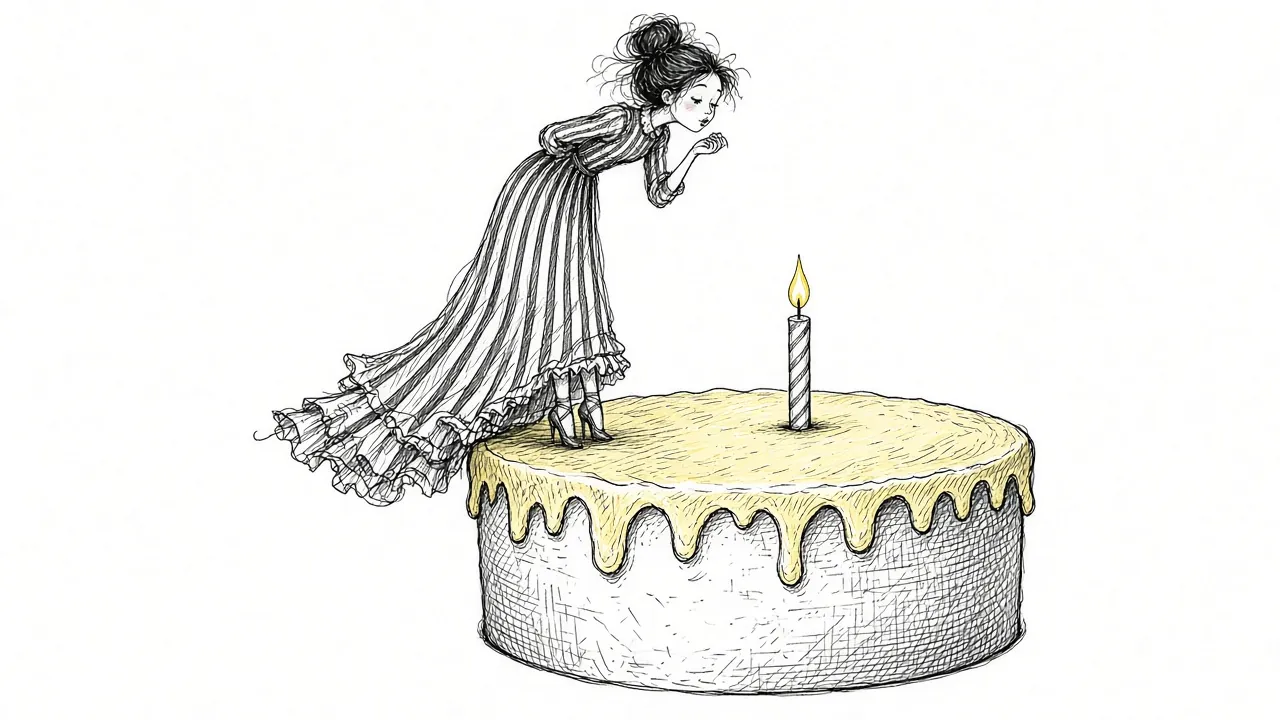
The first time you go to the grocery store and do not buy their favorite cereal. The first holiday with an empty chair. The first time you get good news and cannot call them. The first time you drive past their house knowing they are not inside.
Grief is full of firsts, and many of them catch you off guard. Some are expected, like the first birthday or anniversary. Others are tiny moments you never saw coming. This guide explores why firsts can feel so impossible, what tends to make them harder or easier, and how to move through them with a little more gentleness.
Why firsts hit so hard
Before a death, your life was full of routines and expectations built around the person you loved. Even small daily habits included them in some way. When they die, each of those habits now carries a gap.
The first time you face that gap, the loss becomes real in a new way. Your mind may know they are gone. But your heart and body learn it one experience at a time.
Every first is your heart learning, again, that they are not here.
That is why firsts can feel like fresh losses. They are moments when absence becomes concrete.
Expected firsts
Some firsts are easy to see coming. They often include:
- Their birthday.
- Your birthday.
- Wedding anniversaries.
- The anniversary of their death.
- Holidays and religious celebrations.
- Family events, like weddings, graduations, or births.
- Vacations or trips you used to take together.
These dates can bring anticipation and dread. Many people find that the days leading up to an anniversary are as hard as, or harder than, the day itself.
Unexpected firsts
Other firsts are smaller and often arrive without warning:
- Hearing their favorite song in a store.
- Cooking a recipe they used to make.
- Seeing their handwriting on an old note.
- Filling out a form that asks for an emergency contact.
- Going to a restaurant you used to visit together.
- Laughing at something they would have loved.
- Changing the voicemail on a shared phone.
These moments can feel like being ambushed by grief. Our guide to grief waves explains why grief often comes in sudden surges.
Why the anticipation can be worse
Many people notice that the dread before a first is worse than the first itself. Your mind may imagine every way the day could go wrong, and that anxiety can build for weeks.
When the day arrives, it may be very hard. But sometimes it is less unbearable than you feared. That does not mean you did not love them. It may mean you have already been grieving it in advance.
Ways to prepare for expected firsts
There is no way to make firsts painless. But some planning can help.
Decide how you want to spend the day
Ask yourself what you need. Do you want to be with people or alone? Do you want to honor the person in a special way, or keep the day low key?
Make a plan and a backup plan
It can help to have a plan and an escape route. For example, you might go to a family dinner but drive yourself so you can leave early if needed.
Tell people what you need
Let friends and family know how they can support you. You might say, "Mom's birthday is next week. I would love a text that day," or "I need some quiet time on the anniversary."
Create a ritual
Many people find comfort in a ritual on important dates: lighting a candle, visiting a grave, cooking their favorite meal, or sharing memories. Our guide to grief rituals has more ideas.
Lower expectations
The day does not need to be perfect. Let it be messy. If you cry through the holiday meal, that is okay. If you laugh, that is okay too.
Getting through unexpected firsts
When a first arrives out of nowhere, you may not have time to prepare. In those moments:
- Pause. Take a slow breath and notice what is happening.
- Name it. "This is the first time I have done this without them."
- Let the feeling come. Allow tears or sadness if you can.
- Ground yourself. Notice your feet on the floor or something you can see and touch.
- Be kind to yourself. Say something gentle, like "Of course this is hard."
Afterward, you might jot down what happened. Some people find it helpful to keep a list of firsts they have faced, as a reminder of how much they have already carried.
Holidays without them
Holidays can be especially hard because they are often full of traditions and family expectations. The empty chair may feel louder than anything else.
Some ideas families have found helpful:
- Keep some traditions and change others.
- Set a place at the table or light a candle in their honor.
- Invite everyone to share a favorite memory.
- Give yourself permission to skip events that feel too painful.
- Start a new tradition that honors them.
There is no right way to spend a holiday after a loss. What matters is finding something that feels bearable for you.
The first year, and beyond
Many people say the first year is the hardest, because it is full of firsts. Once you have gone through each holiday and anniversary once, you know what to expect.
But some people find that the second year brings its own challenges. The shock has worn off, and others may expect you to be "over it." Our guide to why grief can feel worse in year two explains why this happens.
Firsts can also continue long after the first year. The first time your child graduates without their grandparent. The first time you move to a new home. The first time you meet someone they will never know. These later firsts can bring grief back in a strong way.
When firsts feel too heavy
If firsts are leaving you overwhelmed for long periods, or if you are dreading upcoming dates so much that it affects your daily life, it may help to talk with someone. A grief counselor can help you plan for hard days and process the feelings they bring. You can learn more in our guide to grief counseling.
Keeping a list of firsts you have survived
Some people keep a simple list titled "Firsts I got through." Each time a first passes, they add it: the first grocery trip, the first birthday, the first time hearing their song in public. Next to each one, they might write a single line about what helped.
On hard days, reading the list can be a reminder that you have already faced many moments you thought you could not survive. It also becomes a record of what tends to help you, which you can lean on the next time a first appears on the horizon.
Every first is a step
Each first you face is part of learning to live in a world without them. It does not mean you are leaving them behind. It means you are carrying them into new moments.
Over time, many people find that firsts become seconds and thirds, and that each one is a little more bearable. The love remains, and so does the missing. But you learn, slowly, that you can keep going, and that they can come with you.
This article is for general information and support. It is not medical or mental health advice. If grief has become unbearable or you are thinking about harming yourself, call or text 988 right now.
Related reading

Acceptance and Remembrance: Two Ideas That Shape Healthy Grief
How acceptance and remembrance work together to help people carry grief while staying connected to the person they lost.
Coping With Grief: A Practical Guide
Practical, everyday ways to cope with grief, from the first days through the months and years that follow.

Self-Compassion in Grief
Grieving people are often harsh with themselves. How self-compassion can ease guilt and help you carry loss.