 murido
Beyond the Five Stages: How Acceptance Changes the Way We Grieve
Denial, anger, bargaining, depression, acceptance. For decades, the five stages have been the most familiar way of talking about grief. They show up in movies, sympathy cards, and conversations with well meaning friends. Many grieving people know them by heart.
And yet many grieving people also find that the stages do not match what they are living through. Their grief does not move in order. It loops back. Some stages never show up at all. Others last for years. If you have ever wondered whether you are "doing grief wrong" because you do not fit the model, this guide is for you.
Here we look at where the five stages came from, why they are often misunderstood, and how a more flexible, acceptance based view of grief can feel more true to life.
Where the five stages came from
The five stages were first described by a psychiatrist who worked with people who were dying, not with people who were grieving a death. She was trying to describe the emotional responses she noticed in her patients as they faced their own mortality. Over time, the model was applied to bereavement and became a popular shorthand for grief in general.
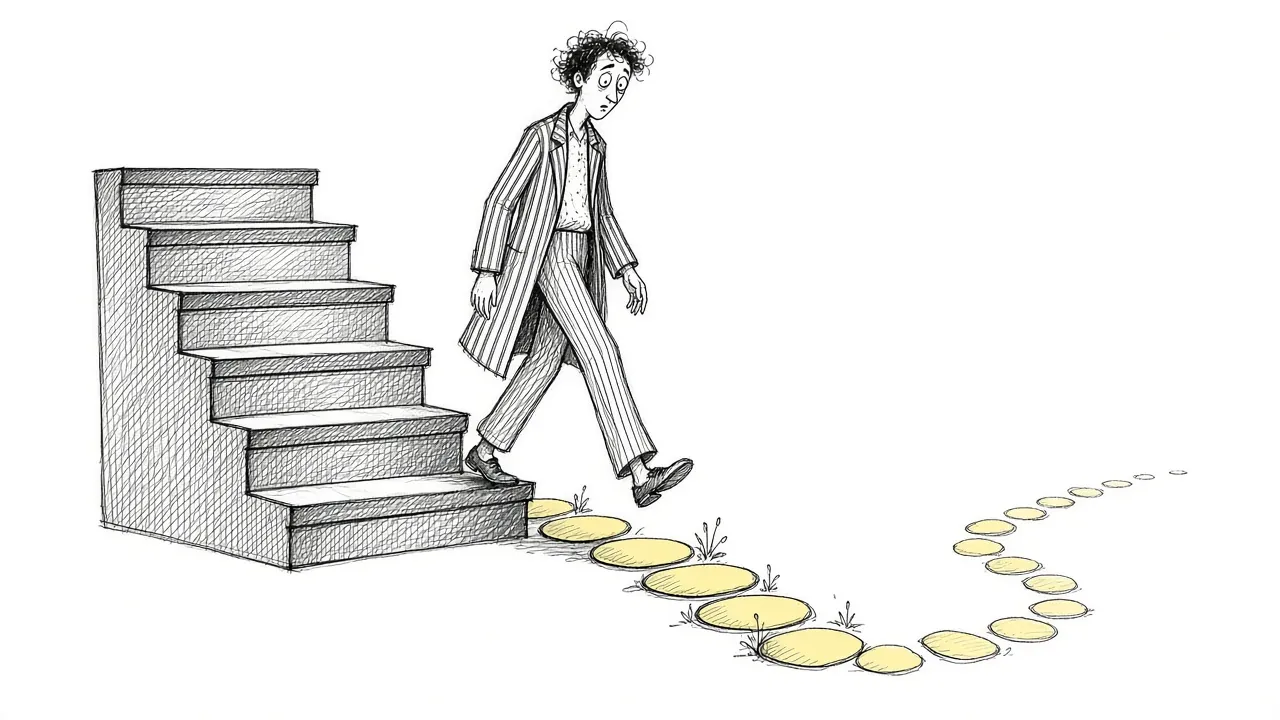
The author herself later said that the stages were never meant to be a neat, linear sequence. They were a way of naming feelings people might have, not a schedule everyone must follow. But by then, the idea of grief as a staircase had already taken hold.
Grief is not a staircase you climb. It is more like weather you learn to live in.
Why the stages can feel wrong
When people expect grief to follow a set order, real grief can feel confusing or even alarming. Here are some common experiences that do not fit the model:
- Feelings arrive out of order. You might feel acceptance in the first week and anger a year later.
- Feelings come all at once. You can feel sad, relieved, angry, and numb in the same hour.
- Some stages never come. Many people never experience denial or bargaining.
- Grief keeps returning. Even after reaching something like acceptance, waves of grief can come back on anniversaries or in quiet moments.
- Other feelings are missing from the list. Guilt, longing, fear, loneliness, and love are central to grief but are not named as stages.
If the stages have left you feeling like you are behind or broken, it may help to know that many grief researchers and counselors now see grief as much more varied. Our guide to grief myths explores other common misunderstandings.
What grief more often looks like
Rather than a fixed sequence, many people describe grief as something that moves back and forth. One helpful idea is that grieving people naturally swing between two kinds of focus:
- Facing the loss. Crying, remembering, longing, and feeling the absence.
- Facing life. Doing tasks, making plans, connecting with others, and taking breaks from grief.
Moving between these two is not avoidance or failure. It is a healthy rhythm. Grief gets space, and so does living. Over time, the balance tends to shift, but both remain part of life.
This back and forth is one reason grief can feel so unpredictable. Our guide to why grief keeps changing shape goes deeper.
Rethinking acceptance
In the five stages model, acceptance is often seen as the end point. You work through the hard feelings, and finally you accept the loss. Grief is complete.
But acceptance in real grief is rarely a single finish line. It tends to come and go, and it is often partial. You might accept the fact of the death long before you accept the feelings it brings. You might accept your new life on some days and rail against it on others.
There is also a different way to think about acceptance. Rather than meaning "I am okay with this," acceptance can mean "I am willing to let this be true, and to feel what I feel about it." This kind of acceptance does not require you to like the loss or stop missing them. It simply means you stop fighting reality.
Acceptance as willingness
Acceptance based approaches to grief focus on making room for painful feelings rather than trying to get rid of them. This might sound strange. Why would you want to feel more pain?
The idea is that fighting painful feelings often makes them louder. When you try to push grief away, it tends to push back. When you allow it, it often moves through and softens. Our guide to willingness versus willpower in grief explores this in depth.
Acceptance does not mean forgetting
A common fear is that acceptance means letting go of the person who died. Many people resist acceptance because it feels like betrayal.
But accepting the loss does not mean ending the relationship. Many people continue to feel connected to their loved ones for the rest of their lives. They talk to them, think of them, and carry their values forward. This is often called continuing bonds, and it can coexist with acceptance.
You can accept that they are gone and still love them. You can accept the loss and still miss them every day.
A more flexible view of grief
Moving beyond the five stages does not mean throwing away everything they describe. Denial, anger, bargaining, sadness, and acceptance are all real experiences. Many people feel some of them. The problem is not the feelings. It is the idea that they must happen in order, or that grief is finished once you reach the end.
A more flexible view might sound like this:
- Grief has no set order.
- Many feelings can be present at once.
- Grief changes over time but may never fully end.
- You can find meaning, joy, and peace while still grieving.
- Your grief is shaped by who you lost, how you lost them, and who you are.
This view leaves room for your grief to be your own.
What this means for you
If you have been measuring yourself against the stages, you might try setting them aside for a while. Instead of asking "Which stage am I in?" you could ask:
- What am I feeling right now?
- What do I need today?
- What helps me feel a little more connected to them, and to my life?
- What feels too heavy, and who could help me carry it?
These questions tend to be more useful than trying to fit into a model.
When grief does not soften
For most people, grief becomes easier to carry over time, even if it never disappears. But for some, grief stays intensely painful and makes daily life very hard for a long time. If this sounds like you, our guide to prolonged grief explains when grief might benefit from extra support.
Grief in its own shape
The five stages gave many people a language for grief, and that has value. But real grief is wider, messier, and more personal than any list of stages.
Your grief does not need to follow a script. It can move forward, backward, and sideways. It can include laughter, rage, peace, and longing in the same week. What matters most is not whether you match the model, but whether you can let your grief be what it is, while slowly building a life that still holds the person you love.
This article is for general information and support. It is not medical or mental health advice. If grief has become unbearable or you are thinking about harming yourself, call or text 988 right now.
Related reading
Acceptance and Remembrance: Two Ideas That Shape Healthy Grief
How acceptance and remembrance work together to help people carry grief while staying connected to the person they lost.
Coping With Grief: A Practical Guide
Practical, everyday ways to cope with grief, from the first days through the months and years that follow.
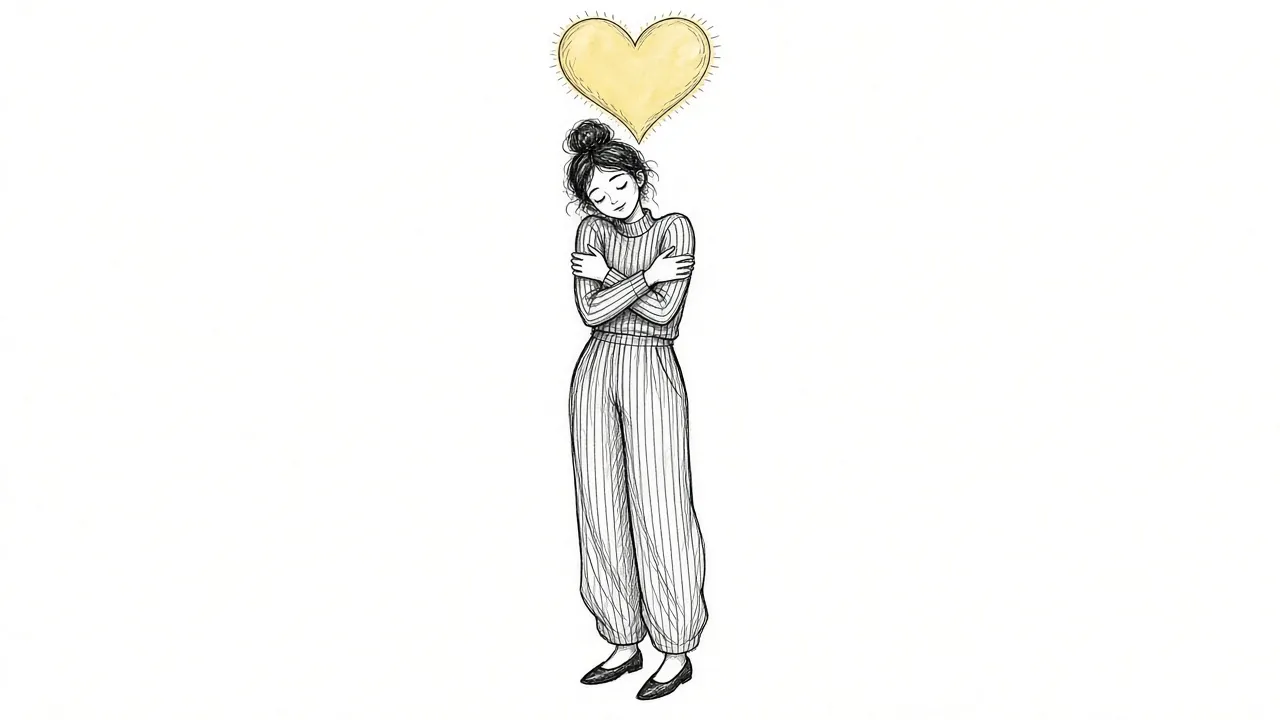
Self-Compassion in Grief
Grieving people are often harsh with themselves. How self-compassion can ease guilt and help you carry loss.