 murido
Afraid You're Forgetting Them? Grief and Fading Memories


One day you try to picture their face, and it is a little blurry. You cannot quite remember the sound of their voice. You realize you went a whole afternoon without thinking about them. And a wave of panic hits: am I forgetting them?
This fear is one of the most common worries in grief, especially as time passes. It can feel like a second loss, as if the person is slipping away all over again. This guide explains why memories change over time, why that does not mean you are losing them, and gentle ways to keep their presence close.
Why memories fade
Memory is not a recording. It is more like a story that gets retold each time you remember it. Details soften. Some fade. Others become sharper. This happens with all memories, not only those of people we have lost.
When someone dies, we stop making new memories with them. Without fresh experiences to refresh the old ones, some details naturally become less vivid. The exact pitch of their laugh. The way they said your name. The smell of their kitchen.
This is how memory works for everyone. It is not a sign that you loved them less, or that you are failing them.
Forgetting a detail is not the same as forgetting a person.
What fades, and what tends to stay
Many grieving people notice that certain kinds of memory fade faster than others.
- Sensory details, like voices and smells, often fade first.
- Everyday routines, like what they cooked on Tuesdays, can become fuzzy.
- Exact words from conversations often blur.
But other things tend to stay with us for a long time:
- The feeling of being loved by them.
- Their values and the way they saw the world.
- Big moments and turning points in your life together.
- The way they changed you.
Many people find that, even as details fade, their sense of who the person was stays strong. That deeper knowledge is part of you now.
Why the fear feels so intense
The fear of forgetting often carries more than worry about memory. It can be tied to deeper feelings:
- Guilt, as if forgetting would be a betrayal.
- Fear of the relationship ending, as if memory is the last thread connecting you.
- Fear of grief ending, because grief can feel like a way of staying close.
- Grief about time passing, as the gap between now and when they were alive grows.
Recognizing what is underneath the fear can make it a little easier to hold.
When a day without thinking of them feels like betrayal
Early in grief, many people think about their loved one constantly. Over time, the thoughts become less frequent. You might go hours or even days without the loss being front of mind.
This can feel alarming. But it is usually a sign that grief is becoming something you can carry, not a sign that the person matters less. The love remains. It simply no longer has to shout to be heard. Our guide to why grief keeps changing shape explores this more.
Gentle ways to keep memories close
You cannot stop memory from changing. But you can give your memories places to live, and you can return to them often.
Write them down
Start a notebook or a digital file of memories. Write anything that comes to mind, big or small:
- A phrase they used often.
- What they ordered at their favorite restaurant.
- A story they loved to tell.
- How they comforted you when you were sad.
- A habit that drove you a little crazy.
Do not worry about writing well. The goal is simply to capture what you remember while it is fresh.
Gather voices and images
Save voicemails, videos, and photos in a safe place, with backups. Many people find comfort in hearing a loved one's voice again, even years later. Some people find it too painful at first. You can keep these things saved until you feel ready.
Ask others for their stories
Other people knew your loved one in different ways. Ask friends, family, coworkers, and neighbors to share memories. You may hear stories you never knew, which can make your loved one feel more alive. A shared memory book can be a lovely way to collect these.
Use their things
Wear their sweater. Cook their recipes. Use their favorite mug. Objects can carry memory in a way that words cannot.
Create a ritual
Some families set aside a day each year to tell stories about the person. Others light a candle on birthdays or visit a special place. Our guide to grief rituals has more ideas.
Talking to them
Many people continue to talk to their loved ones after a death. They tell them about their day, ask for advice, or simply say hello. This is a normal and often healthy part of continuing bonds.
Talking to them can help keep the relationship alive in a new form. It is not about pretending they are still here. It is about letting them remain part of your inner world.
When you cannot remember the good times
Sometimes the problem is not forgetting, but remembering only the hard parts. After a long illness or a difficult death, the final memories may crowd out everything else. You might want to remember them laughing, but all you can see is the hospital bed.
This is common, and it often changes with time. Deliberately calling up older memories, through photos, stories, or places, can help. If the hard memories feel intrusive or distressing, our guide to intrusive memories after a death may help.
Children and fading memories
If a child lost a parent or grandparent at a young age, they may have very few memories to begin with. Parents and family members can help by telling stories, sharing photos, and keeping the person part of family life.
Some families create a memory box or book for the child, with letters from people who knew the person who died. These can become treasured keepsakes.
Letting go of perfect memory
It can help to accept that you will not remember everything. No one remembers every detail of anyone, living or dead. Even with the people we see every day, most moments slip away.
What matters is not perfect recall. It is the relationship you had, and the way that person lives on in you. Their influence shows up in how you act, what you value, the jokes you tell, and the way you love other people.
A memory a day
One simple practice is to write down one memory each day for a month. It can be tiny: the way they hummed while driving, a joke they always told, the color of their favorite coat. Do not worry about order or importance.
By the end of the month, you will have dozens of small memories gathered in one place. Many people find that writing one memory sparks others they had not thought about in years. The practice turns the fear of forgetting into a quiet daily act of remembering.
Holding on in a new way
Your memories will change, and that is okay. Some details will fade, and some will come back unexpectedly years from now, triggered by a song or a smell.
You are not forgetting them. You are carrying them differently. The love you share has become part of who you are, and that is not something time can easily take away.
This article is for general information and support. It is not medical or mental health advice. If grief has become unbearable or you are thinking about harming yourself, call or text 988 right now.
Related reading
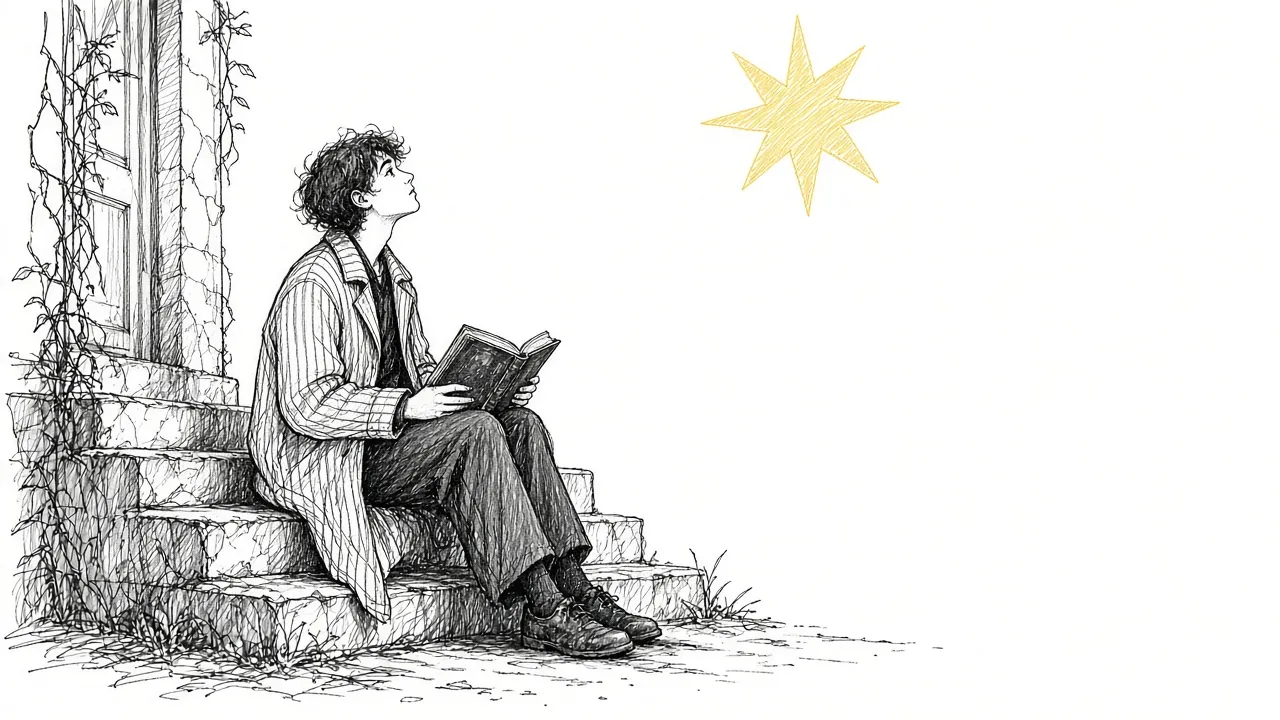
When Grief Shakes Your Faith
Loss can deepen faith or shatter it. How spiritual struggle shows up in grief and ways to navigate it.
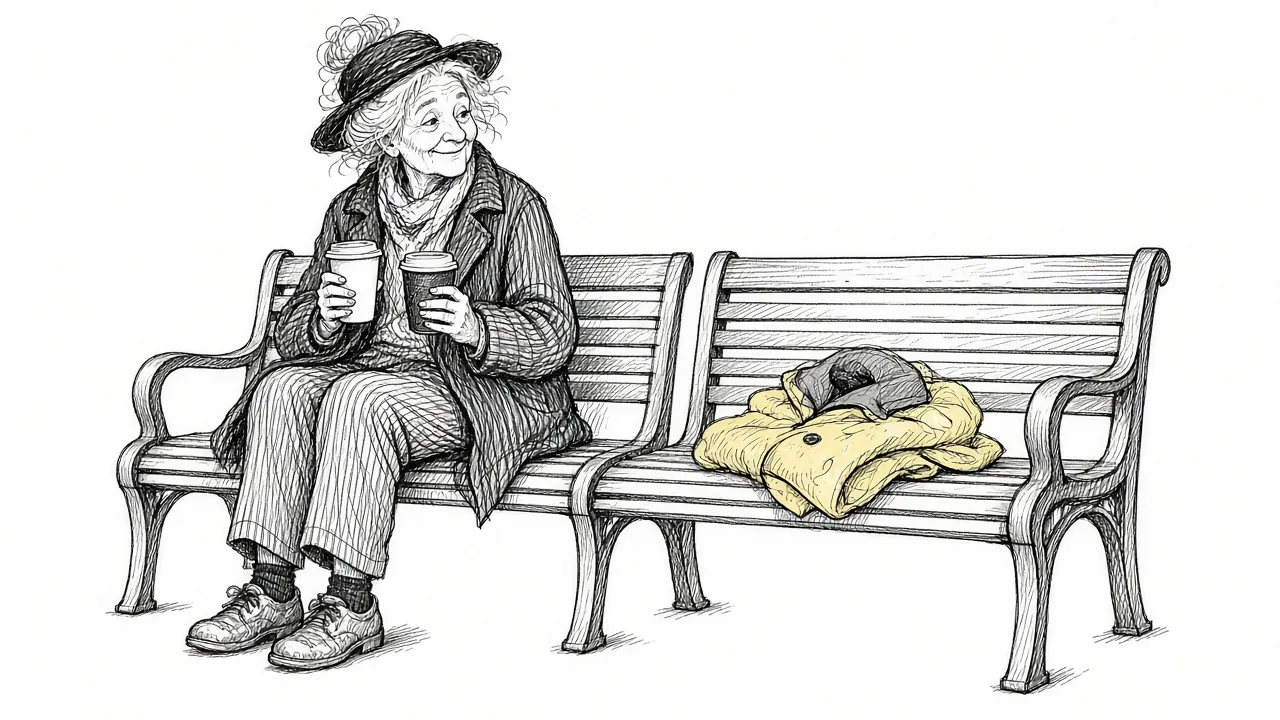
Losing a Partner: Grief After the Death of a Spouse
Losing a husband, wife, or partner changes every part of life. A guide to widowhood, identity, loneliness, and loving again.
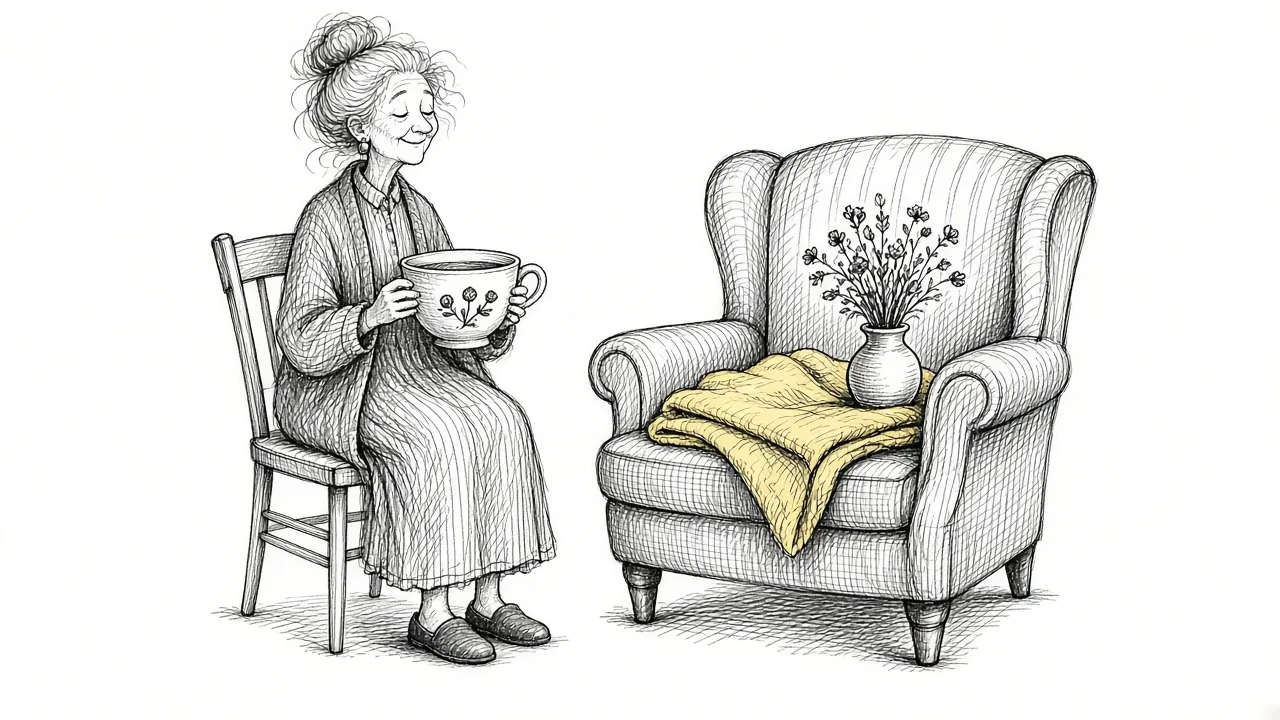
Grief After a Long Illness: Anticipatory Grief and Caregiving
Caring for someone through a long illness brings grief before and after death. A guide for caregivers on anticipatory grief and what comes next.