 murido
Will It Ever Stop Hurting? An Honest Answer

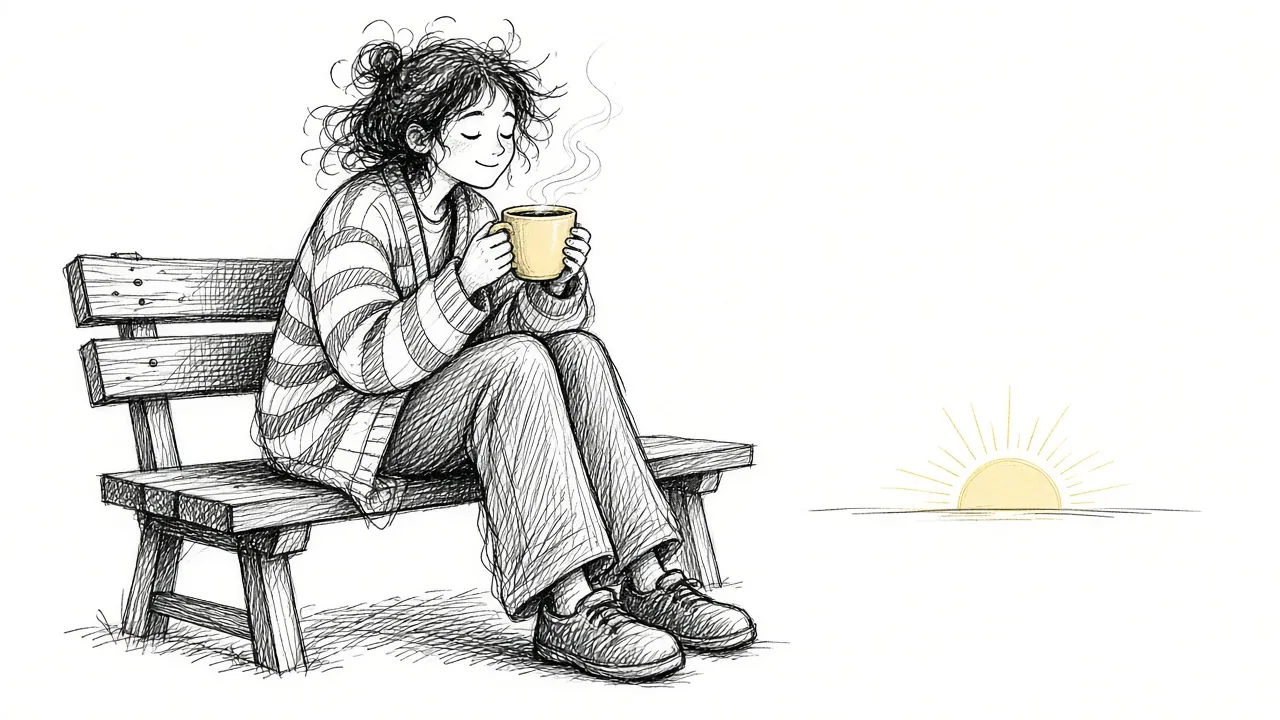
It is one of the first questions many grieving people ask, often late at night, often silently. Will it ever stop hurting? Will I ever feel like myself again? Will there be a day when I wake up and the weight is not there?
You deserve an honest answer, not a slogan. This guide tries to give one. The short version is this: for most people, grief does change, and the sharpest pain usually softens. But it rarely disappears completely, and that is not a failure. It is part of what it means to have loved someone.
The honest answer
For many people, the intense, all-consuming pain of early grief does ease over time. It may not happen quickly. It may not happen in a straight line. But many grieving people find that, months or years later, they can breathe again. They can laugh without guilt. They can remember the person with warmth, not only with pain.
At the same time, most people find that grief does not vanish. It becomes something they carry, quieter and more woven into life. It may rise up on anniversaries, at milestones, or out of nowhere. That is not a sign that something has gone wrong. It is grief taking its long-term shape.
The pain usually softens. The love usually stays. Over time, the two learn to live together.
Why early grief hurts so much
In the beginning, grief can feel unbearable because everything is new. Your brain is still learning that the person is gone. Every habit, every routine, every expectation keeps reaching for them and finding absence. Your body is flooded with stress. Your future has been rearranged without your permission.
That level of intensity is hard to sustain, and the mind and body do not usually stay there forever. As you slowly adjust, the pain tends to shift. See Why Grief Hurts So Much for the science behind it.
How grief tends to change
Everyone's path is different, but many people notice changes like these over time:
- The waves come less often. Early on, grief may feel constant. Later, it comes and goes.
- The waves pass more quickly. A wave that once lasted all day might last an hour.
- Reminders bring warmth too. A song or photo may still sting, but it may also bring a smile.
- Life grows around the loss. New experiences, relationships, and routines take up space alongside grief.
- The relationship changes form. The person becomes part of your story, values, and memories.
None of this happens on a schedule. And many people experience setbacks along the way, especially in the second year or around big life events. See Why Grief Can Feel Worse in the Second Year.
Why it might not feel like it is changing
When you are in the middle of grief, it can be hard to notice change. Here are some reasons it might feel like nothing is getting better:
- You are comparing yourself to before the loss. Life may never return to exactly how it was. Progress might look like something new rather than something old.
- You are having a hard stretch. Grief often moves in cycles. A rough month does not erase the progress before it.
- You are expecting grief to end. If the goal is no pain at all, every wave can feel like failure.
- You are carrying extra stress. Secondary losses, money worries, or other challenges can make grief feel heavier.
It can help to look back over longer stretches. How did you feel three months ago compared to now? A year ago?
What helps the pain soften
You cannot force grief to stop hurting. But there are things that tend to help it change.
Letting yourself grieve
Pushing grief away often keeps it frozen. Allowing it, in doses you can handle, gives it room to move.
Staying connected
Many people find that keeping a bond with the person who died, through memories, rituals, or conversations, eases the pain over time. Read Continuing Bonds.
Being with people who care
Grief shared tends to be lighter than grief carried alone.
Caring for your body
Sleep, food, movement, and rest help you carry grief more steadily.
Finding meaning, slowly
Some people find, over time, that their loss shapes them in ways that matter: more compassion, clearer priorities, new purposes. This cannot be rushed, but it often grows naturally.
Getting support when needed
A grief counselor or support group can help, especially if grief feels stuck.
When it is not softening
Sometimes grief does not change much over a long time. It stays intense, constant, and disabling. That might be a sign of prolonged grief or depression, both of which respond to support. See Is It Grief or Something More?.
It is worth talking with a professional if:
- The pain feels just as intense as at the beginning after a long time
- You cannot manage daily life
- You feel hopeless about the future
- You are using alcohol or other substances to cope
- You feel you cannot go on
If the pain feels unbearable right now
If you are in so much pain that you are thinking about ending your life, please reach out right away. Call or text 988 to reach the Suicide and Crisis Lifeline. You can call any time, and you do not have to be in immediate danger to call. Pain this heavy deserves real, human support.
What people further along often say
People who have grieved for many years often say similar things when asked what they would tell someone at the beginning:
- "It does not go away, but it does change."
- "I did not believe I would laugh again. I do."
- "I still miss them. It is a softer kind of missing now."
- "I found ways to keep them with me."
- "It took longer than I expected, and that was okay."
These are not promises, and everyone's path is different. But they reflect something many grieving people come to know.
A kind of answer
Will it ever stop hurting? Maybe not completely. But it will likely change. The pain that now fills every moment may, in time, become something you carry rather than something that carries you. The love will remain. And there will likely be days, more than you can imagine right now, when you feel the warmth of having known them more than the ache of having lost them.
What to do on the days it hurts most
Even as grief softens overall, there will still be hard days. On those days, it helps to have a short list ready:
- One person you can text without explaining
- One place you can go to be quiet
- One small comfort, like tea, a blanket, or a favorite song
- One thing you can do for them, like lighting a candle or saying their name
- One reminder written somewhere you can see: "This is a wave. It will pass."
Having these ready means you do not have to think clearly in the moment. You only have to reach for one of them.
Until then, it is okay to simply get through today.
This article is for general information and support. It is not medical or mental health advice. If grief has become unbearable or you are thinking about harming yourself, call or text 988 right now.
Related reading

Grief Alongside Depression and Anxiety
Grief often arrives alongside other mental health challenges. How to recognize overlap and get support for all of it.

Why Your Brain Keeps Replaying Their Last Days
Memories of the final days or moments can loop relentlessly. Here is why that happens and how to let the rest of their life back in.
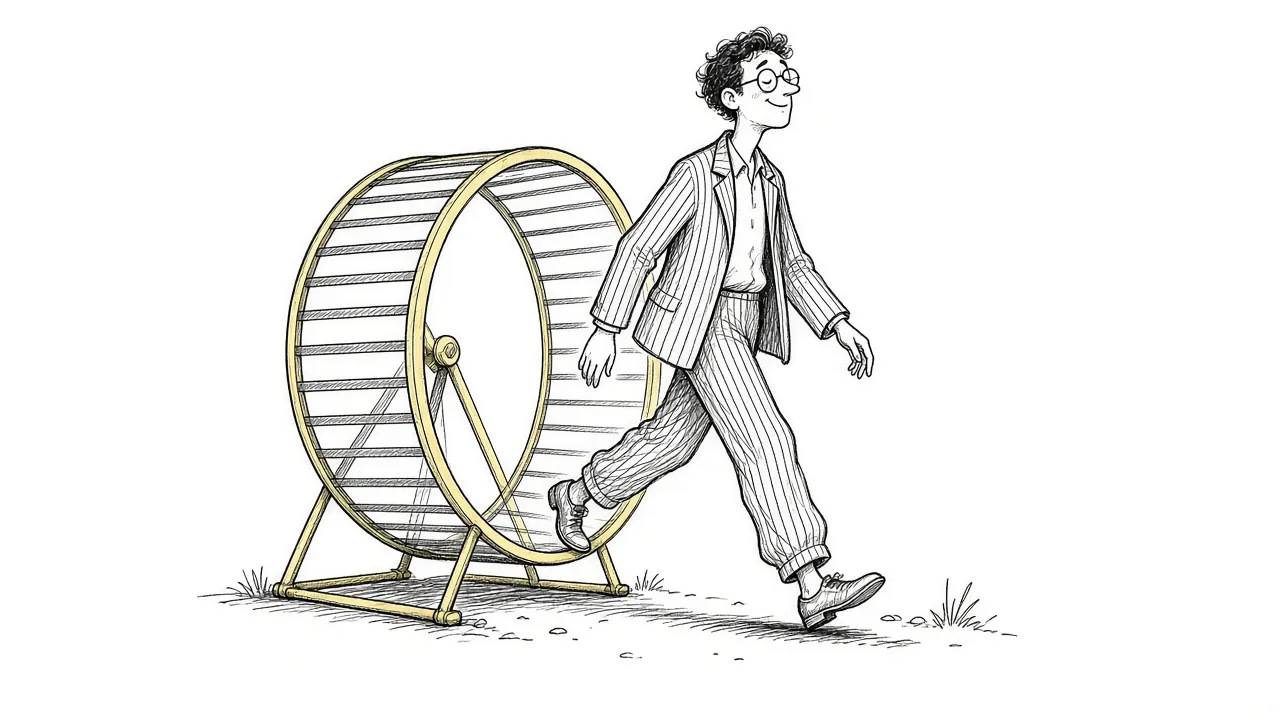
Rumination in Grief: Getting Off the "What If" Wheel
Endless what-ifs and if-onlys can trap grieving people. Learn why rumination happens and gentle ways to step off the wheel.