 murido
Why Your Brain Keeps Replaying Their Last Days


The hospital room. The last phone call. The look on their face. The moment the monitor changed. Weeks or months later, your mind keeps taking you back there, often when you least expect it. You might replay it in detail as you fall asleep, or find yourself frozen in the middle of a task, watching the scene again.
If this is happening to you, you are not alone, and you are not losing your mind. Replaying the last days is one of the most common experiences in grief, especially after a difficult death. This guide explains why the brain does it and what can help the replay soften.
Why the last days stick
They were emotionally intense
The brain tends to store emotionally intense experiences more vividly. Fear, shock, and heartbreak signal that something important is happening, so the brain records it in sharp detail.
They carry unfinished business
The last days often hold moments you wish had gone differently: something you did not say, a decision you questioned, a time you were not there. The mind returns to unfinished things, trying to resolve them.
They mark the boundary of before and after
The last days are the line between life with the person and life without them. The brain may keep returning to that line as it tries to understand the change.
They may have been traumatic
If the death was sudden, violent, or medically distressing, the memories may function like trauma memories. They can feel present rather than past, and they can arrive with a jolt of fear.
Your mind replays the last days not to torment you, but because it is still trying to understand something too big to take in all at once.
What the replay is trying to do
Replaying can be the brain's attempt to:
- Make sense of what happened. Fitting the experience into a story you can understand.
- Find a different ending. Searching for what might have changed the outcome.
- Prepare for danger. Protecting you from something similar in the future.
- Stay close to the person. The last days are also the last time you were with them.
That last point is important. For some people, replaying the end is painful, but it is also a way of being near the person one more time.
When replay becomes rumination
Replaying can turn into rumination, where you go over the same details looking for what went wrong. Rumination often involves questions like "Why did I not notice?" or "What if I had made a different choice?" It tends to increase guilt and keep grief stuck. Read more in Rumination in Grief.
Gentle ways to soften the replay
1. Let it pass rather than pushing it away
Trying to force the memory out often makes it return more often. Instead, notice it, name it, and let it be there for a moment. "There is the hospital memory." Then gently return to the present.
2. Ground yourself in the present
When the replay pulls you back, bring your attention to your senses. Feel the chair beneath you. Notice the sounds around you. Hold something with texture. This reminds your body that the moment has passed.
3. Tell the story, on purpose
Sometimes the memory replays because it has not been told. Writing down the story of the last days, or telling it to someone you trust, can help the brain file it as a memory rather than a present threat.
4. Fill in the gaps with facts
If you were not present for parts of it, your mind may fill in the gaps with imagined scenes. Talking to a doctor, nurse, or someone who was there can sometimes replace imagined horror with a calmer reality.
5. Balance it with their whole life
The last days were real, but they were not the whole story. Deliberately recalling other memories, from good days, ordinary days, and funny days, can restore balance. A memory book or list of stories can help. See Afraid You're Forgetting Them?.
6. Speak to yourself kindly
When guilt rides along with the replay, try speaking to yourself as you would to a friend. "You did your best with what you knew. You were there because you loved them."
Replay at night
Many people find the replay is worst at night, when distractions fall away. Some things that may help:
- Keep a notebook by the bed and jot down the memory when it comes
- Listen to calming audio or soft music as you fall asleep
- Try a slow breathing exercise
- If you cannot sleep, get up for a few minutes and do something gentle before returning to bed
If nightmares or sleeplessness last for weeks, talk to a doctor or counselor.
When to seek extra help
The replay usually softens over time. But it may help to talk with a grief counselor or trauma-informed therapist if:
- The replay is frequent and intense months after the death
- You feel like you are reliving the moment, not just remembering it
- You avoid places, people, or activities that might trigger the memory
- You have nightmares or are constantly on edge
- The replay keeps you from working, sleeping, or connecting with others
Therapies designed for trauma can help the brain process these memories so they lose their sharpest edge. Our guide on Intrusive Memories After a Death explains more.
If the replay brings thoughts of ending your life, please call or text 988 to reach the Suicide and Crisis Lifeline right away.
Questions people often ask
Does replaying mean I am stuck?
Not usually. Replaying is a common part of processing a loss. It becomes a concern mainly if it stays intense for a long time and keeps you from living.
Will I always remember the last days this vividly?
Many people find the memories become less sharp over time. They may still be there, but they often lose some of their emotional charge.
Should I avoid thinking about it?
Avoiding it entirely tends to make it stronger. Gently allowing the memory, while also making room for other memories, usually works better.
Caregivers and the last days
If you were caring for someone through the end of a long illness, the replay may include countless small decisions: medications, hospital visits, conversations with doctors. It is common to second-guess every one. Remember that caregiving decisions are made under pressure, often with incomplete information and little sleep. The fact that you were there making them at all is a sign of how much you cared. See Grief After a Long Illness.
A whole story, not just an ending
The last days of someone's life can feel like they are the only thing your mind will let you see. Over time, and with gentleness, many people find that the ending takes its place within a much larger story, one full of years, conversations, laughter, and love. The replay may never disappear completely, but it can quiet down enough for the rest of their life to come back into view.
This article is for general information and support. It is not medical or mental health advice. If grief has become unbearable or you are thinking about harming yourself, call or text 988 right now.
Related reading

Grief Alongside Depression and Anxiety
Grief often arrives alongside other mental health challenges. How to recognize overlap and get support for all of it.
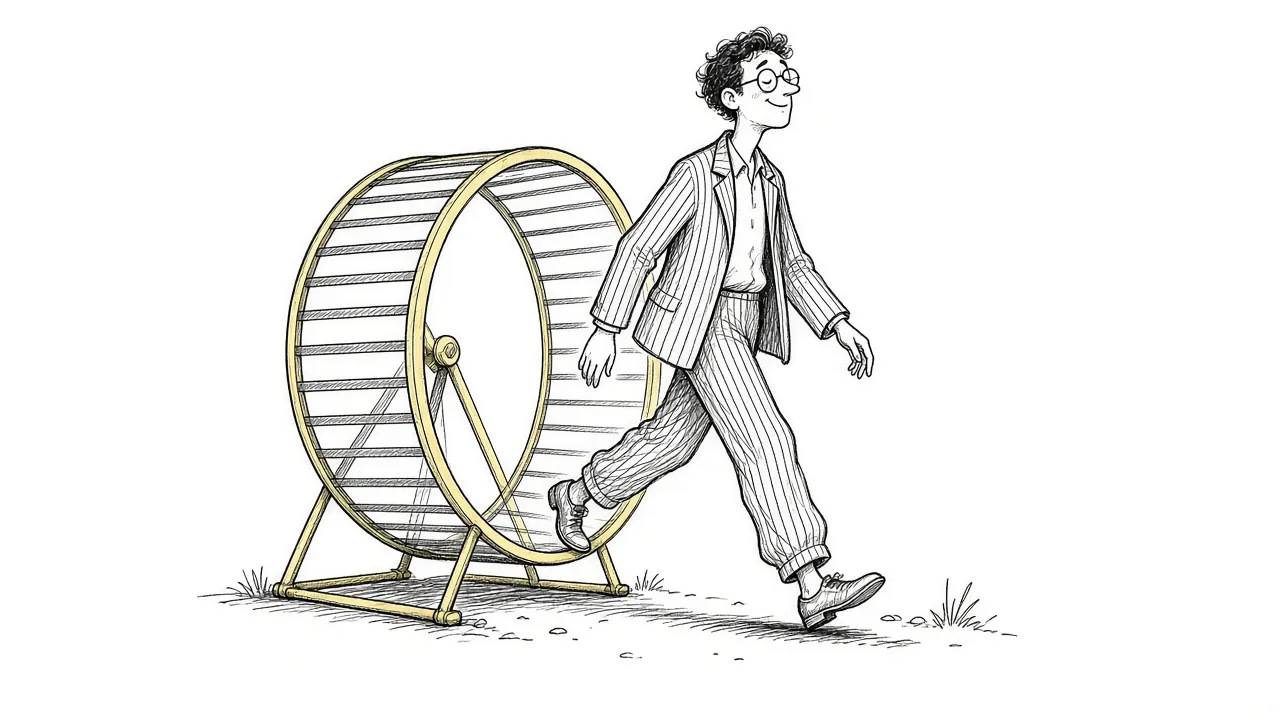
Rumination in Grief: Getting Off the "What If" Wheel
Endless what-ifs and if-onlys can trap grieving people. Learn why rumination happens and gentle ways to step off the wheel.

Grief Waves: Why It Comes Back and How to Ride It Out
Just when things feel steadier, a wave of grief hits. Why grief comes in waves and practical ways to get through them.