 murido
What Kind of Grief Am I Feeling?

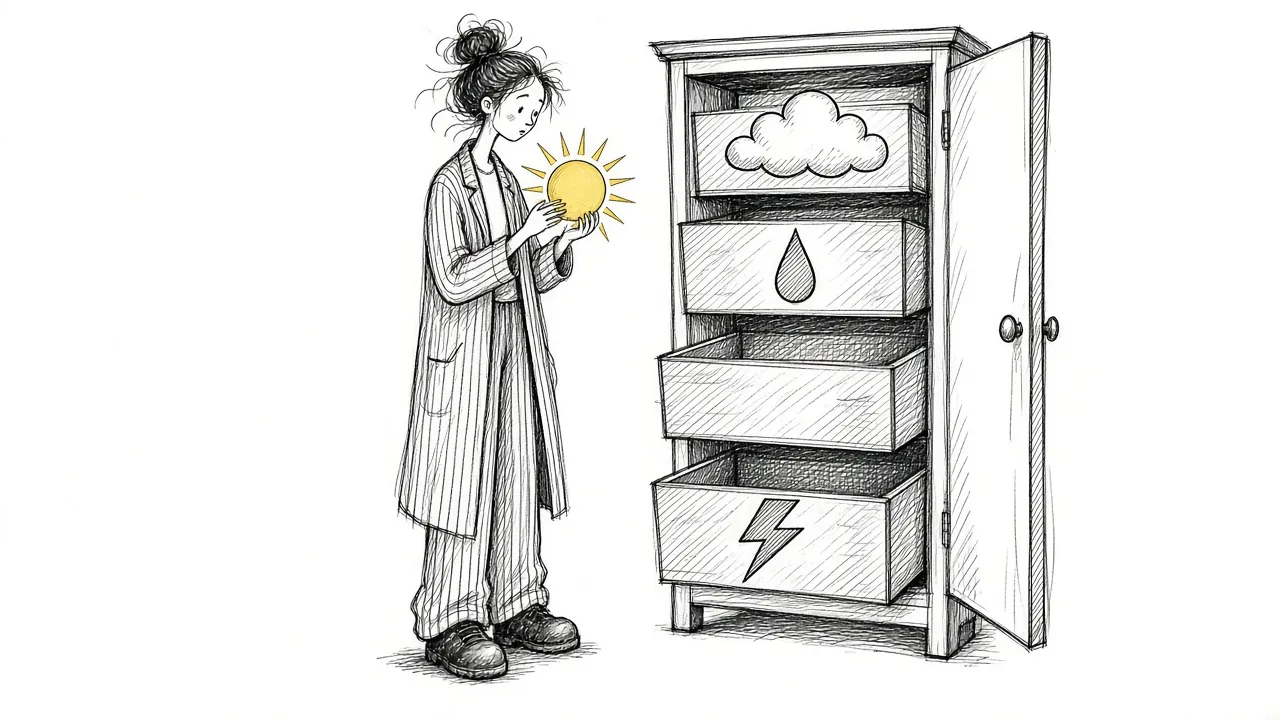
Grief is not one thing. Two people can lose the same person and grieve in completely different ways. One person can grieve differently from one month to the next. Sometimes it helps to have words for what you are feeling, not to put yourself in a box, but to understand that your experience has a shape others have known too.
This guide walks through several kinds of grief that researchers, counselors, and grieving people often describe. You may recognize yourself in one, several, or none. All of them are part of the wide range of normal human responses to loss.
Why naming grief can help
Naming what you feel can:
- Make it feel less confusing or frightening
- Help you explain your experience to others
- Point you toward support that fits
- Remind you that you are not alone
That said, grief rarely fits neatly into categories. Use these descriptions as gentle guides, not labels.
You do not need to know exactly what kind of grief you are feeling to deserve care for it.
Acute grief
Acute grief is the intense, early grief that often follows a loss. It can include shock, numbness, deep sadness, disbelief, and difficulty functioning. Many people describe feeling disoriented or as though they are moving through fog.
Acute grief is usually most intense in the first weeks and months, though it can return strongly around anniversaries and milestones.
Integrated grief
Integrated grief is grief that has found a place in your life. The loss is still there and may still hurt, but it no longer dominates every moment. You can think about the person with warmth as well as sadness. You can engage with life, relationships, and plans for the future.
Many people move toward integrated grief over time, though the path is not straight. See Will It Ever Stop Hurting?.
Anticipatory grief
Anticipatory grief begins before a death, often during a long illness. You may grieve the person's decline, the loss of who they were, and the future you will not share. Caregivers often experience this. It can bring guilt, exhaustion, and even relief when the death comes. See Grief After a Long Illness.
Sudden or traumatic grief
When a death is sudden, violent, or unexpected, grief can be tangled with shock and trauma. People may experience intrusive memories, nightmares, and a sense that the world is no longer safe. This kind of grief often benefits from trauma-informed support.
Complicated or prolonged grief
For some people, grief stays intense and disabling for a long time without softening. This is sometimes called prolonged grief. It may involve constant longing, difficulty accepting the death, and feeling that life has no meaning without the person. See Is It Grief or Something More?.
Disenfranchised grief
Disenfranchised grief is grief that others do not recognize or validate. This might include losing an ex-partner, a friend, a pet, a pregnancy, or someone whose death carries stigma. It can feel lonely because there may be little space to mourn openly. See Disenfranchised Grief.
Cumulative grief
Cumulative grief happens when losses pile up, one after another, before you have had time to grieve each. This can feel overwhelming and confusing, as though you do not know which loss you are crying for. See Multiple Losses at Once.
Ambiguous grief
Ambiguous grief is grief for a loss that is unclear or ongoing. Examples include a loved one with dementia who is physically present but changed, a missing person, or an estranged family member. There may be no clear ending, which can make grief hard to process.
Secondary losses
Alongside the primary loss, there are often many secondary losses: a role, a home, financial security, friendships, routines, or plans for the future. These can bring their own grief, sometimes even more than people expect.
Delayed grief
Sometimes grief does not show up right away. People may be busy with responsibilities, numb from shock, or focused on caring for others. Months or years later, grief may arrive in full. Delayed grief is common and does not mean something is wrong.
Inhibited or masked grief
Some people do not show grief openly, either by choice or because they feel they cannot. Their grief may show up in other ways, such as physical symptoms, irritability, or exhaustion. See The Hidden Side of Grief.
Collective grief
Collective grief is shared by a community or society after a widely felt loss, such as a disaster, a public tragedy, or a pandemic. It can add a layer to personal grief and can also bring a sense of shared mourning.
Grieving styles
Beyond kinds of grief, people also have different styles of grieving:
- Intuitive grievers tend to experience and express grief through emotions, tears, and talking.
- Instrumental grievers tend to process grief through action, problem solving, and doing things.
- Blended grievers use a mix of both.
No style is better than another. Understanding your style can help you find what works for you and explain it to others.
A short reflection
If you are trying to understand your grief, you might ask yourself:
- When did my grief begin? Before the death, at the time, or later?
- Does my grief feel recognized by others, or mostly hidden?
- Am I grieving one loss or many?
- Is my grief mostly emotional, mostly practical, or both?
- Has my grief changed over time, or does it feel stuck?
Your answers may point you toward which descriptions resonate.
Why your grief can be more than one kind
Most people experience several kinds of grief at once. A caregiver might have anticipatory grief before a death, acute grief after it, and disenfranchised grief if others do not understand how hard the caregiving was. Someone who lost a partner might grieve the person, the shared home, and their role as a spouse, all at the same time.
Grief is layered. It is not unusual for the layers to shift over time, with one becoming more prominent while another fades into the background.
Finding support that fits
Different kinds of grief can benefit from different kinds of support:
- Acute grief often benefits from practical help and steady companionship.
- Traumatic grief may benefit from trauma-informed therapy.
- Prolonged grief may benefit from grief-specific therapy.
- Disenfranchised grief may benefit from communities that recognize your loss.
- Anticipatory grief may benefit from caregiver support and honest conversations.
Our guide to Grief Support Options can help you explore choices.
When to reach out
No matter what kind of grief you are feeling, please reach out for help if grief is making daily life very hard for a long time, or if you are having thoughts of ending your life. If you are thinking about suicide, call or text 988 to reach the Suicide and Crisis Lifeline right away.
Your grief, your shape
The words in this guide are not meant to define you. They are simply ways people have tried to describe something that is ultimately very personal. Your grief is shaped by who you lost, how you lost them, and who you are. Whatever form it takes, it deserves patience, care, and the understanding that you are grieving because you loved.
This article is for general information and support. It is not medical or mental health advice. If grief has become unbearable or you are thinking about harming yourself, call or text 988 right now.
Related reading
When Grief Shakes Your Faith
Loss can deepen faith or shatter it. How spiritual struggle shows up in grief and ways to navigate it.
Losing a Partner: Grief After the Death of a Spouse
Losing a husband, wife, or partner changes every part of life. A guide to widowhood, identity, loneliness, and loving again.

Afraid You're Forgetting Them? Grief and Fading Memories
Many grieving people fear losing the sound of a voice or details of a face. Why memories fade and how to preserve them.