 murido
Is It Grief or Something More? Understanding Prolonged Grief

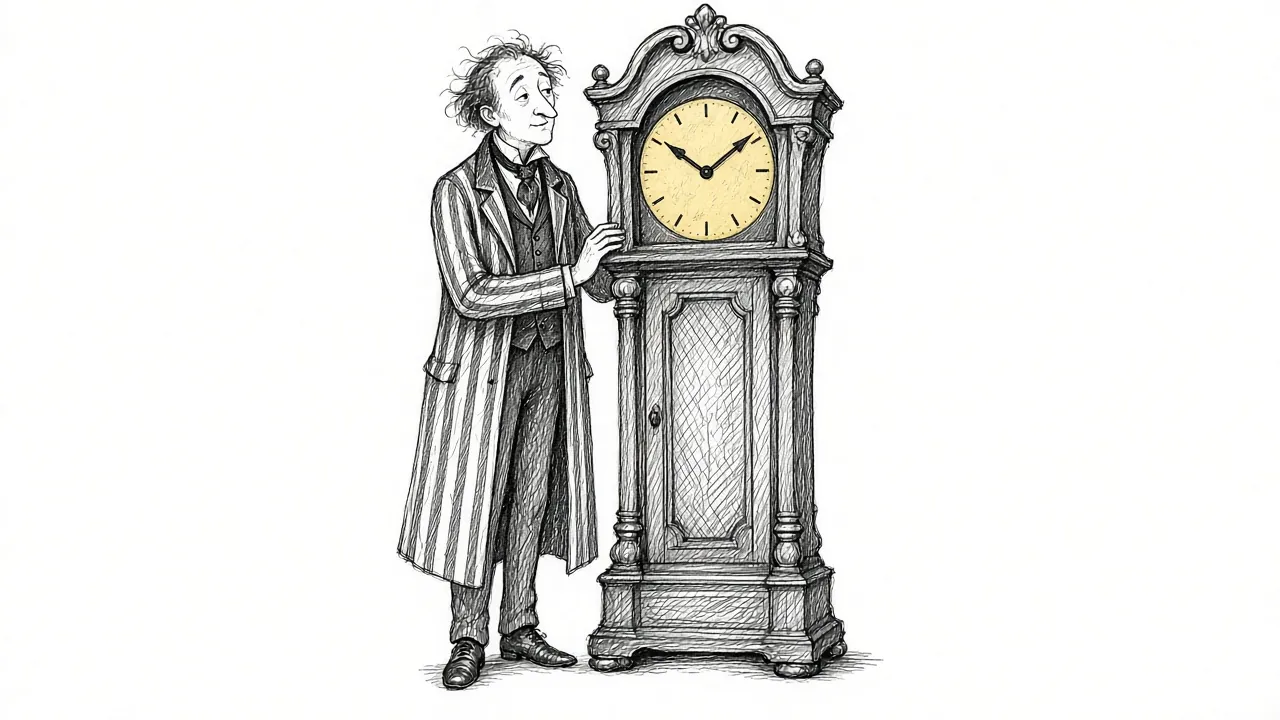
Grief has no fixed timeline. Many people carry some form of grief for the rest of their lives, and that is normal. But for some people, grief stays so intense for so long that it becomes hard to live at all. The longing does not soften. Daily life stays on hold. It can feel as though time stopped the day the person died.
This is sometimes called prolonged grief, and it is now recognized as a condition that can be helped with the right support. This guide explains what prolonged grief is, how it differs from ordinary grief, and what can help. It is not a diagnosis. If you are worried, please talk with a qualified professional.
Normal grief changes over time
Ordinary grief can be devastating, especially in the early months. It often brings intense longing, sadness, and disruption. Over time, though, it usually changes. The waves may become less frequent. Moments of lightness start to appear. The person may become part of your life in a new way, through memories and continuing bonds.
That process is uneven, and setbacks are common. Anniversaries and milestones can bring grief back strongly, sometimes for years. That is still normal grief. See How Long Does Grief Last? for more.
What prolonged grief is
Prolonged grief is when grief remains intense, persistent, and disabling for a long time after a loss, often a year or more for adults, without the usual gradual softening.
People with prolonged grief often experience:
- Intense longing or yearning for the person, most days
- Preoccupation with thoughts or memories of the person
- Feeling as though part of themselves has died
- Difficulty accepting that the death has happened
- Avoiding reminders that the person is gone
- Intense emotional pain, such as bitterness, anger, or sorrow
- Difficulty re-engaging with friends, interests, or plans
- Feeling that life is meaningless without the person
- Emotional numbness
- Intense loneliness
The key feature is not simply that grief lasts, but that it stays at a level that makes ordinary life very difficult, without easing.
Prolonged grief is not a sign that you loved too much. It is a sign that grief has gotten stuck, and stuck things can often be helped to move.
Why grief can get stuck
There is no single cause, but several factors can make prolonged grief more likely:
- Sudden or traumatic deaths. Shock and trauma can make grief harder to process.
- Very close or dependent relationships. When much of life was organized around the person, the loss can be harder to adjust to.
- A history of loss, depression, or anxiety. Earlier struggles can add weight.
- Lack of support. Grieving alone, or having your grief dismissed, can keep it frozen.
- Losses others do not recognize. Disenfranchised grief can be harder to process. See Disenfranchised Grief.
- Strong avoidance. Avoiding all reminders can keep the loss from being integrated.
- Ongoing guilt or rumination. Circling questions about what could have been done differently can keep grief locked in place.
How prolonged grief differs from depression
Prolonged grief and depression can look similar and can happen together. The main difference is focus. In prolonged grief, the pain centers on the person who died and the longing for them. In depression, the low mood tends to be broader. Learn more in Grief vs. Depression.
Signs you might want to talk to someone
You might consider reaching out to a grief counselor or mental health professional if:
- It has been a long time since the loss, and the grief feels just as intense as at the beginning
- You cannot work, care for yourself, or keep up relationships
- You feel unable to accept that the person has died
- You avoid nearly all reminders of them, or think about them almost constantly
- You feel your life has no purpose without them
- You feel detached from everyone around you
None of these mean you are broken. They mean you may benefit from help designed for this kind of grief.
What can help
Grief-focused therapy
There are therapy approaches developed specifically for prolonged grief. They often combine elements of trauma therapy, cognitive behavioral approaches, and work on continuing bonds. They may help you:
- Gently face reminders you have been avoiding
- Tell the story of the death in a safe setting
- Address guilt and painful thoughts
- Reconnect with goals, values, and relationships
- Find a way to stay connected to the person while rebuilding your life
Support groups
Groups with others who have experienced similar losses can reduce isolation and offer hope from people further along.
Treating other conditions
If depression, anxiety, or trauma are also present, treating them can make grief more manageable.
Gentle steps toward life
Small actions, like seeing a friend, returning to a hobby, or making one plan for the future, can help rebuild a sense of life beyond the loss.
A note on hope
Prolonged grief can feel permanent from the inside. Many people with prolonged grief are told, or tell themselves, that this is simply who they are now. But with the right support, prolonged grief often improves. People can find relief while still carrying love for the person they lost.
Getting help does not mean forgetting them or loving them less. It means making room for both your grief and your life.
Questions people often ask
Is there a certain number of months before grief counts as prolonged?
Professional guidelines use timeframes, often around a year for adults, but a timeframe alone does not make grief a problem. What matters most is whether grief remains intense and disabling without any softening. Many people grieve for years in healthy ways.
Will therapy make me let go of them?
Good grief therapy does not ask you to let go. It helps you find a connection that does not keep you stuck. Many approaches actively encourage continuing bonds.
Can I have prolonged grief for a pet or a non-death loss?
Intense grief can follow many kinds of loss. If grief over any loss is making life very hard for a long time, it deserves care, whatever the loss was.
If you are in crisis
Prolonged grief can sometimes lead to thoughts of not wanting to live, or of wanting to join the person who died. If you are having thoughts like that, please reach out now. Call or text 988 to reach the Suicide and Crisis Lifeline. You can call any time, day or night.
Preparing for a first appointment
If you are thinking about seeking help for grief that has stayed intense, it can be hard to know what to say. Before your first appointment, try jotting down a few notes: when the death happened, how your days look now, what feels hardest, and anything you have stopped doing because of grief.
You do not need to have it all figured out. Bringing notes simply makes it easier to explain your experience when you are nervous. A good professional will take it from there, listen carefully, and help you decide on next steps together.
Moving again
If grief has kept you frozen, that is not a personal failure. Grief can get stuck for many reasons, most of them beyond your control. What matters is that help exists, and that grief, even stuck grief, can begin to move. You can keep loving the person who died and still find your way back into your own life.
This article is for general information and support. It is not medical or mental health advice. If grief has become unbearable or you are thinking about harming yourself, call or text 988 right now.
Related reading

Grief Alongside Depression and Anxiety
Grief often arrives alongside other mental health challenges. How to recognize overlap and get support for all of it.

Why Your Brain Keeps Replaying Their Last Days
Memories of the final days or moments can loop relentlessly. Here is why that happens and how to let the rest of their life back in.
Rumination in Grief: Getting Off the "What If" Wheel
Endless what-ifs and if-onlys can trap grieving people. Learn why rumination happens and gentle ways to step off the wheel.