 murido
The Physical Side of Grief: What It Does to Your Body

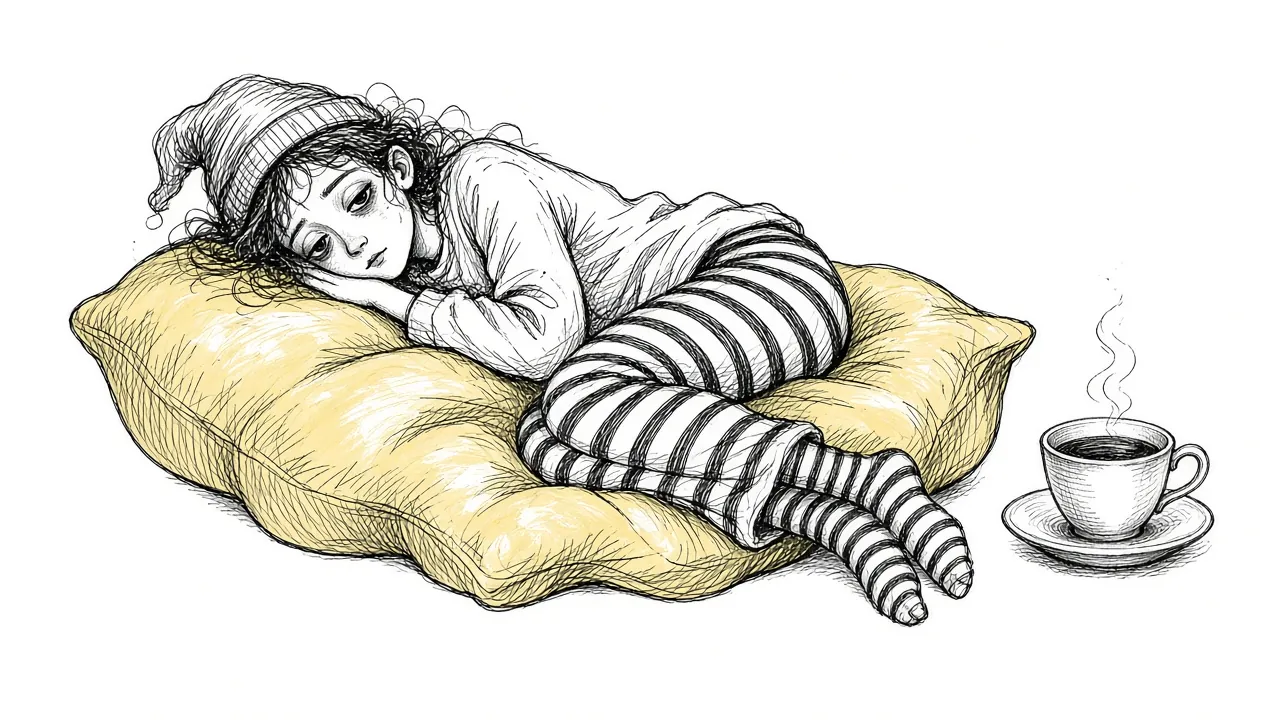
Grief is often described as an emotion, but anyone who has been through it knows that it lives in the body too. The exhaustion. The tight chest. The stomach that will not settle. The nights that stretch on without sleep. Many people are caught off guard by how physical grief feels, and some worry that something is seriously wrong.
This guide explains what grief can do to the body, why it happens, and what can help. It is not a substitute for medical care. If you are worried about any symptom, please see a doctor. But understanding the physical side of grief can make it feel less alarming and easier to care for.
Why grief is physical
When someone you love dies, your body responds as if it is under threat. The stress response, the same system that helps you react to danger, becomes more active. Stress hormones can stay elevated for longer than usual. That affects sleep, digestion, immunity, heart rate, and muscle tension.
At the same time, grief disrupts the routines that keep the body steady. Meals get skipped. Sleep gets broken. Exercise falls away. Many people spend weeks in hospitals, at funerals, or handling paperwork, all of which take a toll before grief even fully arrives.
Your body was part of the relationship too. It makes sense that it grieves.
Common physical symptoms of grief
Everyone's body responds differently, but here are some of the most common experiences.
Exhaustion
Grief is tiring in a deep, bone-level way. Even simple tasks can feel like climbing a hill. This fatigue often does not improve with sleep, because it comes from the emotional and nervous system load of grieving.
Sleep changes
Trouble falling asleep, waking in the night, waking very early, vivid dreams, or sleeping far more than usual are all common. Many people find nights the hardest time of all.
Chest tightness and heaviness
Some people feel a literal heaviness or ache in the chest. This is often linked to stress and tension. However, chest pain should always be checked by a doctor, especially if it is sudden, severe, or comes with shortness of breath.
Appetite changes
Grief can make food lose its appeal, or it can drive people to eat more for comfort. Both are common. Over time, sustained changes can affect energy and mood.
Digestive upset
Nausea, stomach pain, and changes in digestion often accompany grief. The gut is closely connected to the stress response.
Aches and tension
Headaches, jaw clenching, tight shoulders, and back pain are frequent companions of grief. The body tends to brace when it is under strain.
Getting sick more often
Some grieving people notice they catch colds or infections more easily. Prolonged stress can affect the immune system.
Restlessness or heaviness
Grief can make some people feel jittery and unable to sit still. Others feel weighed down, as if moving through water.
Grief and the heart
There is a reason people talk about heartbreak. Intense emotional stress can affect the heart, and in rare cases, sudden severe stress can trigger serious heart problems. Most grieving people will not experience this, but it is a good reason to take physical symptoms seriously.
If you have chest pain, trouble breathing, fainting, or a racing or irregular heartbeat, please seek medical care right away. If you have existing heart conditions, it is worth letting your doctor know about your loss.
Caring for a grieving body
You cannot rush grief out of your body. But you can support your body as it carries it.
1. Keep a gentle routine
Grief can make days blur. A loose routine, waking at a similar time, eating at regular points, and getting outside once a day, can give your body something steady to lean on.
2. Eat something, even small
If appetite is low, aim for small, simple meals or snacks. Soup, toast, fruit, yogurt, or a smoothie can be easier than a full meal. Ask friends to bring food you can heat up easily.
3. Drink water
Crying, stress, and skipped meals can leave you dehydrated, which worsens headaches and fatigue.
4. Move a little
A short walk, gentle stretching, or yoga can help release tension and improve sleep. This is not about fitness. It is about giving your body a way to process stress.
5. Protect sleep where you can
Try to keep a regular wake time, limit screens before bed, and avoid using alcohol to fall asleep. If nighttime thoughts race, write them down or try a breathing exercise. If sleep stays badly disrupted for weeks, talk to a doctor.
6. Breathe slowly
Slow breathing can calm the stress response. Try breathing in for a count of four and out for a count of six, a few times in a row.
7. Accept comfort
A hug, a warm blanket, a bath, a heating pad. Physical comfort is not trivial in grief. It speaks directly to the nervous system.
Physical grief and emotional grief are connected
Many people find that physical symptoms ease when they give grief more room emotionally. Holding feelings in can increase tension. Letting yourself cry, talk, or write can sometimes bring a physical release as well.
The reverse is also true. Caring for your body can make emotions feel more manageable. A good night's sleep or a walk in the sun will not erase grief, but it can make it easier to face. See Grief Symptoms: More Than Just Crying for the emotional side.
When to see a doctor
Please see a doctor if you experience:
- Chest pain, shortness of breath, or heart palpitations
- Severe or persistent headaches
- Ongoing weight loss or inability to eat
- Sleep problems that last for weeks
- New symptoms that worry you
- Any existing health condition that seems to be getting worse
It can also help to tell your doctor about your loss. Grief is relevant to your health, and a good doctor will take it into account.
When grief affects your will to live
Sometimes the exhaustion and pain of grief can make people feel they cannot go on. If you are having thoughts of ending your life, please reach out right away. Call or text 988 to talk with someone at the Suicide and Crisis Lifeline. You do not have to be in immediate danger to call.
Caregivers and the body
People who cared for someone through a long illness often arrive at grief already depleted. They may have postponed their own medical appointments, slept poorly for months, and lived on adrenaline. When the caregiving ends, the body sometimes crashes. If this is you, scheduling a checkup and allowing yourself real rest are not indulgences. They are part of recovery. Our guide to anticipatory grief and caregiving explores this more.
A body that loved
Your body held their hand, hugged them, cooked for them, sat beside them. It is no surprise that it grieves. The physical side of grief is not weakness or exaggeration. It is your whole self responding to loss. With care, rest, and time, most people find their body slowly begins to settle, even as they continue to carry the love and the loss.
This article is for general information and support. It is not medical or mental health advice. If grief has become unbearable or you are thinking about harming yourself, call or text 988 right now.
Related reading

Grief Alongside Depression and Anxiety
Grief often arrives alongside other mental health challenges. How to recognize overlap and get support for all of it.

Why Your Brain Keeps Replaying Their Last Days
Memories of the final days or moments can loop relentlessly. Here is why that happens and how to let the rest of their life back in.
Rumination in Grief: Getting Off the "What If" Wheel
Endless what-ifs and if-onlys can trap grieving people. Learn why rumination happens and gentle ways to step off the wheel.