 murido
Grief Symptoms: More Than Just Crying

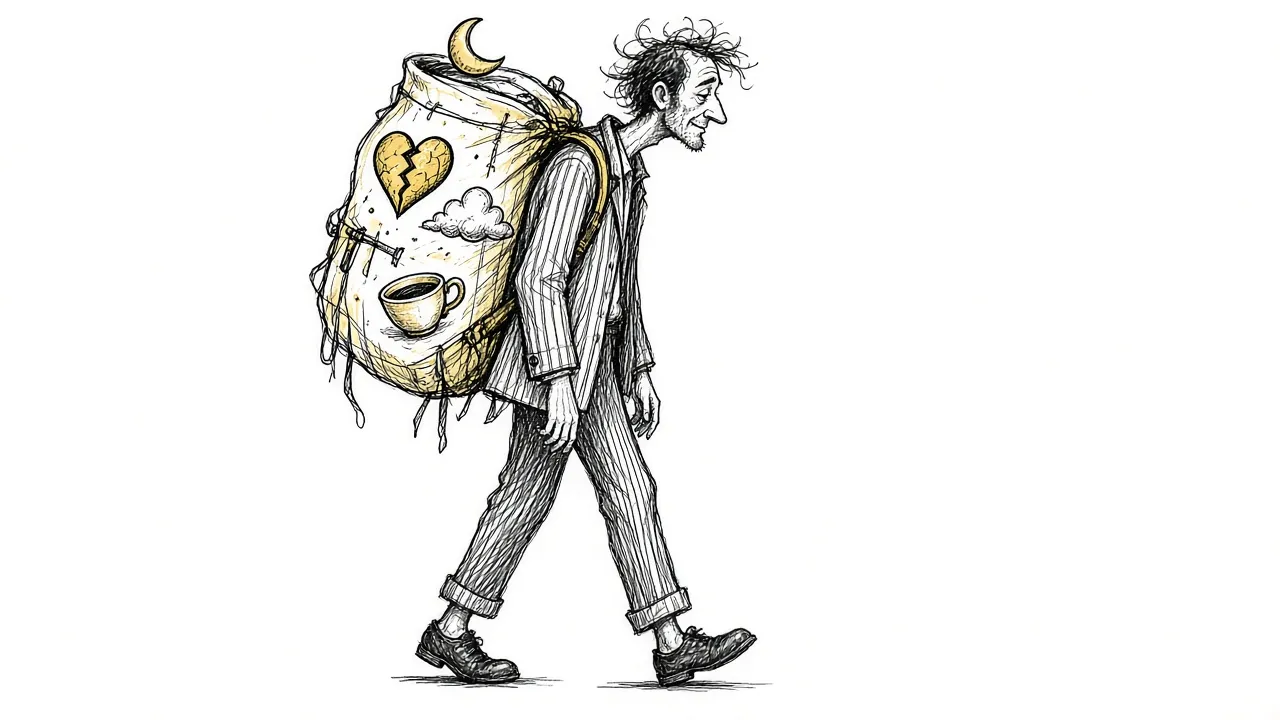
When people picture grief, they usually picture tears. Tears are part of it for many people, but they are only one small corner of a much larger experience. If you have found yourself dry-eyed at the funeral and then sobbing in a grocery store aisle three weeks later, or if you have barely cried at all and wonder what that says about you, this guide is for you.
Grief touches the body, the mind, behavior, relationships, and even beliefs. Knowing the range of what is normal can take away some of the fear that you are coming apart.
Why grief shows up everywhere
Grief is not a single feeling. It is the whole system of a person adjusting to the absence of someone who mattered. Your nervous system, sleep, appetite, memory, and sense of safety were all organized, in part, around that relationship. When it ends, everything has to recalibrate. That recalibration shows up as symptoms in places you would not expect.
Not crying does not mean you did not love them. Crying constantly does not mean you are not coping. Grief is wider than tears.
Physical symptoms
The body often grieves before the mind has caught up. Common physical experiences include:
- Fatigue that sleep does not fix
- Trouble falling asleep, waking at 3am, or sleeping far more than usual
- Tightness or heaviness in the chest or throat
- Changes in appetite, either loss of hunger or eating for comfort
- Headaches, muscle tension, and stomach upset
- Getting sick more often than usual
- A restless, keyed-up feeling, as if something bad is about to happen
These are real, and they deserve care. If anything feels severe or worrying, such as chest pain or symptoms that do not ease, see a doctor. Grief is a good reason to get checked, not a reason to dismiss what your body is telling you. We explore this more in The Physical Side of Grief.
Emotional symptoms
Sadness is common, but it often arrives alongside feelings people do not expect.
Anger
Anger at the doctors, at the person who died, at people who still have their parents, at God, at yourself. Anger in grief is very common and is often protective, a way of pushing back against something that feels unbearable.
Guilt and regret
The mind loves to replay what you could have said or done differently. Guilt is one of the loudest visitors in grief, even when there is nothing to feel guilty about. If this is weighing on you, Guilt After a Death may help.
Relief
If someone suffered a long illness, or if the relationship was difficult, relief can arrive alongside grief. Relief does not cancel love. It is often a sign of how much you were carrying.
Numbness
Many people feel strangely flat, especially early on. Numbness is the mind pacing itself. It usually lifts, sometimes slowly, sometimes all at once.
Anxiety
Loss can shake your sense that the world is safe. Some people become afraid that others they love will die too, or that something bad is always around the corner.
Cognitive symptoms
Grief often borrows heavily from your thinking brain.
- Trouble concentrating. Reading, working, and following conversations can all feel harder.
- Forgetfulness. Keys, appointments, and words go missing.
- Disbelief. A part of you may keep expecting them to walk in.
- Preoccupation. Your thoughts may circle back to them constantly, or to the circumstances of their death.
- Sensing their presence. Many grieving people briefly hear, see, or feel the person they lost. This is common and is not usually a sign of anything wrong.
Behavioral symptoms
Grief also changes what we do.
- Pulling away from friends, or needing to be around people all the time
- Avoiding places, photos, or belongings that bring reminders
- Holding on to their things, or clearing them out quickly
- Restlessness, pacing, or an urge to keep busy
- Visiting the grave or looking at their photos often
- Calling their phone or listening to old voicemails
None of these are right or wrong in themselves. What matters is whether a habit is helping you carry grief or keeping you from feeling it at all. Our piece on grief habits and what they mean looks at this more closely.
Social and spiritual symptoms
Grief can change relationships. Some friends show up in ways you never expected, and others disappear. You might feel out of step with people who are carrying on as normal.
It can also shake your beliefs. Some people find their faith deepening. Others find questions they cannot answer, or a sense that life has lost its meaning for a while. These shifts are part of grief too.
What if I have not cried at all?
This is one of the most common worries we hear. People grieve in different styles. Some process loss through feeling and expressing emotion. Others process it through doing: fixing things, planning, working, building something in the person's memory. Many people are a mix.
Not crying does not mean you are in denial or that you did not care. It might mean that your grief lives somewhere else, in your body, in your actions, in your quiet thoughts. It might also mean the tears have not arrived yet.
Caring for yourself through the symptoms
You do not have to fix every symptom. Still, a few small things can make them easier to carry.
Lower the bar
If your concentration is shot, give yourself smaller tasks. Write things down. Tell your workplace, if you can, that you are not at full capacity.
Protect sleep where you can
Keep a regular wake time, limit screens late at night, and avoid using alcohol as a sleep aid. If sleep stays badly disrupted for weeks, talk to a doctor.
Move gently
A short walk, stretching, or time outside can ease some of the physical tension grief stores in the body.
Name what you are feeling
Simply saying "this is anger" or "this is grief in my stomach" can create a little space between you and the feeling. Journaling or talking it through can help too.
When symptoms need more support
Grief symptoms usually ease and change over time, though not in a straight line. Reach out to a doctor or mental health professional if you notice:
- Symptoms that are getting steadily worse rather than shifting
- Being unable to work, eat, or care for yourself for a long stretch
- Heavy use of alcohol or drugs to cope
- Feeling that life is not worth living
If you are having thoughts of suicide or of harming yourself, please call or text 988 right away. You can reach someone any time of day or night.
You are not falling apart
Grief can make you feel like a stranger in your own life. Your body is tired, your mind is foggy, and your emotions arrive without warning. All of this is part of what grief does. It is not a sign that you are weak or that something is wrong with you. It is a sign that someone mattered, and that you are, slowly, learning how to live with their absence.
This article is for general information and support. It is not medical or mental health advice. If grief has become unbearable or you are thinking about harming yourself, call or text 988 right now.
Related reading

Grief Alongside Depression and Anxiety
Grief often arrives alongside other mental health challenges. How to recognize overlap and get support for all of it.

Why Your Brain Keeps Replaying Their Last Days
Memories of the final days or moments can loop relentlessly. Here is why that happens and how to let the rest of their life back in.
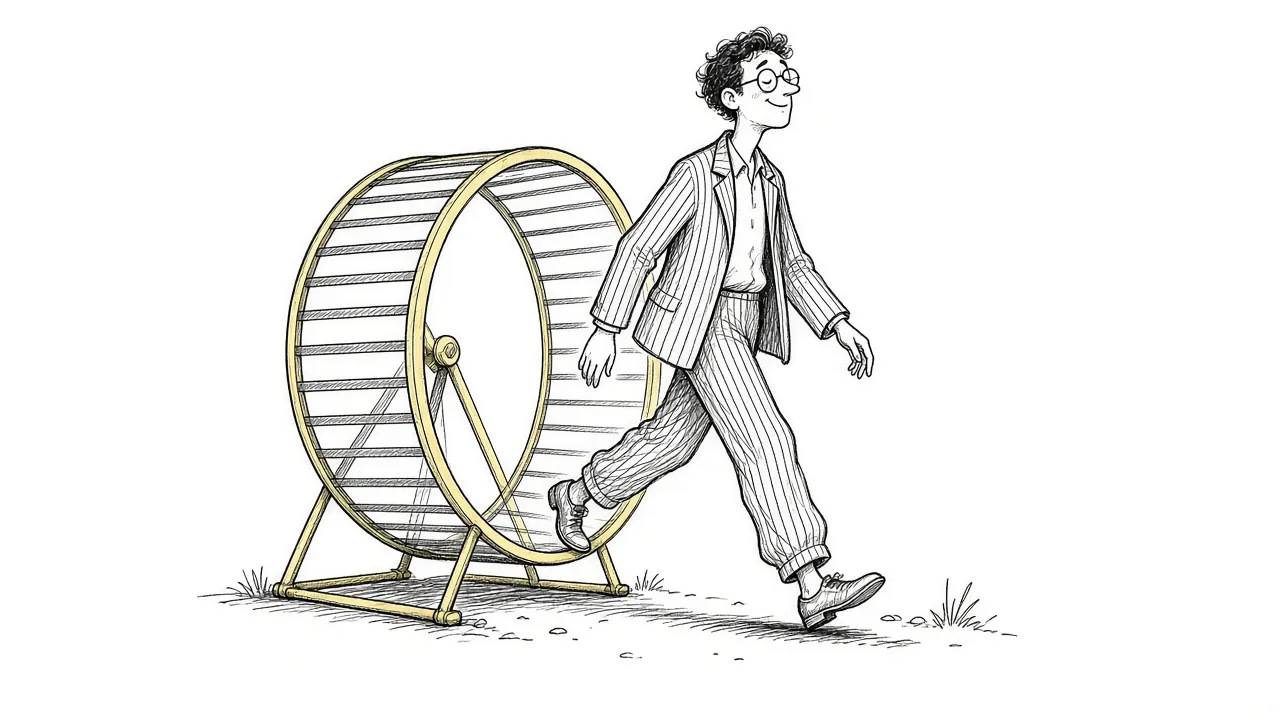
Rumination in Grief: Getting Off the "What If" Wheel
Endless what-ifs and if-onlys can trap grieving people. Learn why rumination happens and gentle ways to step off the wheel.