 murido
Beyond Casseroles and Checklists: A Modern Approach to Grief Support

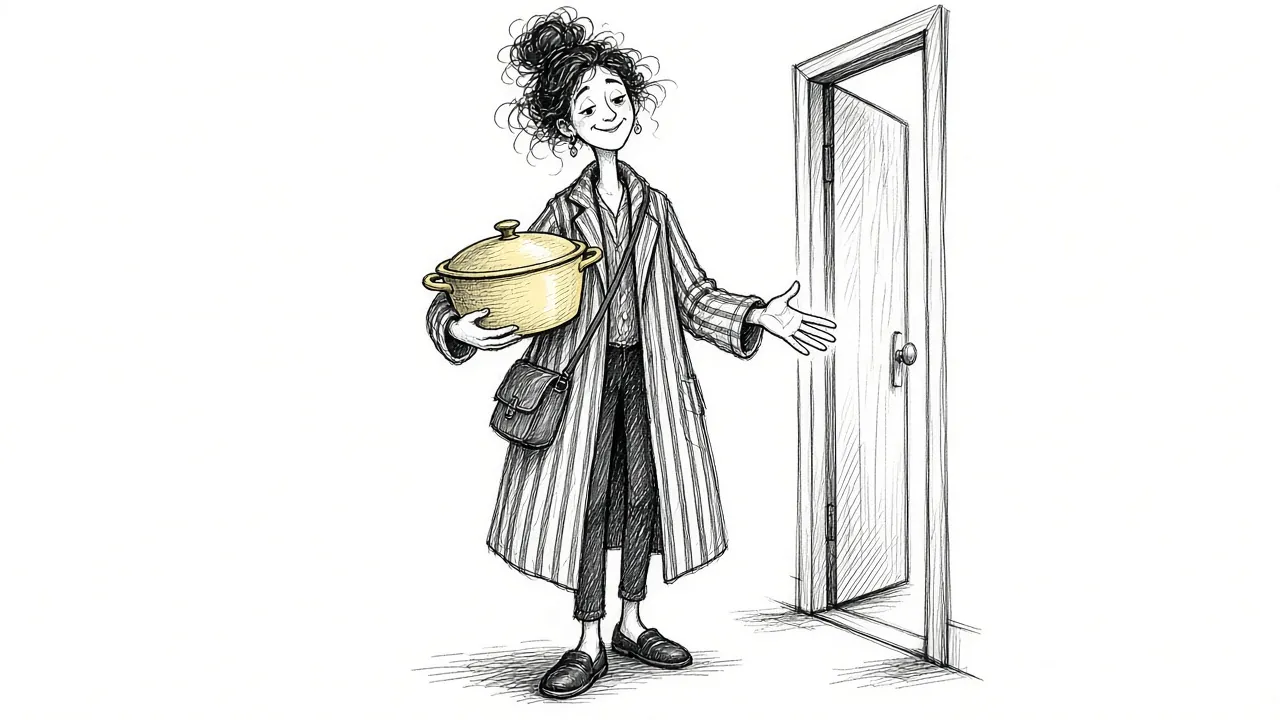
After a death, support often arrives in a rush. Casseroles fill the fridge. Flowers crowd the kitchen counter. Cards stack up by the door. Friends call, neighbors drop by, and the phone does not stop ringing. Then, a few weeks later, it all goes quiet.
Traditional grief support is often focused on the first days and the practical tasks: the funeral, the paperwork, the thank you notes. These things matter. But grief lasts far longer than the casseroles, and many grieving people find themselves most alone just when the hardest part begins.
This guide looks at what traditional support does well, where it falls short, and what a more lasting, modern approach to grief support can look like for grieving people and those who care about them.
What traditional support gets right
Traditional ways of supporting the bereaved exist for good reasons. In the first days after a death, people are often in shock. They may not be able to cook, clean, or make decisions. Practical help can be a lifeline.
Traditional support often includes:
- Bringing meals.
- Attending the funeral or memorial.
- Sending cards and flowers.
- Helping with childcare or errands.
- Offering words of comfort.
These gestures say, "You are not alone." They matter deeply, especially early on.
Where it often falls short
The trouble is that grief does not end when the funeral is over. For many people, the weeks and months afterward are much harder. The shock wears off. The reality sets in. And the support has often moved on.
Here are some common gaps:
- Timing. Support is concentrated in the first weeks, while grief often peaks later.
- Focus on tasks. Help may focus on practical needs while emotional needs go unmet.
- Scripts. Common phrases like "they are in a better place" can feel hollow.
- Expectation of recovery. Friends may assume you should be "back to normal" after a few months.
- Unrecognized losses. Some losses, like miscarriage or the death of an ex partner, may not receive traditional support at all. Our guide to disenfranchised grief explores this.
Grief does not end when the casserole dishes are returned. For many people, that is when it begins.
What grieving people often need later
When people describe what helped them most after a loss, they often mention support that came later or lasted longer.
- Someone who remembered. A text on the anniversary, a card on their birthday, a mention of their name months later.
- Someone who listened. Not to fix, but to hear.
- Ongoing practical help. Mowing the lawn in spring. Help with taxes the following year.
- Permission to still be sad. Friends who did not expect them to be over it.
- Company in ordinary moments. Someone to go to the grocery store with, or to sit with on a Sunday afternoon.
These are quieter forms of support, but they often make the biggest difference.
A more lasting approach to support
Modern grief support tends to focus on presence over time rather than a single burst of help. It recognizes that grief changes, and that support needs to change with it.
Think in seasons, not days
Grieving people may need different things at different times. In the first week, a meal. In the third month, a walk. On the first anniversary, a phone call. In the second year, an invitation to talk about the person.
Follow their lead
Ask what would help rather than guessing. Some people want to talk about their loved one constantly. Others want distraction. Both are valid, and needs can shift day to day.
Keep saying their name
Many grieving people fear that others will forget the person who died. Mentioning their name, sharing a memory, or noting a meaningful date can be a powerful gift.
Offer specific help
"Let me know if you need anything" puts the burden on the grieving person. Try "I am going to the store on Thursday. What can I pick up for you?" or "Can I take the kids to the park on Saturday?"
Our guide to supporting a grieving loved one has many more ideas.
Support beyond friends and family
Friends and family are often the first line of support. But they are not always enough, and that is not a failure on anyone's part. Grief can be too heavy for one circle to carry.
Other forms of support might include:
- Grief support groups, where people who have experienced similar losses meet regularly.
- Grief counseling or therapy, especially when grief feels stuck or overwhelming.
- Faith communities, which may offer ongoing care and rituals.
- Online communities, which can connect people across distances.
- Digital tools, like apps for journaling, reflection, or preserving memories.
Each option has strengths. Our guide to grief support options compares them.
Support for the hidden parts of grief
Some aspects of grief are hard to see from the outside. Guilt, intrusive memories, fear of losing others, and the slow ache of everyday absence often go unspoken. A more modern approach to support makes room for these experiences.
That might mean:
- Normalizing feelings like guilt or relief.
- Asking gently, "What is the hardest part right now?"
- Not rushing someone toward acceptance or "closure."
- Recognizing that grief may intensify around certain dates.
Our guide to the hidden side of grief explores some of these quieter struggles.
Supporting yourself, too
If you are grieving, you can also look for ways to support yourself beyond the early weeks. That might include:
- Writing down what you need and sharing it with a trusted friend.
- Joining a support group, even if it feels uncomfortable at first.
- Creating rituals that help you stay connected to the person who died.
- Setting reminders to check in with yourself on hard dates.
- Letting yourself ask for help again, even if it has been a while.
You do not need to wait for others to remember. It is okay to say, "Next week is the anniversary, and I could really use some company."
Making room for grief in everyday life
A modern approach to grief support recognizes that grief is not a short interruption. It becomes part of life. Support works best when it fits into ordinary days rather than only special occasions.
That might look like a friend who regularly calls on Sunday evenings, a coworker who checks in during a hard week, or a family that keeps telling stories about the person at every holiday.
Organizing ongoing help
If you are part of a group that wants to support someone, consider organizing help over the long term. One person might take meals in the third month. Another might handle yard work in the spring. Someone else might plan a visit around the anniversary.
A shared calendar or a simple list can spread the support out so it does not all arrive in the first two weeks and then vanish.
Care that lasts
Casseroles and checklists are an important start. But grief needs more than a few weeks of help. It needs people who keep showing up, who remember, who listen, and who make room for sorrow long after the world has moved on.
If you are grieving, you deserve that kind of care. If you are supporting someone, you have the chance to offer it. Either way, the most meaningful support is often the simplest: staying present, over time, with someone who is carrying a heavy loss.
This article is for general information and support. It is not medical or mental health advice. If grief has become unbearable or you are thinking about harming yourself, call or text 988 right now.
Related reading

Acceptance and Remembrance: Two Ideas That Shape Healthy Grief
How acceptance and remembrance work together to help people carry grief while staying connected to the person they lost.

Coping With Grief: A Practical Guide
Practical, everyday ways to cope with grief, from the first days through the months and years that follow.
Self-Compassion in Grief
Grieving people are often harsh with themselves. How self-compassion can ease guilt and help you carry loss.