 murido
Grief After a Long Illness: Anticipatory Grief and Caregiving

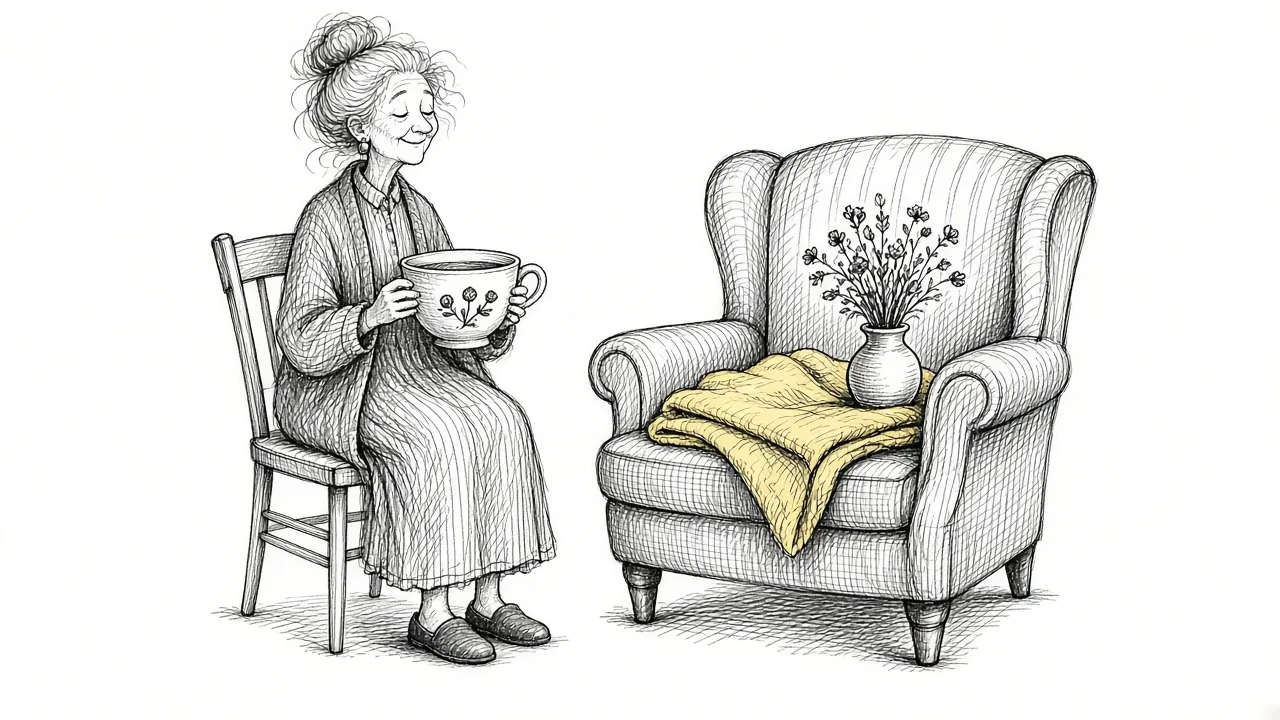
When someone you love is seriously ill, grief often starts long before they die. You might grieve each loss as it comes: the day they stop driving, the day they no longer recognize you, the day they cannot get out of bed. You may grieve the future you will not share, even while they are still here.
This is called anticipatory grief. If you have also been caring for them, it can come tangled up with exhaustion, guilt, and a strange mix of feelings when the death finally comes. This guide is for anyone who has walked alongside a long illness, whether you are in the middle of it now or grieving after it ended.
What anticipatory grief is
Anticipatory grief is grief that begins before a death. It can show up when someone is diagnosed with a terminal illness, when dementia slowly changes them, or when a long decline makes the end feel close.
People experiencing anticipatory grief may feel:
- Sadness and tearfulness, often without a clear trigger.
- Anxiety about what is coming and how they will cope.
- Guilt about imagining life after the person dies.
- Anger at the illness, the medical system, or the unfairness of it.
- Loneliness, especially if others do not understand that you are already grieving.
- A deep tenderness and wish to make the remaining time count.
These feelings are normal. They do not mean you are giving up on the person. They mean you love them and you can see what is coming.
The many small losses along the way
Long illnesses bring many losses, not just one. Each stage can feel like a small death.
- The loss of the life you planned together.
- The loss of their independence, and sometimes of yours.
- The loss of their personality, if illness changes how they think or act.
- The loss of shared activities, conversations, or roles.
- The loss of hope for a cure.
Naming these losses can help. It explains why you may already feel worn down by grief, long before the funeral.
Grief does not wait for permission. Sometimes it starts the day you hear the diagnosis.
The weight of caregiving
Caring for someone who is dying can be one of the most meaningful things a person ever does. It can also be one of the most draining.
Caregivers often describe:
- Physical exhaustion from lifting, sleepless nights, and constant tasks.
- Mental strain from managing medications, appointments, and decisions.
- Emotional overload from watching someone you love suffer.
- Isolation, as friends drift and life narrows to the sickroom.
- A loss of identity, when your role becomes "caregiver" above everything else.
If you are caring for someone now, please try to get breaks where you can. Ask family members to take shifts. Look into respite care or hospice support. Taking care of yourself is not selfish. It is how you keep going.
Relief, and the guilt that follows
When someone dies after a long illness, many people feel relief. Relief that their pain is over. Relief that the constant vigilance has ended. Relief that you can finally sleep.
And then, often, comes guilt. "How can I feel relieved that my mother died?"
Relief is one of the most common feelings after a long illness, and it is not a betrayal. It often comes from love: you wanted their suffering to stop. It can also come from your own exhaustion, which is human and understandable. Relief and grief can sit side by side. Our guide to guilt after a death explores this more.
Why grief can still hit hard afterward
Some people expect that, because they grieved for so long during the illness, the death itself will be easier. Sometimes it is. But often, people are surprised by how hard the loss lands.
There are a few reasons for this:
- The finality. Even when expected, death is a different kind of loss.
- The sudden emptiness. The caregiving routine that filled every hour is gone.
- Delayed grief. Many caregivers put their feelings on hold to cope. Those feelings may arrive all at once.
- Lost purpose. Without the role of caregiver, you may not know who you are or what to do with your days.
If you find grief feels worse later rather than easier, you are not alone. Our guide to why grief can feel worse in year two explains why this happens for many people.
Memories of the illness
After a long illness, it can be hard to remember the person as they were before they got sick. The images of hospital beds, medication schedules, and decline may crowd out older memories.
It can help to deliberately reach back for earlier memories. Look at photos from healthier times. Ask friends to share stories. Write down moments that capture who they were before illness changed things. If you are worried about losing those memories, our guide to being afraid you are forgetting them may help.
Making the most of the time that remains
If you are still in the middle of a long illness, there may be space for some meaningful moments. These do not have to be grand.
Small ways to connect
- Look through old photos together.
- Play their favorite music.
- Ask about their life and record their stories.
- Hold their hand, even if they cannot respond.
- Say what you want them to hear, including "thank you" and "I love you."
Practical conversations
When possible, gently talk about their wishes for care, their funeral, and what they want for their belongings. These talks are hard, but many families say they were glad later to know what their loved one wanted.
Taking care of yourself after caregiving ends
When the caregiving ends, your body and mind may need time to recover. Many former caregivers are exhausted for months. Try to:
- Rest without guilt. You have been running on empty.
- See your own doctor. Caregivers often neglect their own health.
- Reconnect slowly. Reach out to friends you have not seen in a while.
- Find new structure. Gentle routines can help fill the empty hours.
- Get support. Many hospices offer bereavement support to families after a death.
You can read more about the options in our guide to grief support options.
Asking for respite without guilt
Many caregivers resist breaks because they feel they should be there every moment. But exhaustion can wear down patience, health, and the ability to be present in the ways that matter most. A few hours away can help you return with more to give.
You might ask a family member to sit with your loved one one afternoon a week, or contact a hospice or local agency about respite options. Use the time for whatever restores you, whether that is sleep, a walk, or a quiet coffee alone. Taking care of yourself is part of taking care of them.
Who you are now
After years of caregiving, it can take time to rediscover who you are outside of that role. You may feel lost, guilty about having free time, or unsure what to do with yourself.
Be patient. Try small things. Return to an old hobby, take a walk, or simply let yourself sit in the quiet. There is no rush to fill the space. Over time, many former caregivers find that the love and strength they showed during the illness becomes part of who they are going forward.
You loved them through the hardest part of their life. That love does not end when the caregiving does.
This article is for general information and support. It is not medical or mental health advice. If grief has become unbearable or you are thinking about harming yourself, call or text 988 right now.
Related reading
When Grief Shakes Your Faith
Loss can deepen faith or shatter it. How spiritual struggle shows up in grief and ways to navigate it.
Losing a Partner: Grief After the Death of a Spouse
Losing a husband, wife, or partner changes every part of life. A guide to widowhood, identity, loneliness, and loving again.

Afraid You're Forgetting Them? Grief and Fading Memories
Many grieving people fear losing the sound of a voice or details of a face. Why memories fade and how to preserve them.